

On the discipline of thinking, debating, and reconsidering before committing.
Guide to Incrementals/Navigating Criticism | The Paper Pilot
The Paper Pilot's digital garden of thoughts on philosophy, politics, and sociology
Chesterton’s Fence: A Lesson in Thinking
A core component of making great decisions is understanding previous decisions. If we don’t understand how we got “here,” we run the risk of making things much worse.


Why major life decisions should be approached with ‘epistemic humility’ | Psyche Videos
At a crossroads in life? No matter how much you deliberate, one unknowable remains: the person you will be on the other side

How to take things less personally and avoid mind reading | Psyche Guides
Always blaming yourself or assuming others think ill of you? A CBT therapist shares ways to break these self-critical habits

Decision Making | The Paper Pilot
The Paper Pilot's digital garden of thoughts on philosophy, politics, and sociology
Moderation | The Paper Pilot
The Paper Pilot's digital garden of thoughts on philosophy, politics, and sociology
We argue badly, and nothing accumulates. How could we do better? | Reason Commons — Issue Trees & Logical Thinking Process
Millions of people argue every day about the things that matter most — climate change, what to do about AI, how we might build a better world. Some of it is sharp, even insightful. And almost none of it accumulates.
All 12 Tips for Concision | LEGIBLE
Since July 2015 I’ve been sporadically posting a series of tips for concision in legal writing. I suggested a total of twelve, and links to all of them are collected here:
How to Stop Endless Discussions
When we find ourselves in endless debates where everyone defends their idea, we don't know how to handle the situation. We eventually find a way out, but what we need is an excellent system.

Guide to Incrementals | The Paper Pilot
The Paper Pilot's digital garden of thoughts on philosophy, politics, and sociology
The Retweeting Class
I have often found myself confounded by the behaviour of some people who seem impervious to reality — like the people still on X today. Here, I try to understand what grounds their epistemology and its consequences, and what that means for the rest of us. Being committed to a better future is where genuine seriousness is, and that seriousness can only be approached in a spirit of embodied, determined, relentless hope.
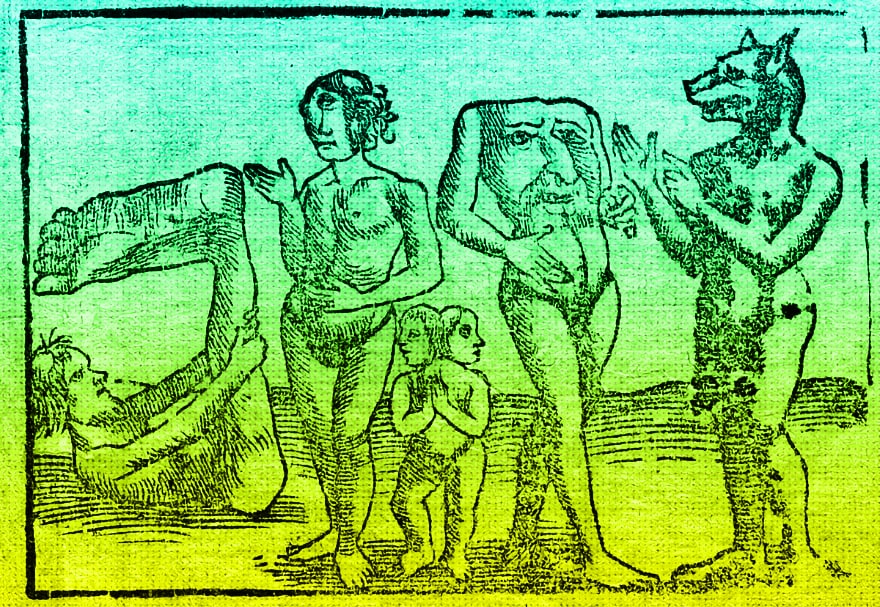
The Busy Person's Guide to Thinking
Thinking better isn't about learning more; it's about doing a few simple things that really help create unstoppable progress.
Epistemic Courage and Open-Mindedness
Epistemic courage requires me to sometimes adopt a belief even in the face of doubts. Open-mindedness requires me to be able to reconsider my beliefs. It is generally assumed that we should have bo...

Restorative Justice
The Paper Pilot's digital garden of thoughts on philosophy, politics, and sociology. Reading time: ~1 minute read | Published: Apr 13, 2025 | Updated: Oct 4, 2026

It's easy to default to inaction when the path is unclear but you have to remember that inaction is itself an action. Refusal to make a decision [now] becomes the choice you make. #noteToSelf
