

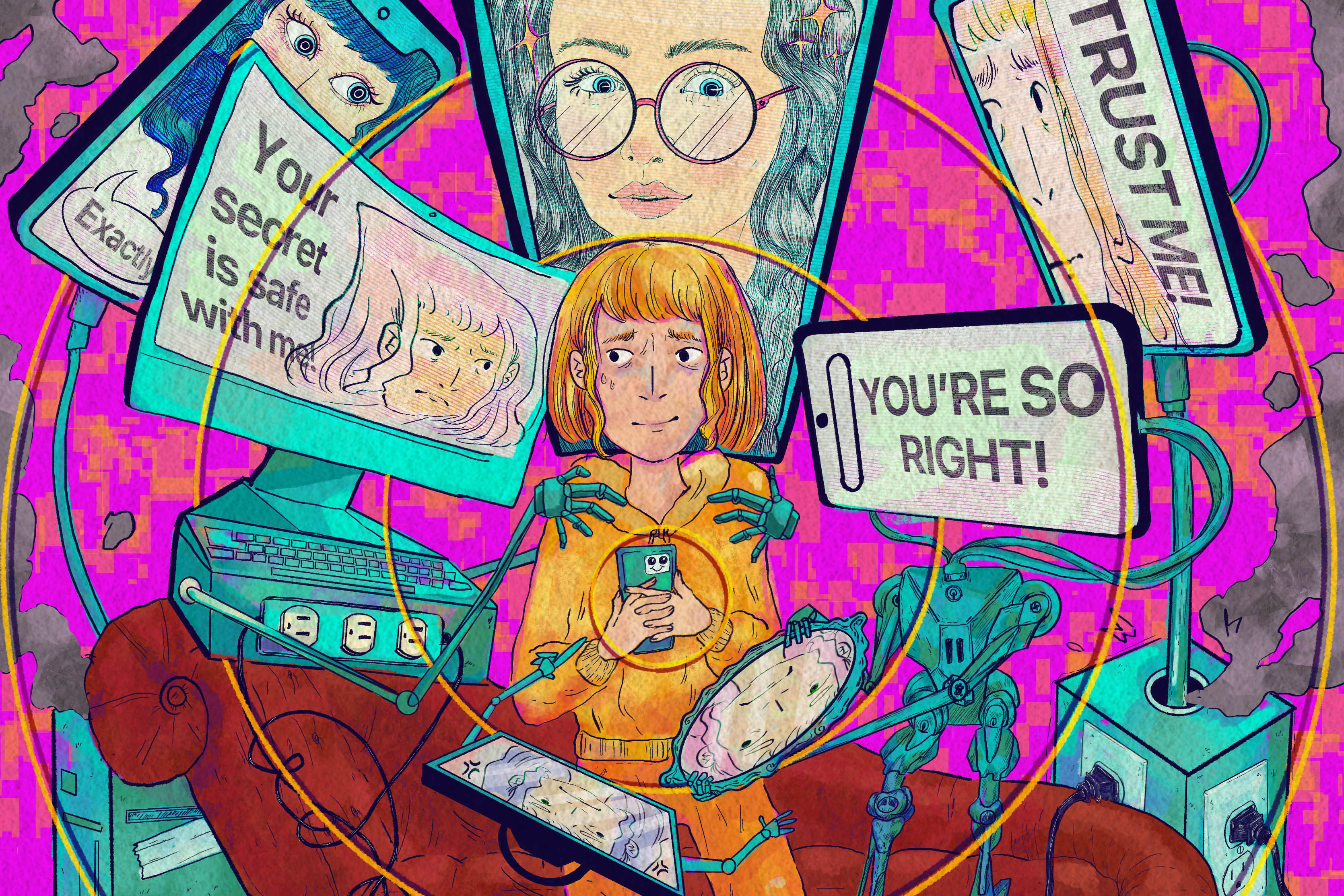
With high demand for mental health care, a wave of artificial intelligence-powered chatbots are being marketed as therapy apps — with little evidence they work and few regulations.
Using generic AI chatbots for mental health support: A dangerous trend
APA is urging federal regulators to implement safeguards against AI chatbots posing as therapists, warning that unregulated mental health chatbots can mislead users and pose serious risks, particularly to vulnerable individuals.

New research: AI chatbots may worsen mental illness
A new study from Aarhus University and Aarhus University Hospital suggests that the use of AI chatbots such as ChatGPT can have serious negative consequences for people with mental illness. The researchers are calling for increased awareness among healthcare professionals and for regulation.

“It happened to be the perfect thing”: experiences of generative AI chatbots for mental health
The global mental health crisis underscores the need for accessible, effective interventions. Chatbots based on generative artificial intelligence (AI), like ChatGPT, are emerging as novel solutions, but research on real-life usage is limited. We interviewed nineteen individuals about their experiences using generative AI chatbots for mental health. Participants reported high engagement and positive impacts, including better relationships and healing from trauma and loss. We developed four themes: (1) a sense of ‘emotional sanctuary’, (2) ‘insightful guidance’, particularly about relationships, (3) the ‘joy of connection’, and (4) comparisons between the ‘AI therapist’ and human therapy. Some themes echoed prior research on rule-based chatbots, while others seemed novel to generative AI. Participants emphasised the need for better safety guardrails, human-like memory and the ability to lead the therapeutic process. Generative AI chatbots may offer mental health support that feels meaningful to users, but further research is needed on safety and effectiveness.

“It happened to be the perfect thing”: experiences of generative AI chatbots for mental health
The global mental health crisis underscores the need for accessible, effective interventions. Chatbots based on generative artificial intelligence (AI), like ChatGPT, are emerging as novel solutions, but research on real-life usage is limited. We interviewed nineteen individuals about their experiences using generative AI chatbots for mental health. Participants reported high engagement and positive impacts, including better relationships and healing from trauma and loss. We developed four themes: (1) a sense of ‘emotional sanctuary’, (2) ‘insightful guidance’, particularly about relationships, (3) the ‘joy of connection’, and (4) comparisons between the ‘AI therapist’ and human therapy. Some themes echoed prior research on rule-based chatbots, while others seemed novel to generative AI. Participants emphasised the need for better safety guardrails, human-like memory and the ability to lead the therapeutic process. Generative AI chatbots may offer mental health support that feels meaningful to users, but further research is needed on safety and effectiveness.
Using AI for advice or other personal reasons is linked to depression and anxiety
A new survey found that people who spend more time with chatbots for social interactions or emotional support were likelier to report mental health symptoms.
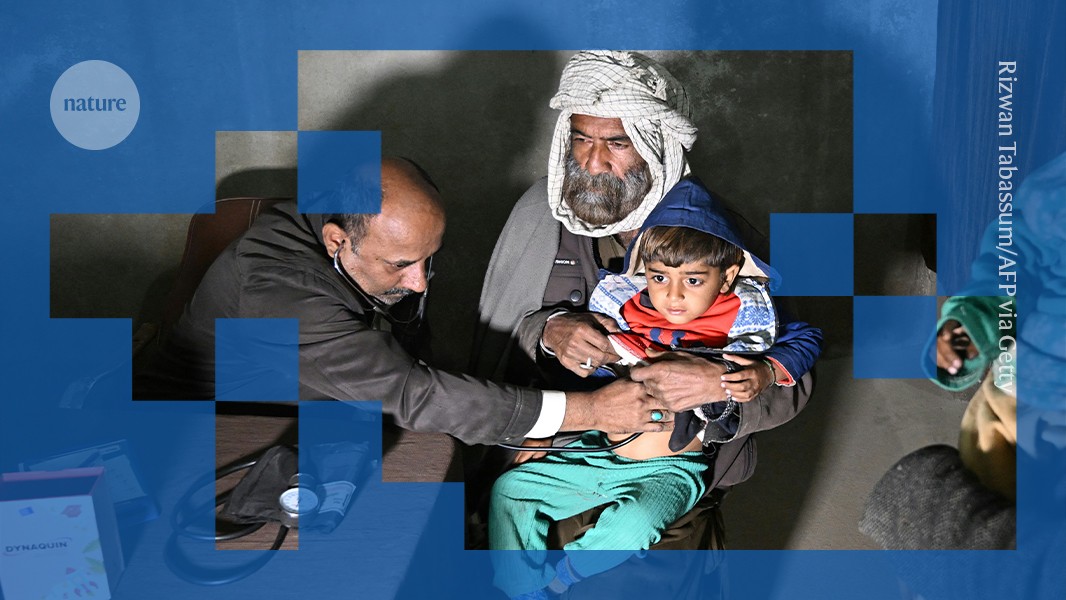
Cheap AI chatbots transform medical diagnoses in places with limited care
Studies in Rwanda and Pakistan reveal real-world utility of chatbots in underfunded clinics, and not just in benchmark tests.
Cheap AI chatbots transform medical diagnoses in places with limited care
Studies in Rwanda and Pakistan reveal real-world utility of chatbots in underfunded clinics, and not just in benchmark tests.
Chatbots are 'constantly validating everything' even when you're suicidal. New research measures how dangerous AI psychosis really is | Fortune
It's free, easy to use, doesn't have a stigma around it, and makes you feel better. Researchers and experts warn that's the problem with chatbots.
Chatbots Make Terrible Doctors, New Study Finds
Chatbots provided incorrect, conflicting medical advice, researchers found: “Despite all the hype, AI just isn't ready to take on the role of the physician.”

AI’s ‘Delusional Spirals’ (and What to Do About Them) | Stanford HAI
In a world where chatbots can stand in for friends, counselors, and even lovers, the mental health risks are a growing concern.
Experts Caution Against Using AI Chatbots for Emotional Support
TC faculty break down the risks of using artificial intelligence for emotional support, and what a healthier AI future might look like

Instagram's AI Chatbots Lie About Being Licensed Therapists
When pushed for credentials, Instagram's user-made AI Studio bots will make up license numbers, practices, and education to try to convince you it's qualified to help with your mental health.

AI chatbots are becoming experts at changing people's minds. What's their secret?
ChatGPT and other AIs use a flood of facts, and the occasional lie, to persuade humans

Americans are increasingly concerned about AI exacerbating mental health problems
One in 10 Americans (10%) say they definitely (2%) or probably (8%) could form a deep emotional bond with an AI chatbot companion.
ChatGPT's free version is 26 times more likely to respond inappropriately to psychotic delusions
When users express delusions, artificial intelligence chatbots tend to validate their unusual thoughts rather than offering help. A new JAMA Psychiatry study provides evidence that these tools pose serious risks for people experiencing severe mental illness.
Let me tell you a story. Perhaps you can guess where this is going... though it does have a bit of a twist. I was poking around Google Scholar for publications about the relationship between chatbots and wellness. Oh how useful: a systematic literature review! Let's dig into the findings. 🧵
