


Neuroimaging Researcher, University of Cambridge
Inventing the future: A neuroscience research roadmap
The past decade of transformative advances in neurotechnology portends an exciting future for neuroscience. This NeuroView charts a strategic path to accelerate and integrate research discovery and speed the development of new cures for human brain disorders.

Cog Neuro Hub OPMEG Workshop
#neuroscience #ai #python #opensource #neuroai | Jean-Rémi King
⚡ We're happy to release NeuralSet: a fast, simple, and scalable Python framework for Neuro-AI. Already supports: 🧠 fMRI, EEG, MEG, iEEG, spikes… recordings 💬 text, 🔊 audio, ▶️ video, 🏞️ image… embeddings 📦 `pip install neuralset` 💻 Code: https://lnkd.in/eamwxBUY 📄 Paper: https://lnkd.in/epbreyDy Made possible thanks to: Hubert Banville, Katie Begany, Corentin Bel, Yohann Benchetrit, Teon Brooks, Marlène Careil, Simon Dahan, Stéphane d'Ascoli, Alexandre Défossez, Linnea Evanson, PhD, Pablo J. Diego Simón, Julien Gadonneix, Sophia Houhamdi, Shubh Khanna, Jarod Lévy, Pierre Orhan, Antoine Ratouchniak, Joséphine Raugel, Andrea Elena Santos Revilla, Alexis Thual, Lucy (Mingfang) Zhang, Jérémy RAPIN #Neuroscience #AI #Python #OpenSource #NeuroAI
#neuroscience #ai #python #opensource #neuroai | Jean-Rémi King | 34 comments
⚡ We're happy to release NeuralSet: a fast, simple, and scalable Python framework for Neuro-AI. Already supports: 🧠 fMRI, EEG, MEG, iEEG, spikes… recordings 💬 text, 🔊 audio, ▶️ video, 🏞️ image… embeddings 📦 `pip install neuralset` 💻 Code: https://lnkd.in/eamwxBUY 📄 Paper: https://lnkd.in/epbreyDy Made possible thanks to: Hubert Banville, Katie Begany, Corentin Bel, Yohann Benchetrit, Teon Brooks, Marlène Careil, Simon Dahan, Stéphane d'Ascoli, Alexandre Défossez, Linnea Evanson, PhD, Pablo J. Diego Simón, Julien Gadonneix, Sophia Houhamdi, Shubh Khanna, Jarod Lévy, Pierre Orhan, Antoine Ratouchniak, Joséphine Raugel, Andrea Elena Santos Revilla, Alexis Thual, Lucy (Mingfang) Zhang, Jérémy RAPIN #Neuroscience #AI #Python #OpenSource #NeuroAI | 34 comments on LinkedIn
#neuroscience #ai #python #opensource #neuroai | Jean-Rémi King | 34 comments
⚡ We're happy to release NeuralSet: a fast, simple, and scalable Python framework for Neuro-AI. Already supports: 🧠 fMRI, EEG, MEG, iEEG, spikes… recordings 💬 text, 🔊 audio, ▶️ video, 🏞️ image… embeddings 📦 `pip install neuralset` 💻 Code: https://lnkd.in/eamwxBUY 📄 Paper: https://lnkd.in/epbreyDy Made possible thanks to: Hubert Banville, Katie Begany, Corentin Bel, Yohann Benchetrit, Teon Brooks, Marlène Careil, Simon Dahan, Stéphane d'Ascoli, Alexandre Défossez, Linnea Evanson, PhD, Pablo J. Diego Simón, Julien Gadonneix, Sophia Houhamdi, Shubh Khanna, Jarod Lévy, Pierre Orhan, Antoine Ratouchniak, Joséphine Raugel, Andrea Elena Santos Revilla, Alexis Thual, Lucy (Mingfang) Zhang, Jérémy RAPIN #Neuroscience #AI #Python #OpenSource #NeuroAI | 34 comments on LinkedIn
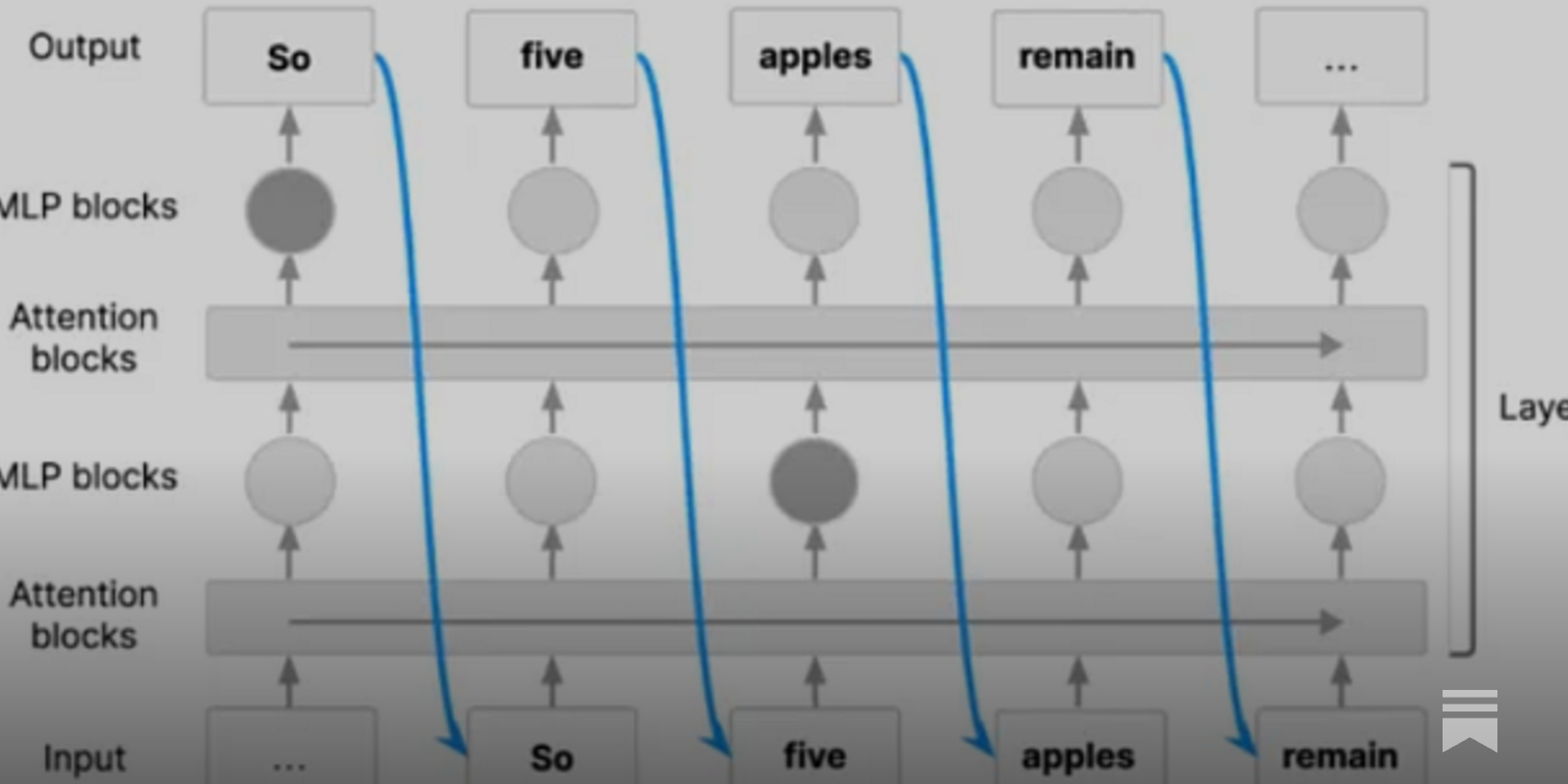
Open-source software reveals complete 3D architecture of brain cells
The neurons in our brain that underlie thought connect to each other using tiny branch-like structures on their surfaces known as dendritic spines. Now scientists at Columbia's Zuckerman Institute and ...

What the Studies Say About How AI Affects Your Brain: A (Very Big) Compilation
The entire literature clearly points to a single surprising finding
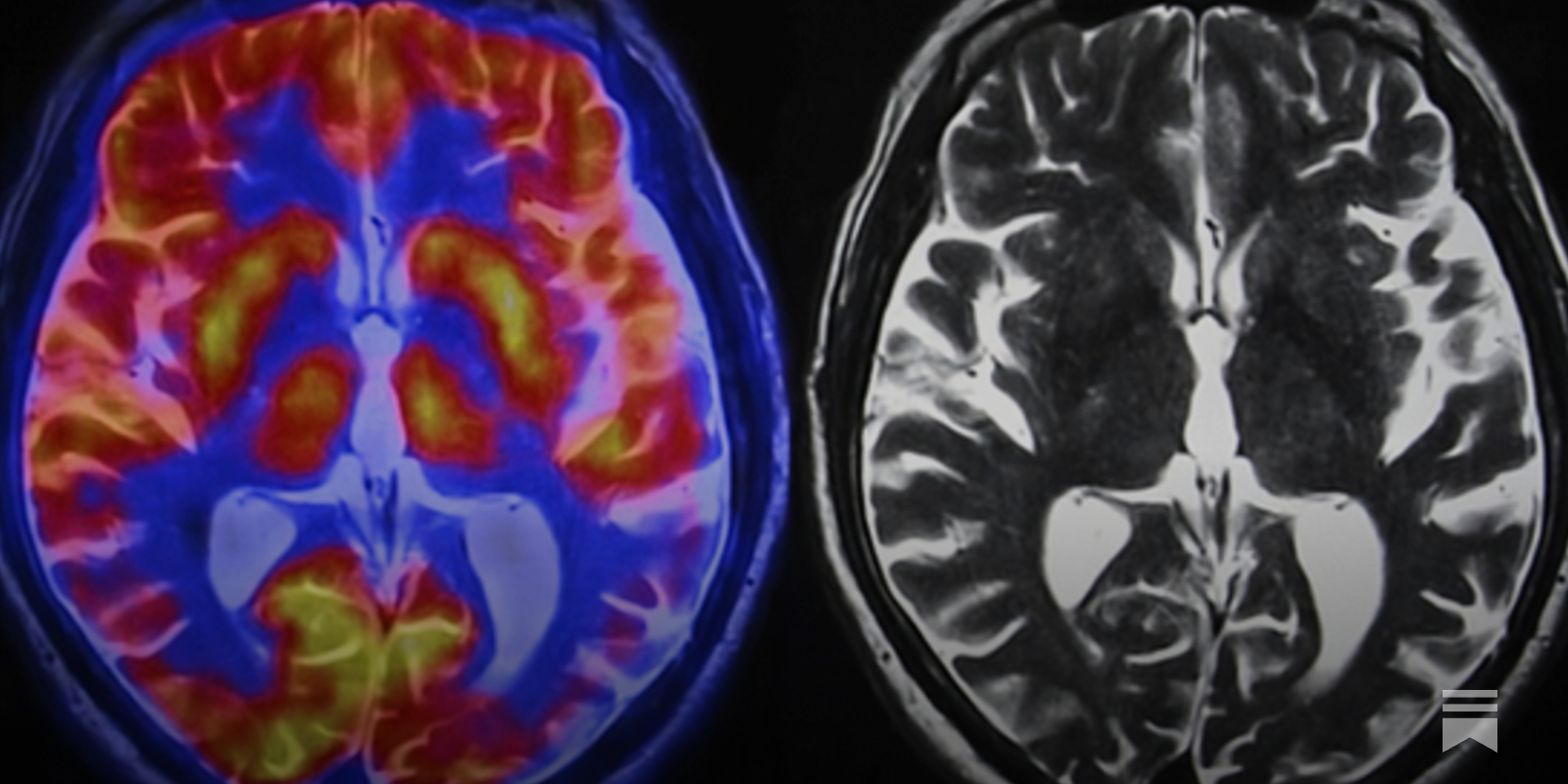
NEJM retracts case study for AI-manipulated imagery
An “Images in Clinical Medicine” item in the New England Journal of Medicine has been retracted after the authors acknowledged using AI to alter the photo. Y. Wang, X. Mu/© The New Engl…
Doris Tsao
Doris Tsao is the Chief Scientist for Neuro at Astera. Previously, she was a professor at UC Berkeley in the Neuroscience Department.

Neurodiversity | The Paper Pilot
The Paper Pilot's digital garden of thoughts on philosophy, politics, and sociology
Did Neuralink make the wrong bet?
The field of brain-computer interfaces is moving away from mind-controlled computer cursors to restoring speech.

Karavela
Using next-gen magnetic resonance, Karavela is collecting the largest dataset of the human brain's dynamics to enhance clinical trials with AI and crack brain decoding.
Foundation Model Predicts Brain Responses to Visual and Auditory Stimuli | Elisa Cascardi posted on the topic | LinkedIn
Thrilled to share this work with the world! Today, we're releasing a foundation model that predicts how the human brain responds to almost any sight or sound -- and replace the need for human scans to significantly fast-track neuroscience and clinical research. 🧠 With this model, we can simulate brain responses to advance our understanding of the brain -- without the need for costly human brain scans 🌐 By using improved understanding of how efficient our brains perceive the world around us, we can guide the development of more advanced AI systems 👩⚕️ With computer-simulated experimentation, we can now speedup clinical research to diagnose neurological diseases and find treatments faster We've open sourced the model and code for researchers to use and build on, and an interactive demo for you to learn more -- see below! 📄 Paper: https://lnkd.in/e7cbunJp 💻 Code: https://lnkd.in/ebwBVuJp ▶️ Demo: https://lnkd.in/eEUVxP4S 🤗 Model: https://lnkd.in/e2T8nPJP So thrilled to be a part of this team with Stéphane d'Ascoli Jean-Rémi King Jérémy RAPIN Yohann Benchetrit Teon Brooks Katelyn Begany Joséphine Raugel Hubert Banville and for the great teamwork with Diego Marcos Dominic Giardini bringing this research to life! #neuroscience #AI #aiforscience #opensource #neuroAI
GitHub - AIM-KannLab/BrainIAC | Giovanni Giulietti
One of the biggest hurdles in neuroimaging AI has always been the scarcity of labeled data, especially for rare conditions. But a recent study published in Nature Neuroscience introduces a potential solution: BrainIAC (Brain Imaging Adaptive Core). Unlike traditional models that are trained for one specific task, BrainIAC is a "foundation model", a large-scale AI model trained on vast amounts of data that can perform many different tasks and be adapted to specific applications. It was pretrained on a massive dataset of 48965 brain structural MRI sequences (T1w, T2w, FLAIR, T1CE) using self-supervised learning, allowing it to understand the "big picture" of brain anatomy across different ages and conditions. It has been tested across seven diverse and clinically meaningful applications: - brain age prediction - IDH mutation classification - Mild Cognitive Impairment (MCI) classification - diffuse glioma overall survival prediction - MR sequence classification - time-to-stroke prediction - tumor segmentation BrainIAC consistently outperformed traditional supervised learning approaches and other medical-specific models. The real "magic" happens in low-data scenarios. While traditional AI usually needs thousands of examples, BrainIAC can adapt to new tasks using only a few samples. BrainIAC can be used for structural brain MRI analysis through two main methods: - Web Usage (BrainIAC platform): the easiest way to use BrainIAC, providing a user-friendly interface to upload structural brain MRI data and run inference. - Local usage (GitHub repository): for more advanced and customized analysis. It allows complete control over the data preprocessing, model training, and inference pipelines. It requires Python 3.9+ and NVIDIA GPU with CUDA 11.0+. 🔗 BrainIAC paper: https://lnkd.in/dq6Gprgt 🔗 BrainIAC web platform https://lnkd.in/dpreadMp 🔗 BrainIAC GitHub repo: https://lnkd.in/duwSEg4V #MedicalAI #Neuroscience #HealthTech #BrainIAC #Radiology #Innovation #DeepLearning #PrecisionMedicine
