

[I’ve revised and condensed this short essay into an updated version, which you can read on my Substack here: https://kevinkelly.substack.com/p/better-than-free] The internet is a copy machine. At its most foundational level, it copies every action, every character, every thought we … Continue reading →
Better Than Free
[I’ve revised and condensed this short essay into an updated version, which you can read on my Substack here: https://kevinkelly.substack.com/p/better-than-free] The internet is a copy machine. At its most foundational level, it copies every action, every character, every thought we … Continue reading →
An open letter to Grammarly and other plagiarists, thieves and slop merchants
To everyone at Grammarly, I am writing a book right now, a really challenging endeavor that no doubt someone in Silicon Valley will think it’s fine to steal the day it’s published. I’ve been a professional writer for decades, even though the number of ways to make
AI code and software craft - alex wennerberg
Much has been said about audio, video and text "slop": low-quality, AI-generated content that has proliferated on the internet since the release of publicly-accessible AI models. Garbage content has always existed online, but the novelty of AI is that it has made its generation orders of magnitude less labor-intensive. For anyone who lacks a discerning eye, or is doing some task where discernment simply does not matter, AI has become a sufficient replacement for human hands.
Book publishers sue Meta over AI’s ‘word-for-word’ copying
Meta is accused of ripping copyrighted works from piracy websites.

The Surprising History of Copyright and The Promise of a Post-Copyright World – Question Copyright
(See also other available formats for the English, such as EPUB, Daisy, PDF, etc.)
Notes from my Beginner Computer Literacy Class Part 1 - Alex’s Writing Journal
Helping the uninitiated navigate this brave new digital world
My FOSS Story - Andrew Gallant's Blog
I’d like to break from my normal tradition of focusing almost strictly on technical content and share a bit of my own personal relationship with Free and Open Source Software (FOSS). While everyone is different, my hope is that sharing my perspective will help build understanding, empathy and trust.
The Unbelievable Scale of AI’s Pirated-Books Problem
Meta pirated millions of books to train its AI. Search through them here.
The website that created an AI clone of its editor in chief
Every CEO Dan Shipper on doubling headcount while automating everything, building an agent out of 30,000 copyedits, and the “dirty secret” of writing with AI

RSL: Really Simple Licensing
The open content licensing standard for the AI-first Internet
AI and the Destruction of the Creative Commons
The balance of software copyright protection and openness has always been fraught with minutiae and detail that bores all but the most nerdy of pedants. Yet, through much effort and 40 years of debate we had reached an equilibrium. Now AI has thrown that out the window.
Writing copy for landing pages
Write copy that delights visitors, persuades prospects, and wins customers.

AI*-generated copyright infringement

* I’m neither “pro-AI” nor “anti-AI.” I’ve been blocked for being perceived as both. —Actually, I’m honestly more anti-AI than pro-AI thus far, aside from specialized models and specific use cases, but I’m willing to consider information that’s new to me
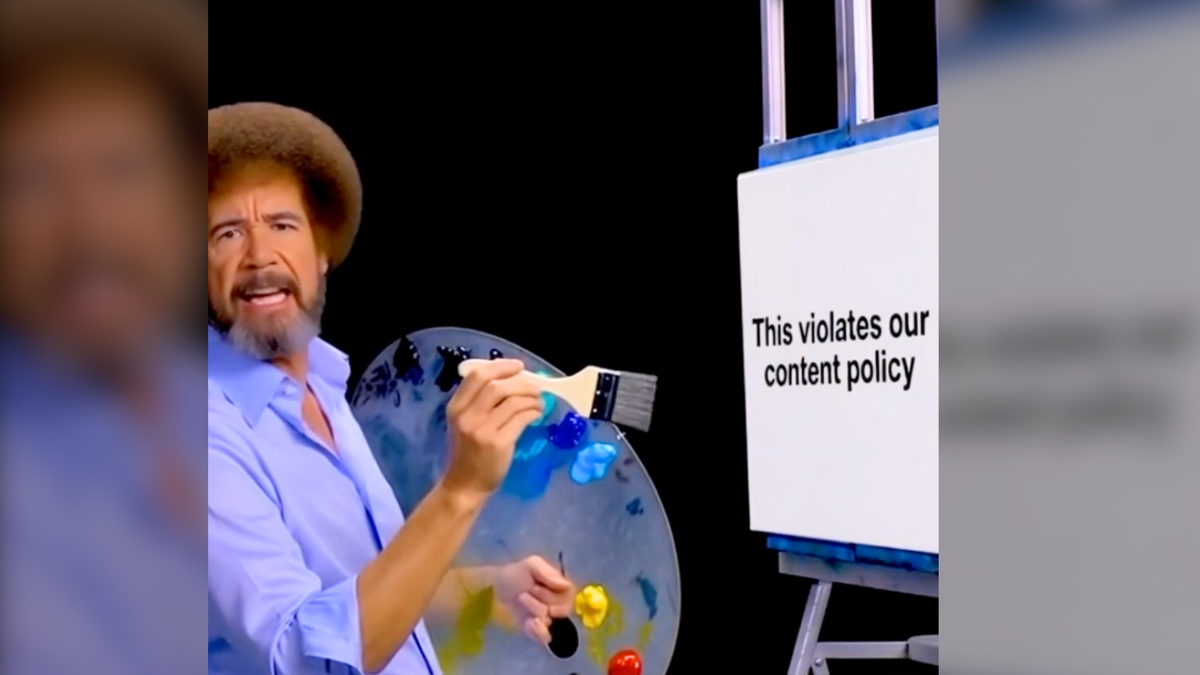
People Are Crashing Out Over Sora 2’s New Guardrails
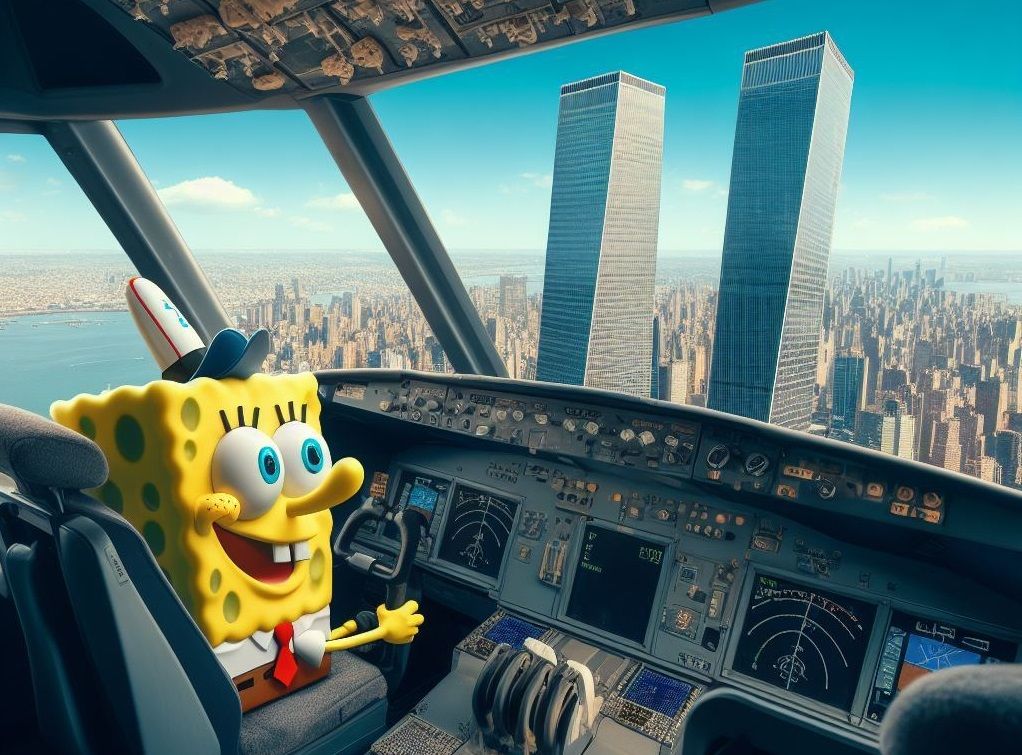
Bing Is Generating Images of SpongeBob Doing 9/11
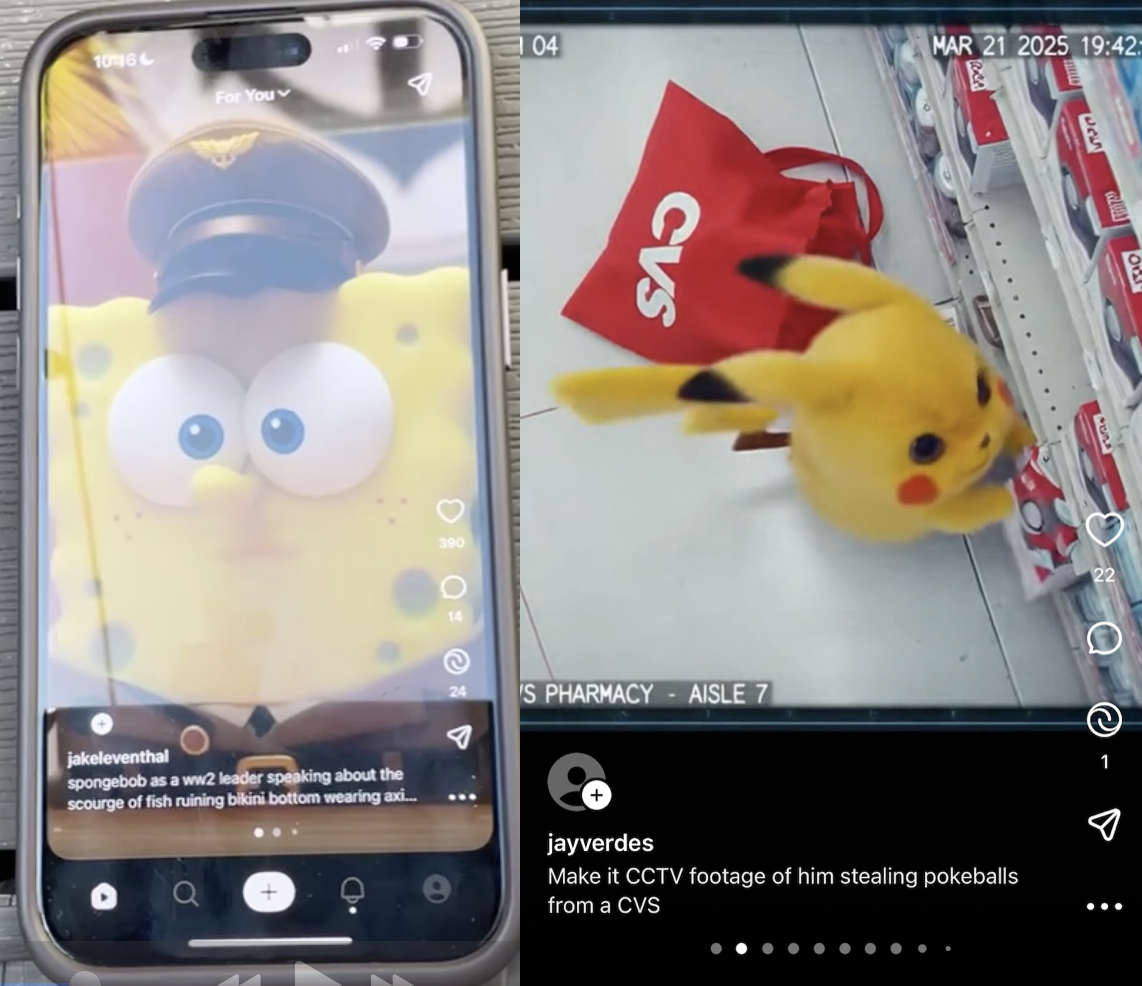
OpenAI’s Sora 2 Copyright Infringement Machine Features Nazi SpongeBobs and Criminal Pikachus
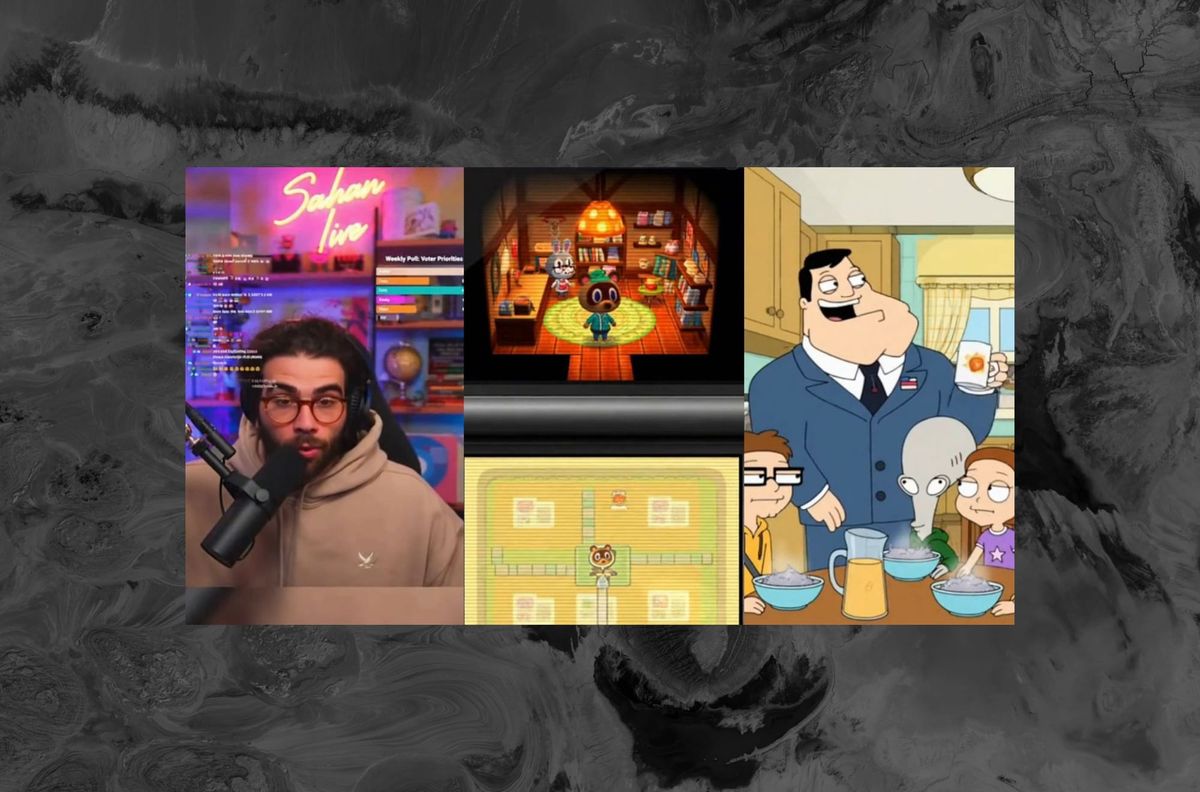
OpenAI Can’t Fix Sora’s Copyright Infringement Problem Because It Was Built With Stolen Content