


In the early 1960s, Richard Feynman gave a series of undergraduate lectures that were collected into a book called the Feynman Lectures on Physics. Absent from
Famed Physicist Richard Feynman Was Known as an Odd Genius. Was He Also an Abuser?
He was my hero as an undergrad studying science.
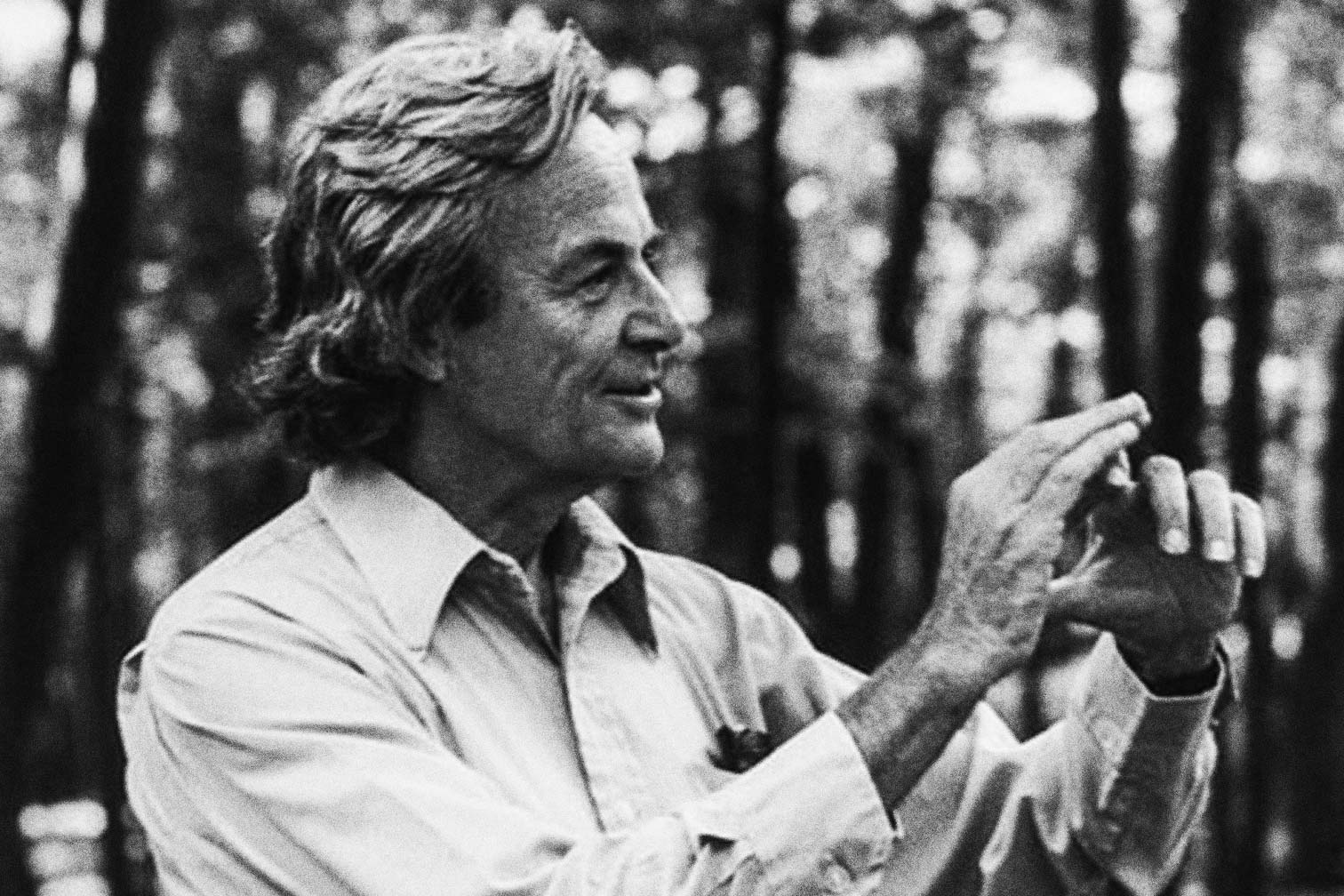
Noam Chomsky - "The machine, the ghost, and the limits of understanding"

Index — The Clowder Project
a collection of personal notes on mathematics and physics
Demystifying the second law of thermodynamics
Thermodynamics is really weird. Most people have probably encountered a bad explanation of the basics at some point in school, but probably don't remember more than
Paul Feyerabend
Paul Feyerabend (b.1924, d.1994), having studied science at theUniversity of Vienna, moved into philosophy for his doctoral thesis,made a name for himself both as an expositor and (later) as a critic ofKarl Popper's “critical rationalism”, and went on to becomeone of the twentieth century's most famous philosophers of science. Animaginative maverick, he became a critic of philosophy of scienceitself, particularly of “rationalist” attempts to lay downor discover rules of scientific method.
Everything I Know
Everything I Know During the last two weeks of January 1975 Buckminster Fuller gave an extraordinary series of lectures concerning his entire life’s work. Jump to Sections Introduction These …

Unlocking Scientific Concepts: How Effective Are LLM-Generated Analogies for Student Understanding and Classroom Practice?
Teaching scientific concepts is essential but challenging, and analogies help students connect new concepts to familiar ideas. Advancements in large language models (LLMs) enable generating analogies, yet their effectiveness in education remains underexplored. In this paper, we first conducted a two-stage study involving high school students and teachers to assess the effectiveness of LLM-generated analogies in biology and physics through a controlled in-class test and a classroom field study. Test results suggested that LLM-generated analogies could enhance student understanding particularly in biology, but require teachers’ guidance to prevent over-reliance and overconfidence. Classroom experiments suggested that teachers could refine LLM-generated analogies to their satisfaction and inspire new analogies from generated ones, encouraged by positive classroom feedback and homework performance boosts. Based on findings, we developed and evaluated a practical system to help teachers generate and refine teaching analogies. We discussed future directions for developing and evaluating LLM-supported teaching and learning by analogy.

Newton's "Absurdity"
A look at the history of scientific progress through an often unused perspective: the people that actually lived it.
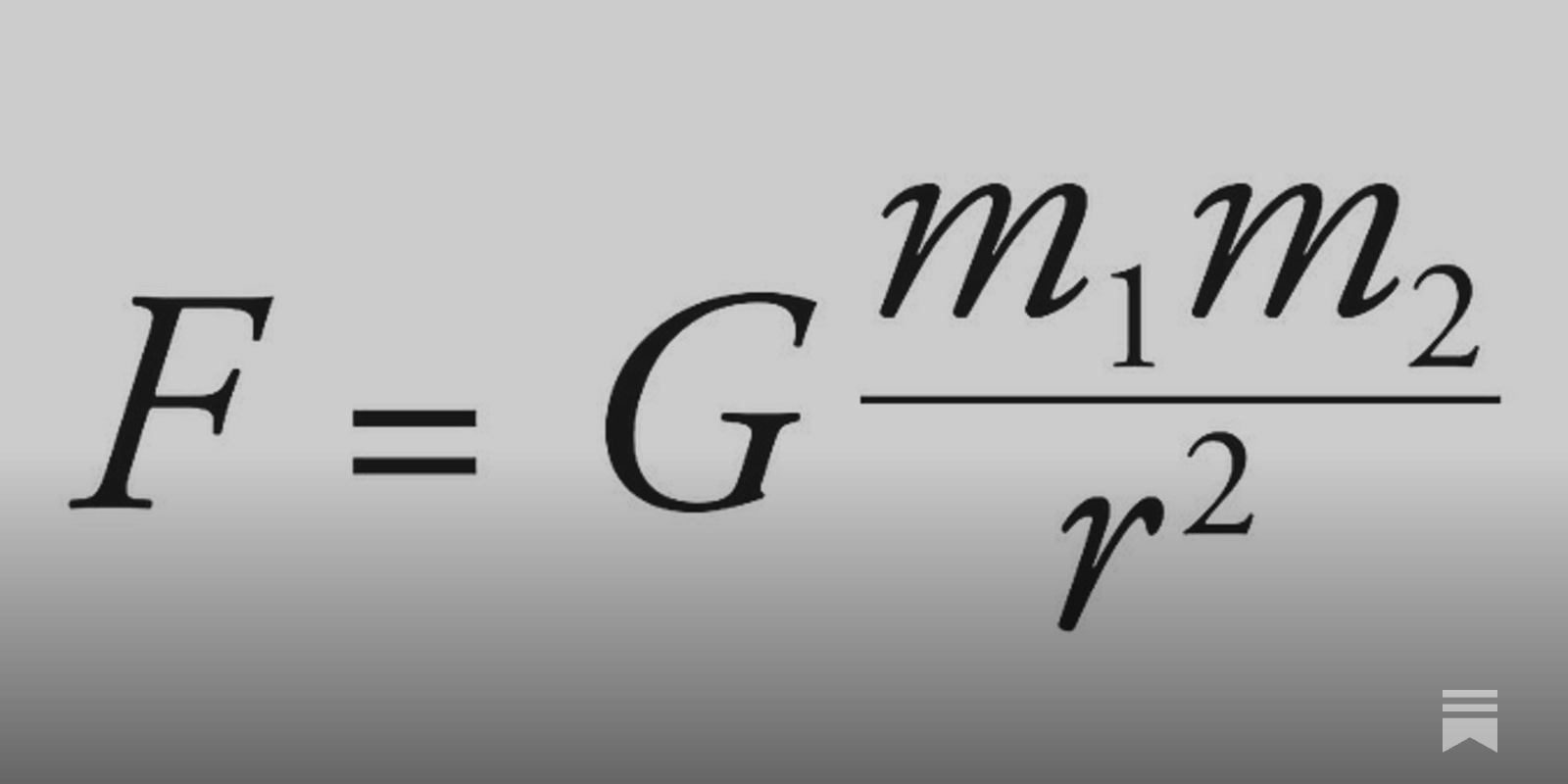
Studying with Dwarkesh Patel - "Introduction to Quantum Mechanics" by Griffiths
All you need is links
When Tim Berners Lee talks about how he designed the web, he uses an analogy from physics, describing his process as a quest to find “fundamental laws” which can generate a desired system:
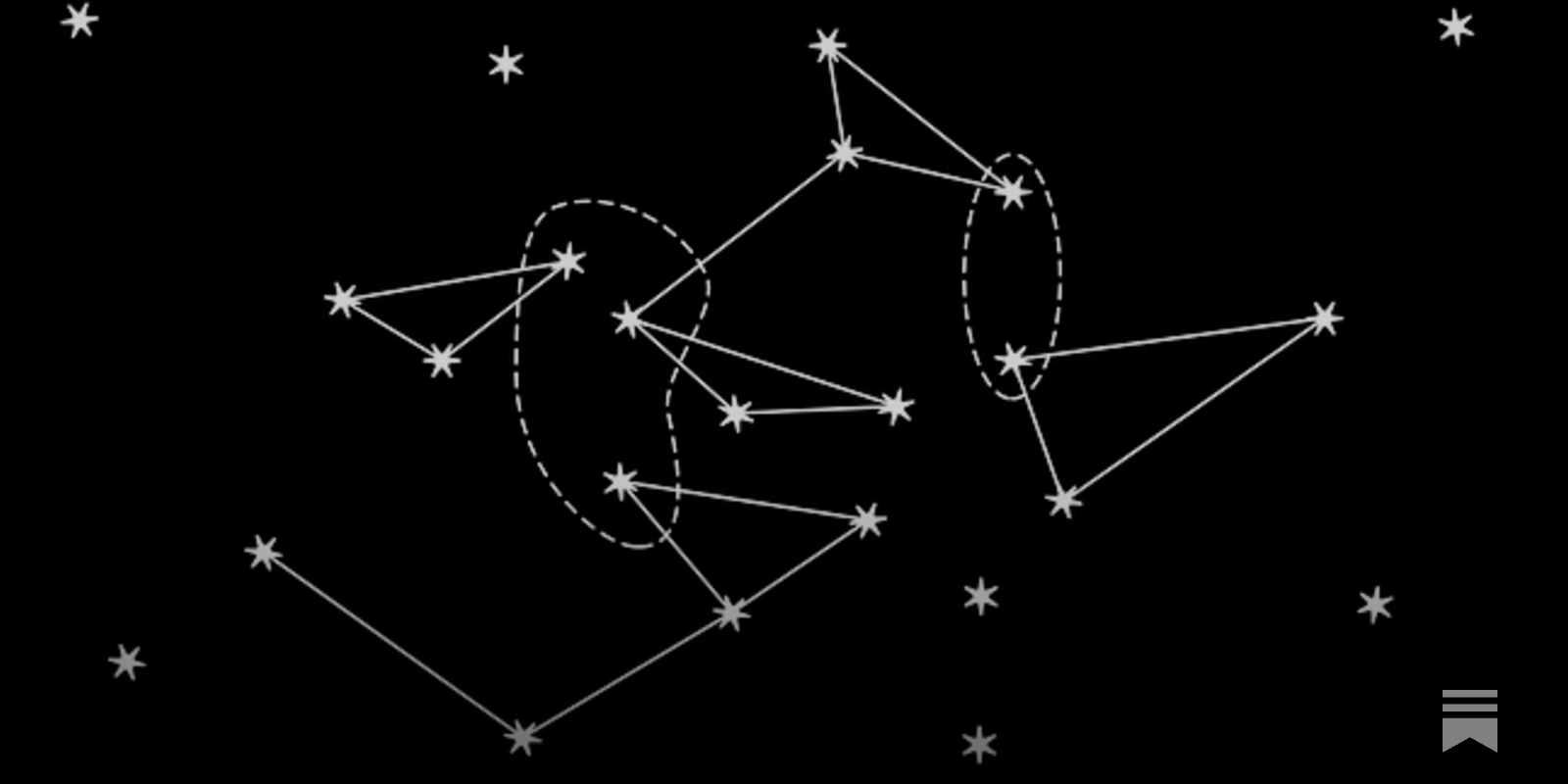
All you need is links
When Tim Berners Lee talks about how he designed the web, he uses an analogy from physics, describing his process as a quest to find “fundamental laws” which can generate a desired system:
All you need is links
When Tim Berners Lee talks about how he designed the web, he uses an analogy from physics, describing his process as a quest to find “fundamental laws” which can generate a desired system:
All you need is links
When Tim Berners Lee talks about how he designed the web, he uses an analogy from physics, describing his process as a quest to find “fundamental laws” which can generate a desired system:
Have you seen Carl Wieman work - amazon.com/dp/9815352199 (presentation here covers the key points - bpb-us-e1.wpmucdn.com/blogs.cornell.edu/dist/d/1022…)

How to Learn to Think like a Skilled Engineer or Scientist and How to Teach It
www.amazon.com