


🏠🏠🏠🌲🌲🌲🏠🌲🌲🏠🌲🌲🏠🌲🏠🌲❌🏠🌲🌲🌲
Vulkan Ray Tracing Tutorial KHR
A comprehensive tutorial for learning Vulkan ray tracing with practical examples.
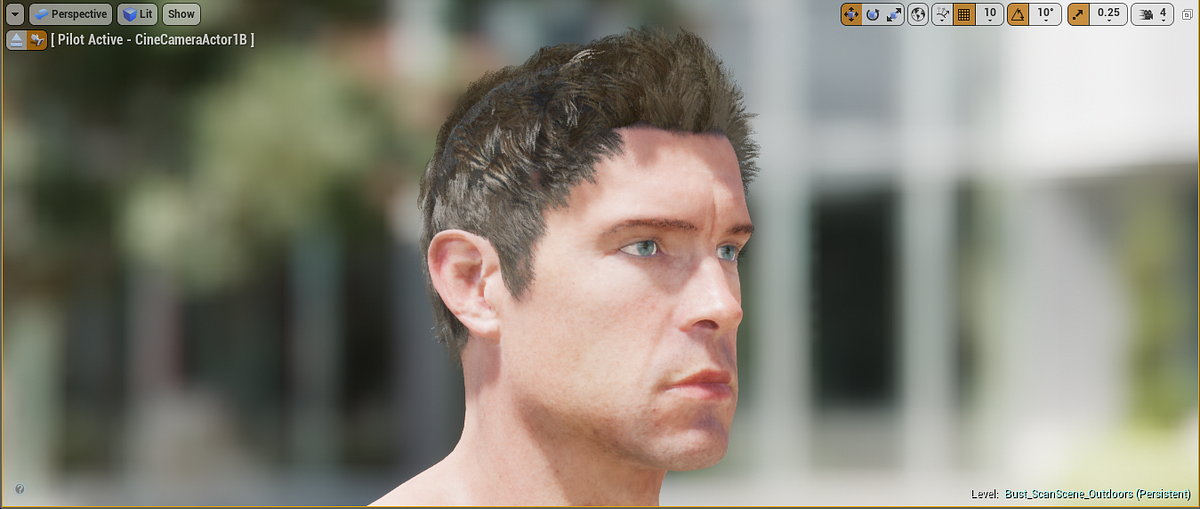

Mesh Outlines Without Post-Processing in Unreal Engine
Some time ago I saw a neat solution by Cory Spooner on outlining meshes using particle sprites. The concept has been done before – but it’s interesting enough to cover it regardless for Unreal Engine...

Thousands of Styled Rectangles in 120FPS on GPU
Secrets of rendering extremely fast UIs in WebGPU by minimizing overhead on the GPU.

Hash Functions for GPU Rendering – Nathan Reed’s coding blog
Pixels and polygons and shaders, oh my!
On Rendering Diffs
A technical deep dive into how we built the @pierre/diffs package and CodeView component for zero-blanking diff rendering at any scale.
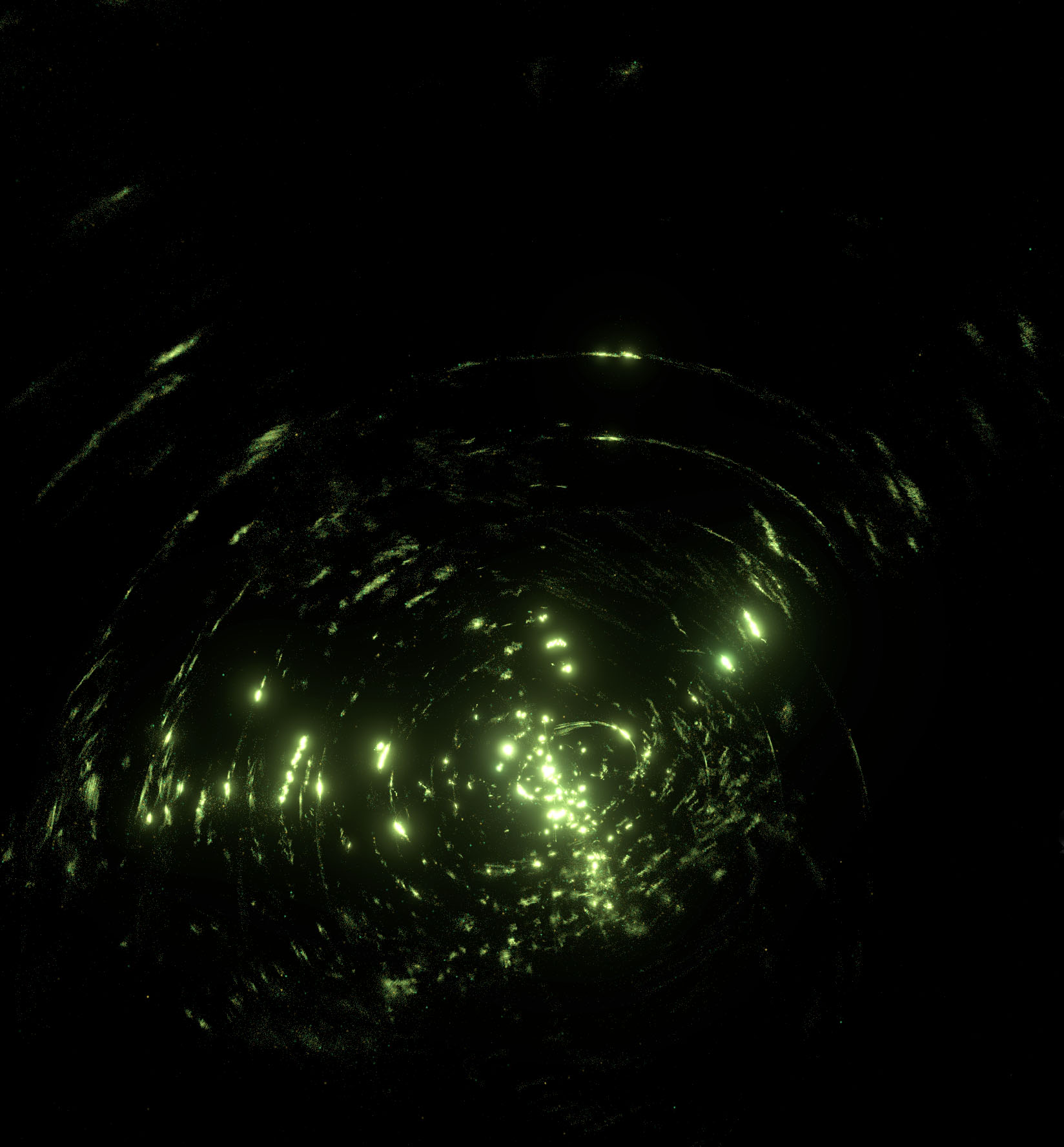
Evaluating and Sampling Glinty NDFs in Constant Time
Geometric features between the micro and macro scales produce an expressive family of visual effects grouped under the term 'glints'. Efficiently rendering these effects amounts to finding the highlights caused by the geometry under each pixel. To allow for fast rendering, we represent our faceted geometry as a 4D point process on an implicit multiscale grid, designed to efficiently find the facets most likely to cause a highlight. The facets' normals are generated to match a given micro-facet normal distribution such as Trowbridge-Reitz (GGX) or Beckmann, to which our model converges under increasing surface area. Our method is simple to implement, memory-and-precomputation-free, allows for importance sampling and covers a wide range of different appearances such as anisotropic as well as individually colored particles. We provide a base implementation as a standalone fragment shader.
Visualizing GL_NV_shader_sm_builtins
Using GL_NV_shader_sm_builtins to visualize Streaming Multiprocessors and Warps
Rendering Particles with Compute Shaders
Overview I developed a technique to render single-pixel particles (using additive blending) with compute shaders rather than the usual fixed-function rasterization with vertex and fragment shaders. My approach runs 31–350% faster than rasterization on the cases I tested and is particularly faster for some “pathological” cases (which for my application are not actually that uncommon). I observed these speedups on both NVIDIA and AMD GPUs. Using this technique allowed me to ship an app that runs on minimum-spec hardware without sacrificing visual fidelity.
Foamboard Buildings & Ruins - Painting with Stippling
Adventures in Neural Rendering
In recent years, neural networks have started to find their way into many areas of rendering. While antialiasing and upscaling are probably the most well‑known uses, they’re far from the only ones—…

Inlay Renderer
An independent implementation of the Inlay SDUI rendering engine, deployed on Cloudflare Workers.