

Devlogs and tutorials about GPGPU and graphics programming
Hash Functions for GPU Rendering – Nathan Reed’s coding blog
Pixels and polygons and shaders, oh my!
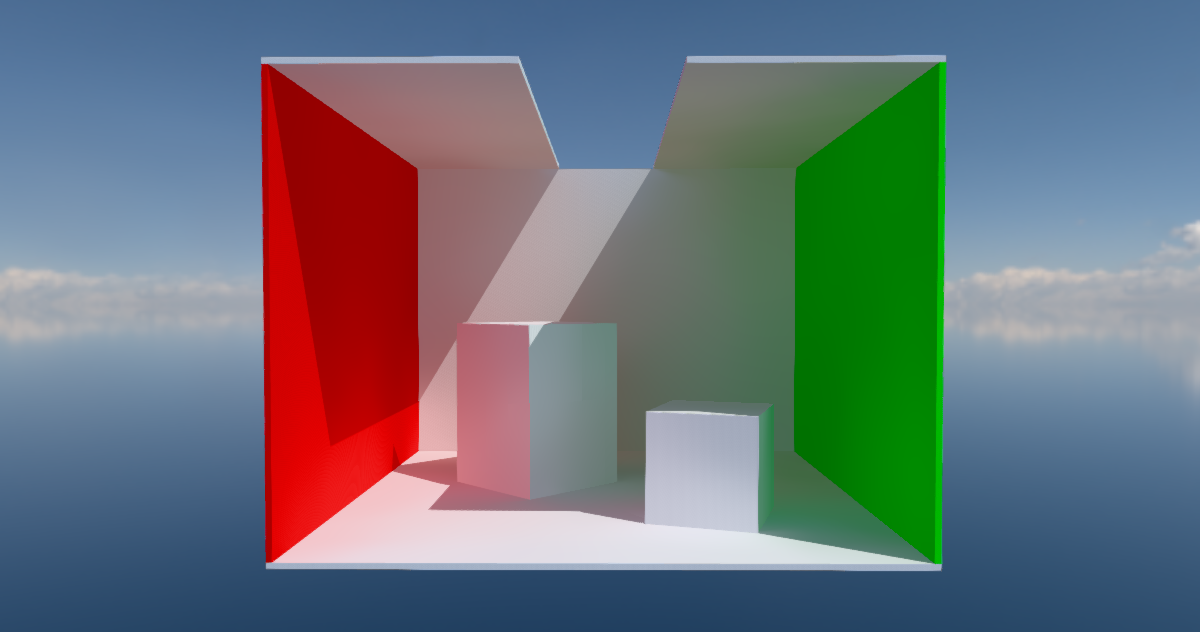
Surfel-based global illumination on the web
Can we use WebGPU to compute real-time global illumination with surface patches called surfels? Does it look good enough? Is it fast enough? And can we finally construct viable compute-heavy rendering pipelines right here on the open web? Join me on this journey and let's find out!
Project Shadowglass
A stealth-focused immersive sim set within a dark fantasy kingdom. Plan daring heists, infiltrate forbidden locales, and escape with priceless artifacts. Features revolutionary 3D pixel art graphics and lasting consequences where every action could leave a trail back to you.
RightNow AI - YC-Backed GPU Research Lab
YC-backed GPU research lab building the RightNow CUDA editor, RunInfra inference infra, Forge kernels, and publishing AutoMegaKernel and related papers on arXiv.

Vulkan Ray Tracing Tutorial KHR
A comprehensive tutorial for learning Vulkan ray tracing with practical examples.
TypeGPU – Type-safe WebGPU toolkit
Discover how it can change the way you work with GPU rendering and computing.
Making Worlds: Introduction
In this multi-part series I try to make a procedural planet generator that runs on the GPU.

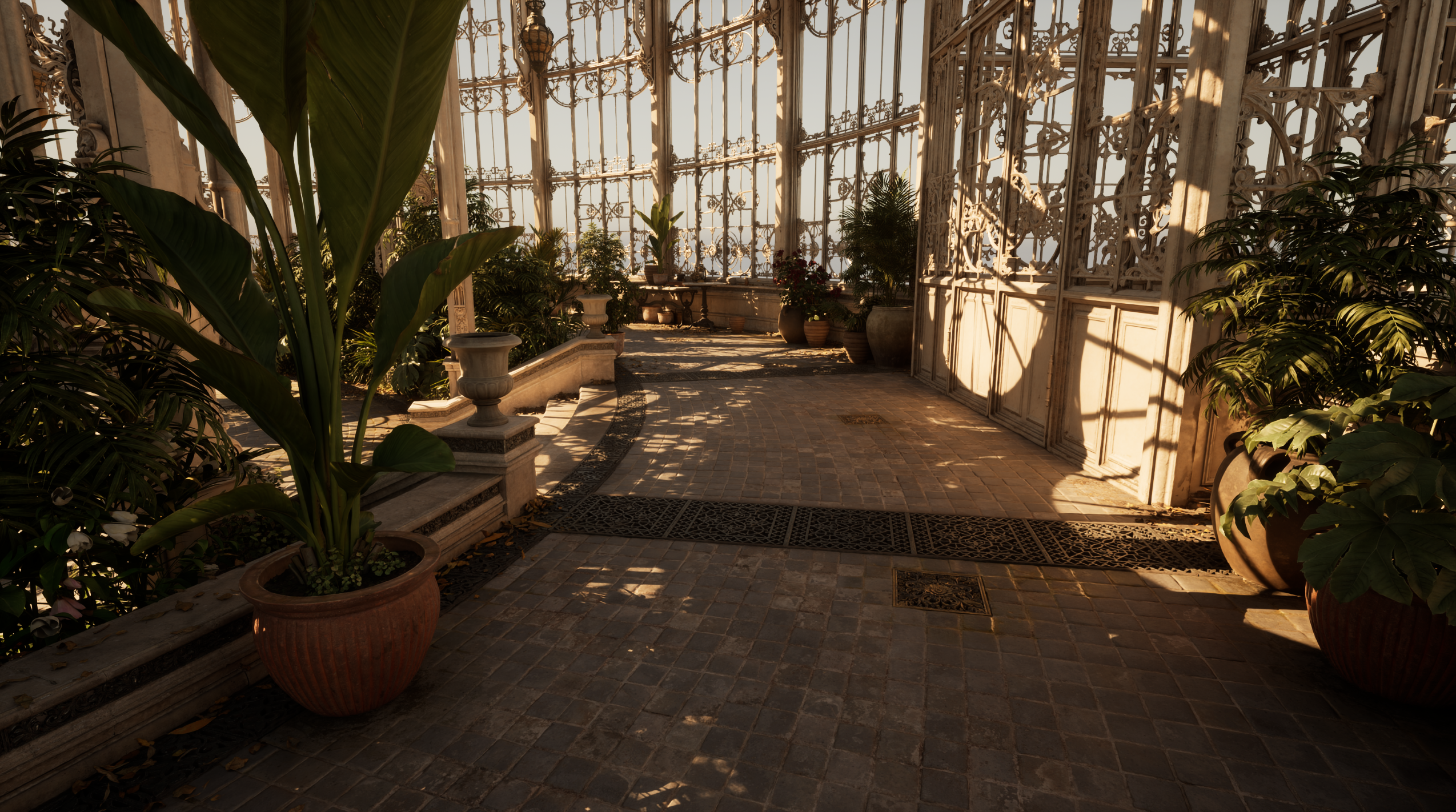
Understanding The Math Behind ReSTIR GI
Recently, I had the pleasure of contributing to Nvidia’s Zorah project, the flagship demo for the RTX 50 Series GPUs. My primary role was to provide technical support for light transport in Zorah, which included collaborating with my colleague Daqi Lin to implement a brand new ReSTIR-based global illumination solution, specifically, ReSTIR PT[1], within the NvRTX branch of Unreal Engine. A GDC presentation video on Zorah was released a few weeks ago.
Visualizing GL_NV_shader_sm_builtins
Using GL_NV_shader_sm_builtins to visualize Streaming Multiprocessors and Warps
VectorWare
We are building the first GPU-native software company, making GPU software feel ordinary.
Shadowing
Shadowing is a qualitative user research method in which a researcher observes participants in real‑life contexts over an extended period without interfering. It is used to gain deep contextual insights into behaviors, workflows, environments, emotions, and workarounds.

Thousands of Styled Rectangles in 120FPS on GPU
Secrets of rendering extremely fast UIs in WebGPU by minimizing overhead on the GPU.

lisyarus/webgpu-shallow-water
GPU shallow water solver using the virtual pipes model using WebGPU
Rendering Particles with Compute Shaders
Overview I developed a technique to render single-pixel particles (using additive blending) with compute shaders rather than the usual fixed-function rasterization with vertex and fragment shaders. My approach runs 31–350% faster than rasterization on the cases I tested and is particularly faster for some “pathological” cases (which for my application are not actually that uncommon). I observed these speedups on both NVIDIA and AMD GPUs. Using this technique allowed me to ship an app that runs on minimum-spec hardware without sacrificing visual fidelity.
Alex Tardif: Graphics Programmer