


Explore, experiment, and create what's next in play.
Introducing XBOX LABS
This message was just sent to Team XBOX employees globally. Team, The first video games emerged some 75 years ago. In the time since, there have been booms and busts, but every year there are more great games to play, more devices to play them, and best of all, more people than ever playing. That […]

smol quest
The ultimate gaming app! Track your progress across Xbox, Playstation, Steam, and RetroAchievements.

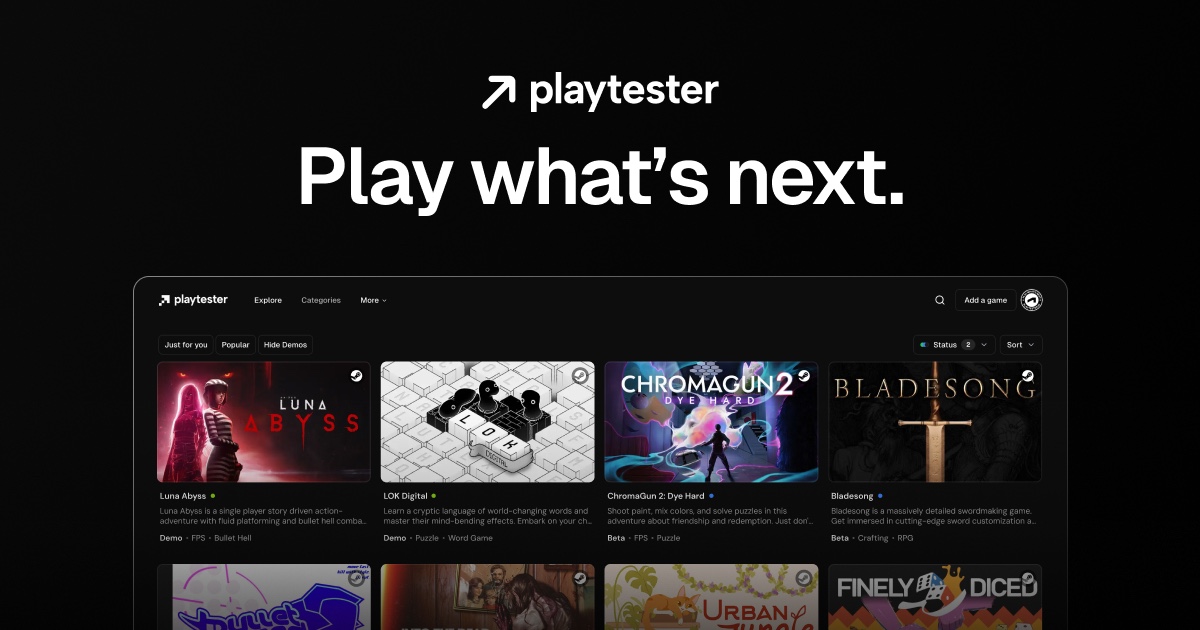
Playtester: Alphas, Betas & Demos for Upcoming Games
Discover alphas, betas, playtests, and demos for upcoming indie and mainstream games across Steam, PlayStation, Xbox, itch.io, and more.
Supersonic Labs (@supersonicai) on X
We're an AI research lab building fast, local, and accessible AI. Our mission is to make capable AI run on the hardware people already own.

labs · luna
80+ small interactive labs — atproto tools, dev utilities, data explorers on uk open-gov / twitch / mastodon firehoses, media converters, and games.
Discovery Loop — Continuous Exploration
Discovery Loop is building AI systems that automate the experimental loops of science and engineering. Continuous Exploration.
Agentic Laboratories of the Future: Towards World Models for Scientific Discovery
Scientific discovery is fundamentally a problem-solving process involving distributed intelligence. Human intuition, computational reasoning, and experimental execution are distributed across people, instruments, and software systems, limiting the speed and scale of discovery. Although automation, high-throughput experimentation, foundation models, and cloud infrastructure have accelerated individual stages of the scientific workflow, they have not unified the discovery process. We hypothesize that the next generation of laboratories will be agentic: environments in which scientists, AI systems, and robotic platforms operate as collaborative discovery partners, with humans contributing the parts of discovery that remain hardest to make explicit: asking the right questions and holding provisional mechanistic models of how a system works. The key missing layer is an agentic harnessing layer that continuously integrates hypothesis, literature-derived evidence, experimental data, uncertainty, and experimental state into a shared “laboratory world model”—a dynamic representation of the scientific system and its evolving context. By maintaining and updating this lab world model, the agentic harnessing layer enables coordinated decision-making, adaptive planning, and increasingly autonomous scientific workflows across humans and machines. A central challenge is that much of the scientific research process remains inaccessible to machines, including tacit knowledge, human observations, adaptive decision-making, and evolving experimental context. Advances in multimodal AI and immersive interfaces may help bridge this gap, allowing humans, agents, and robotic systems to collaborate seamlessly in scientific discovery rather than simply automating isolated tasks. Agentic laboratories could provide a new architecture for science, integrating human, artificial, and physical intelligence into a unified discovery system.

The Science Playground – a list of interesting links
Links to science games, simulations, and collections. Have fun!If any links are broken, let me know.
Dispatch
An occasional update on the lab’s latest findings, appearances, and happenings.

Protocol Labs
Protocol Labs is an innovation network driving breakthroughs in computing to push humanity forward.
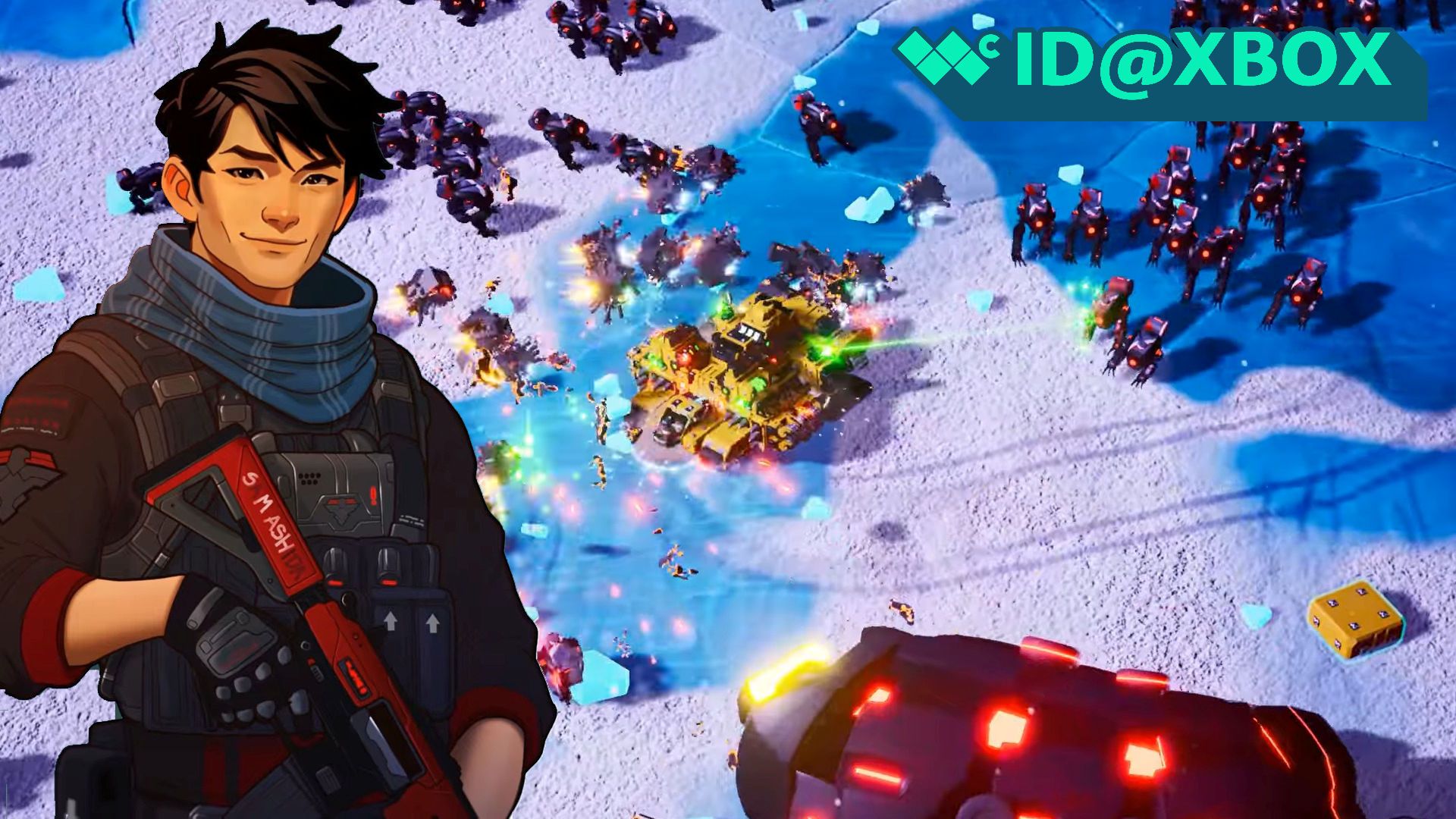
"The most addictive Xbox game right now": Build your own unstoppable tank Lego-style in this moreish bullet heaven — right now on Xbox Game Pass
Collect blocks to snap together your own modular tank equipped with lasers, railguns, and battering rams to clear out hordes of AI bots.
On Taste, Effort & Curiosity - again
When AI collapses how long it takes to ship, what’s left is judgment, experimentation, and knowing what not to build.
Midjourney
An independent research lab exploring new mediums of thought and expanding the imaginative powers of the human species.

Now that Google's artificial brain is conquering Go, this classic computer game from 1998 could be next
Google DeepMind's next challenge could be 1998's "StarCraft."