

One of my biggest weaknesses as a software engineer is procrastination when facing a new project. When the scope is unclear, I have a tendency to wait until I feel I’ve “felt out” the problem to start …
Good and Bad Procrastination
How to Beat Procrastination
Part 2. Where does a procrastinator go wrong and how can you actually improve your procrastination habits?
Project Xanadu: Even More Hindsight
Retrospective on Project Xanadu’s success and failure: a lack of design iteration, meaningful use-cases, or practicality stopped a valuable vision from maturing into something useful. (And contrasted with my approach.)

Laziness Does Not Exist
Psychological research is clear: when people procrastinate, there's usually a good reason

How to stop procrastinating by using the Fogg Behavior Model - Part 2.
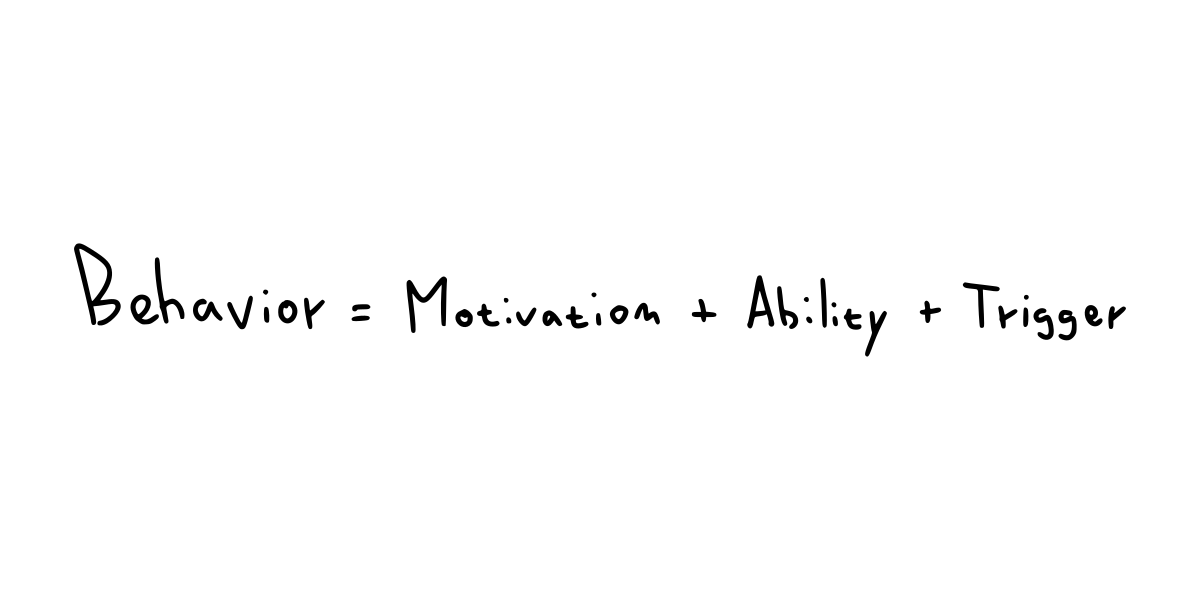
In the previous post we covered the B J Fogg model of behavior: Behavior = Motivation * Ability * Prompt
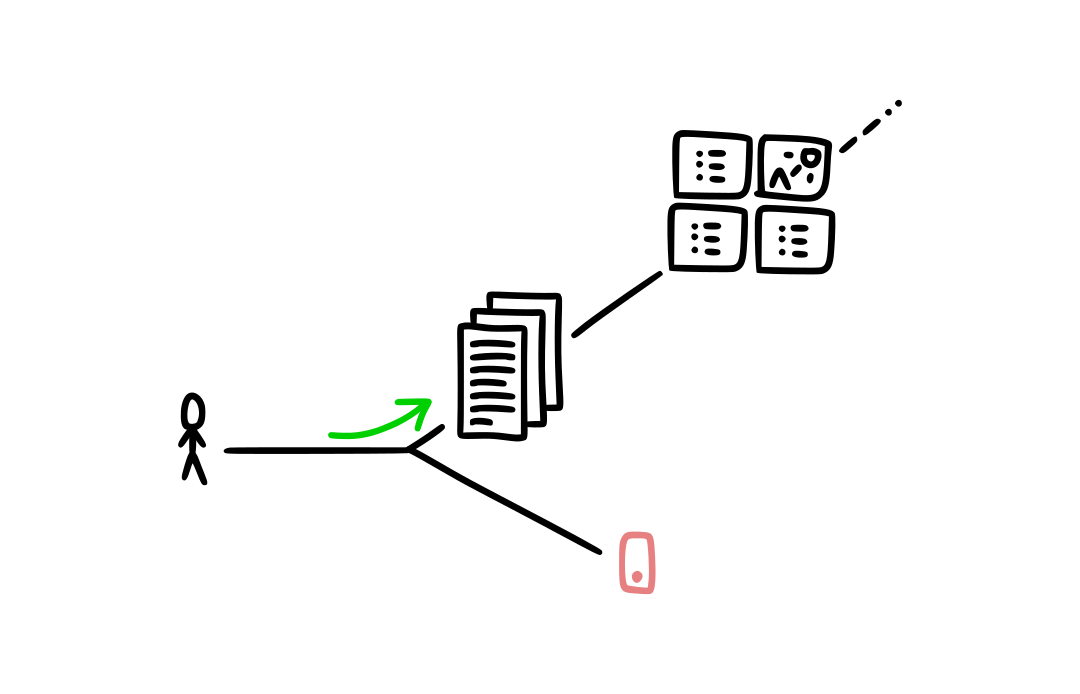
The Akrasia Effect: Why We Don’t Follow Through on What We Set Out to Do and What to Do About It
Plus, 3 strategies to help you start beating procrastination now.

Why You Procrastinate (It Has Nothing to Do With Self-Control) (Published 2019)
If procrastination isn’t about laziness, then what is it about?

How to Get Things Done When You Don’t Feel Like It: Five strategies for pushing through: Queue: Vol 16, No 4
If you want to be successful, then it serves you better to rise to the occasion no matter what. That means learning how to push through challenges and deliver valuable results.

Why I Procrastinate
A look into me, my awful procrastination habit, and how I fixed it. (spoiler alert: it was ADHD)
How to stop procrastinating by using the Fogg Behavior Model
B J Fogg is a Stanford professor who came up with a simple model of behavior that helps us understand why we take action or not take action at any given moment.
Designing for failure
Nobody starts a free-software project hoping that it will fail, so it is a rare project indeed [...]
Every productivity thought I've ever had, as concisely as possible - …
I combed through several years of my private notes and through everything I published on productivity before and tried to summarize all of it in this post. If you’re unproductive right now Here’s what you should do if you’ve been procrastinating for an entire day: Accept that you won’t do anything today and try not to get angry at yourself Set the alarm for the time you will be preparing to go to bed today No, really. Do it. It will take 20 seconds Procrastinate for the …
Software Bonkers
I’m software bonkers: I can’t stop thinking about software. And I can’t stop building software.
Don't Get Distracted
I’m going to tell you about how I took a job building software to kill people. But don’t get distracted by that; I didn’t know at the time.

It's getting harder to focus every day
I’m feeling it right now. I had to set a timer for 15 minute on my computer and block all distractions to write this. If I didn’t force myself to focus I would easily get distracted by something after few minutes. Even when I’m doing things that I’ve been waiting to do it, I still feel the urge to do something else. I don’t know how and when this happened. During the last few years I was always studying, working, and doing open source. And actually got stuff done. Doing all of those at the same time requires paying attention to what I wanted to do and ignore the noise.
Why Procrastinators Procrastinate
The full story about why procrastinators routinely ruin their own lives.
