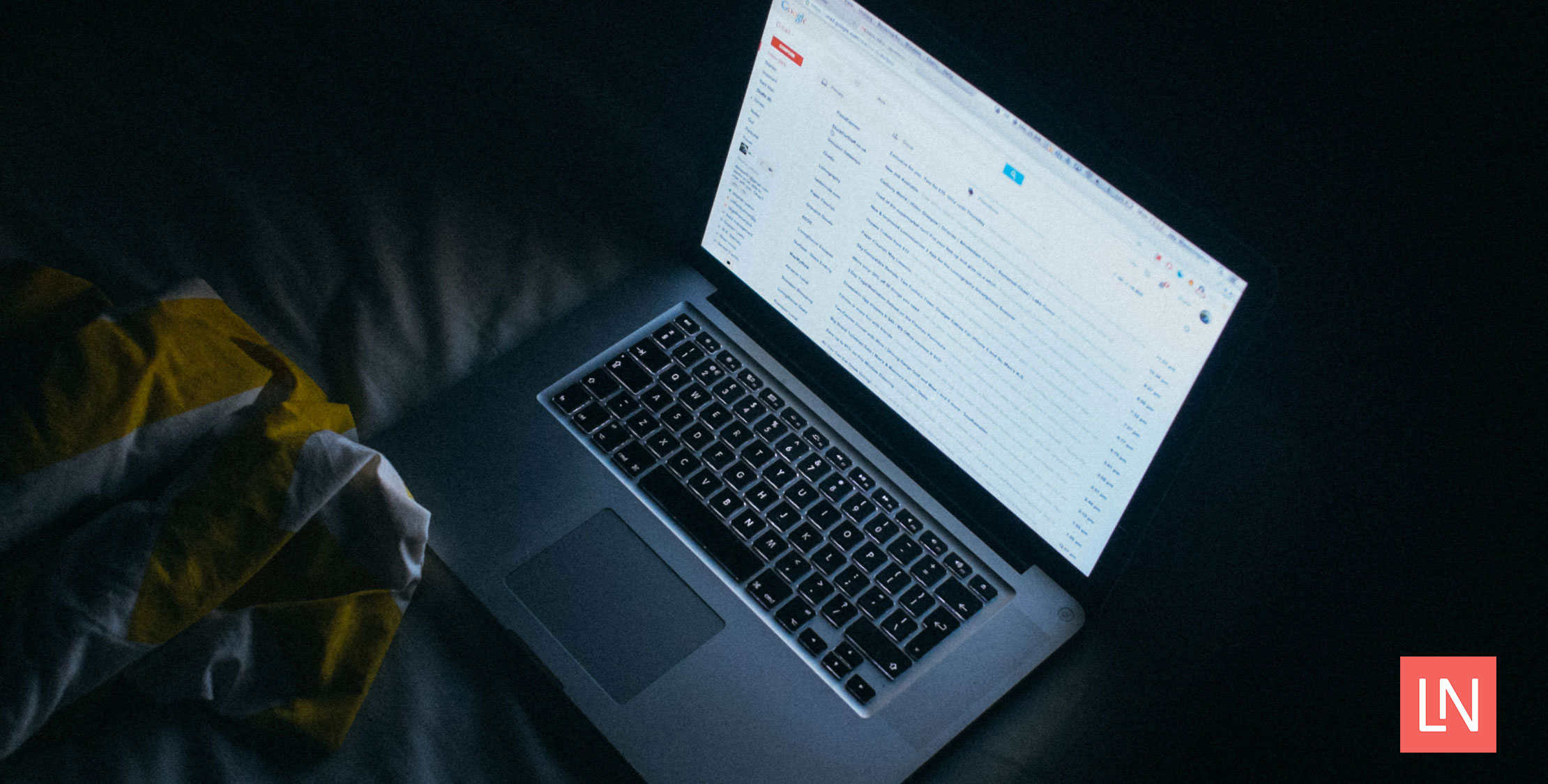
In no point in human history have people been staring at bright screens just a few feet from their face like they are today. Computer vision syndrome or CVS (no…
Study Finds Growing Workplace Use of Smart Glasses and Generative AI Among Workers with Visual Impairments | Naric
A study funded by the National Institute on Disability, Independent Living, and Rehabilitation Research (NIDILRR).

Will Their Bionic Eyes Be Obsolete and Unsupported Too?
As another retinal implant company goes broke, the tech’s future dims

Ubiquitous Accessibility for People with Visual Impairments: Are We There Yet?
Ubiquitous access is an increasingly common vision of computing, wherein users can interact with any computing device or service from anywhere, at any time. In the era of personal computing, users with visual impairments required special-purpose, assistive technologies, such as screen readers, to interact with computers. This paper investigates whether technologies like screen readers have kept pace with, or have created a barrier to, the trend toward ubiquitous access, with a specific focus on desktop computing as this is still the primary way computers are used in education and employment. Towards that, the paper presents a user study with 21 visually-impaired participants, specifically involving the switching of screen readers within and across different computing platforms, and the use of screen readers in remote access scenarios. Among the findings, the study shows that, even for remote desktop access—an early forerunner of true ubiquitous access—screen readers are too limited, if not unusable. The study also identifies several accessibility needs, such as uniformity of navigational experience across devices, and recommends potential solutions. In summary, assistive technologies have not made the jump into the era of ubiquitous access, and multiple, inconsistent screen readers create new practical problems for users with visual impairments.

Gazing through a lens, I invent as much as I reveal | Psyche Turning Points
For years I watched people through cameras and screens, filling in the blanks and calling it truth

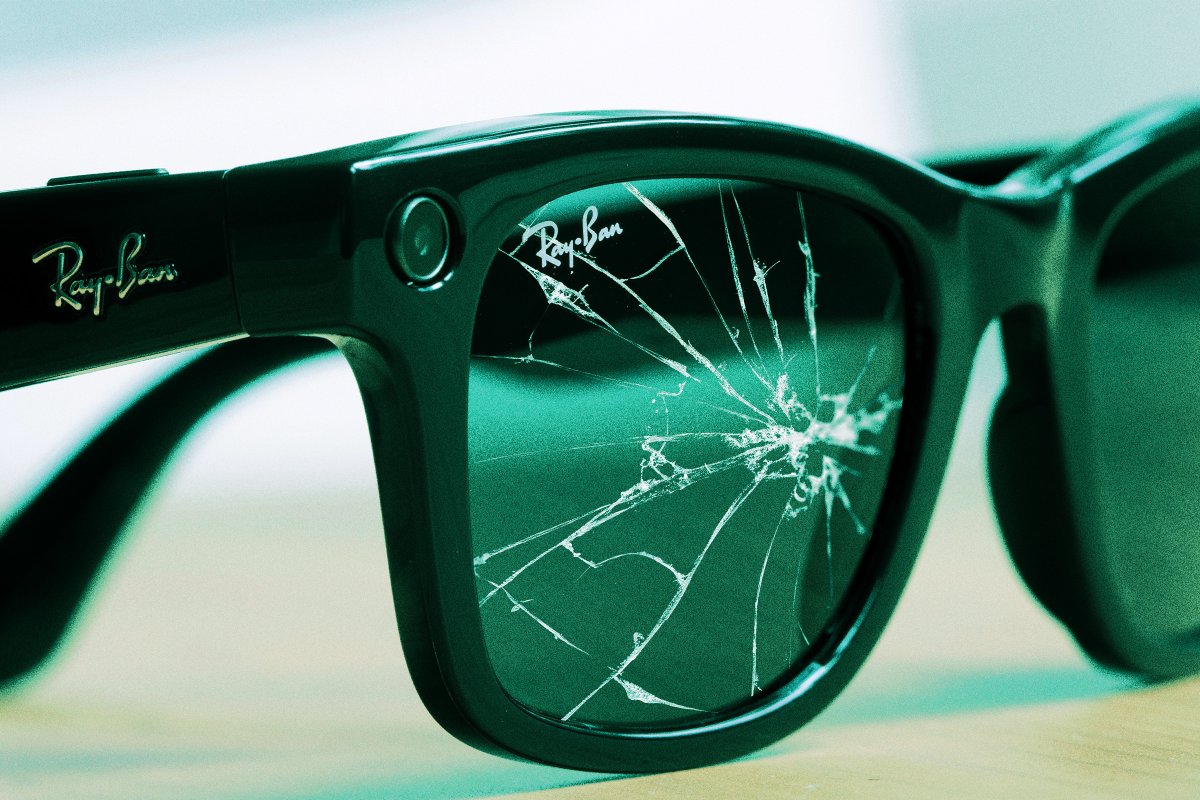
Think Twice Before Buying or Using Meta’s Ray-Bans
Over the last decade or so, the tech industry has tried, and mostly failed, to make “smart glasses”—tech-infused glasses with cameras, AI, maps, displays, and more—a thing. But in the past year,

Is Meta Using Disabled People to Promote Its Glasses?
AI glasses are a double-edged sword for disabled people, who face unique risks from surveillance.

A History of Accessibility at IBM
If you are reading this article, there is a good chance that you are using a screen reader, a term that is as generic to assistive technology as Kleenex is to facial tissues or Jell-o is to gelatin desserts. What you may not know, however, is that Screen Reader was once a proprietary product of IBM, rather than the generic term for the way people who are blind or have low vision gain access to computer screens. In fact, our terminals became "talkies" just 20 years ago, in 1984, largely because of the work of Jim Thatcher, then a mathematician for IBM, the world's largest technology company. This auspicious anniversary is an appropriate time to look back on the pioneering efforts of IBM and what it plans for the future.
The Backlash Is So Strong That People With “Pervert Glasses” Are Afraid to Use Them in Public
Meta's camera-equipped "AI Glasses" are so divisive that some adopters are reportedly leaving their expensive smart glasses at home.
Artificial intelligence-powered smart vision glasses for the visually impaired
Purpose: In India, 4.80 million people are blind, and 4.69 million have severe visual impairment. Globally, the digital era and the advent of artificial intelligence devices offer solutions for daily challenges faced by the visually impaired, but they are often expensive. This study evaluates the acceptance and usability of a cost-effective AI-powered spectacle-mounted assistive device in a multicentric Indian cohort. Methods: Smart vision glass (SVG) is a lightweight tool, mounted on a spectacle frame with braille-coded keys and a real-time voice interface for guiding the visually impaired, and is connected to a smartphone Android App. The four major functions of the device are as follows: “Things Around You,” “Reading,” “Walking Assistance,” and “Face Recognition.” Ninety participants were recruited from five vision rehabilitation centers across India, and feedback was collected after a month’s usage. Results: The mean age of the participants was 23.5 years (range: 6 to 56 years) with 58.9% male; 51% from rural areas; and 64.4% students. As per the World Health Organization (WHO) classification, 90% of the participants were blind (best corrected visual acuity in better eye less than 3/60). A total of 100% of the participants were able to access all the functions of the SVG. Participants reported a positive experience with “Reading” (72.9%), “Things Around You” (44.7%), “Face Recognition” (36.5%), and “Walking Assistance” (22.4%). About 2/3rd of the participants utilized the device for an hour or more per day. Conclusion: SVG is a promising cost-effective device for the blind and severe visually impaired in aiding their day-to-day challenges and becoming self-reliant.
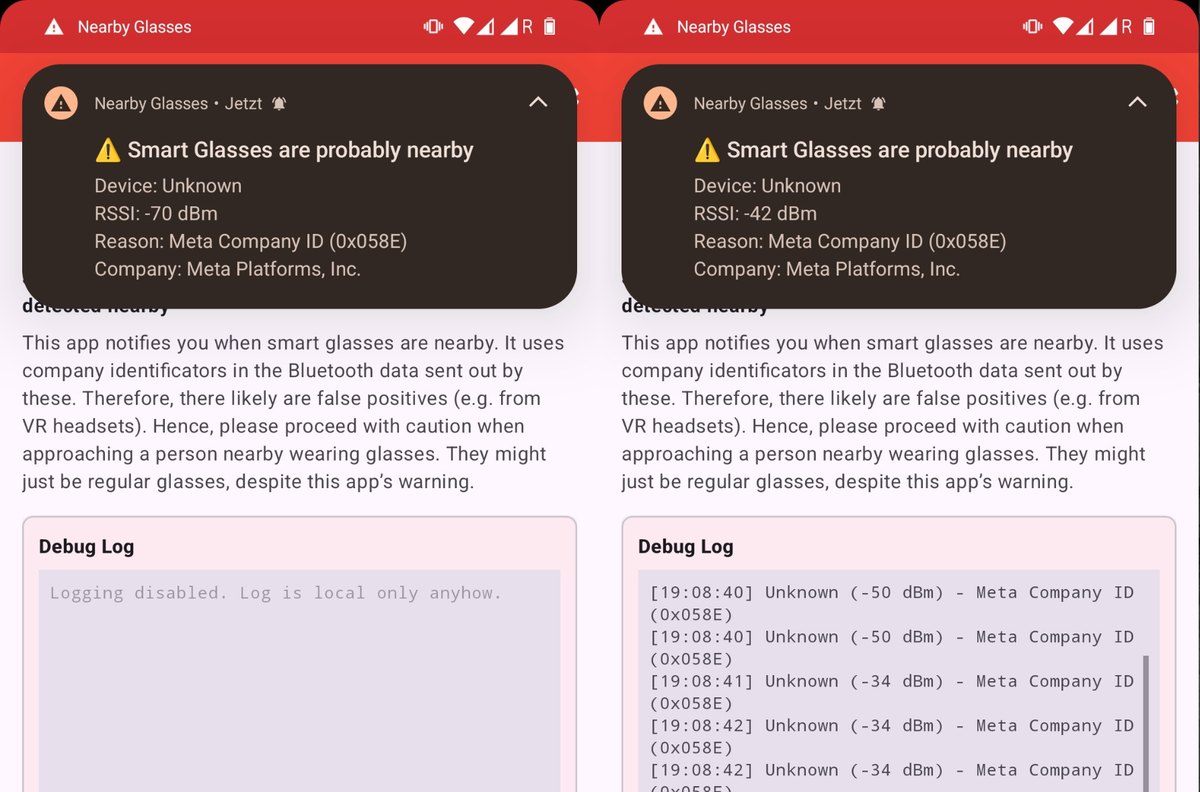
This App Warns You if Someone Is Wearing Smart Glasses Nearby
The creator of Nearby Glasses made the app after reading 404 Media's coverage of how people are using Meta's Ray-Bans smartglasses to film people without their knowledge or consent. “I consider it to be a tiny part of resistance against surveillance tech.”
Situational Blindness
This response may be read as a standalone piece, though it will of course be more meaningful if you read the original article first.
People Who Can't Visualize Anything Are Challenging a 300-Year-Old Theory of Thought
Mental imagery might not be as central to complex human thought as we believed, philosophers say.

Smart glasses controversy sidelines the benefits for disabled people | Letter
Letters: Guardian readers reflect on the ableism rife in the debate about Ray-Ban Meta eyewear, despite the life-changing difference they can make
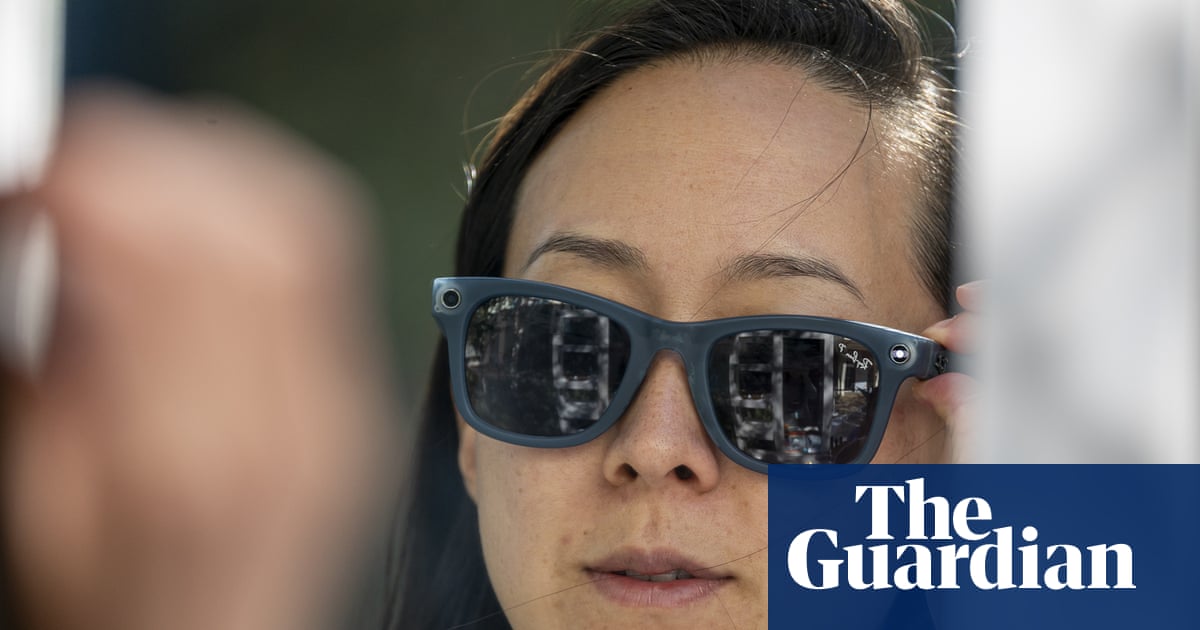
Smart glasses controversy sidelines the benefits for disabled people | Letter
Letters: Guardian readers reflect on the ableism rife in the debate about Ray-Ban Meta eyewear, despite the life-changing difference they can make