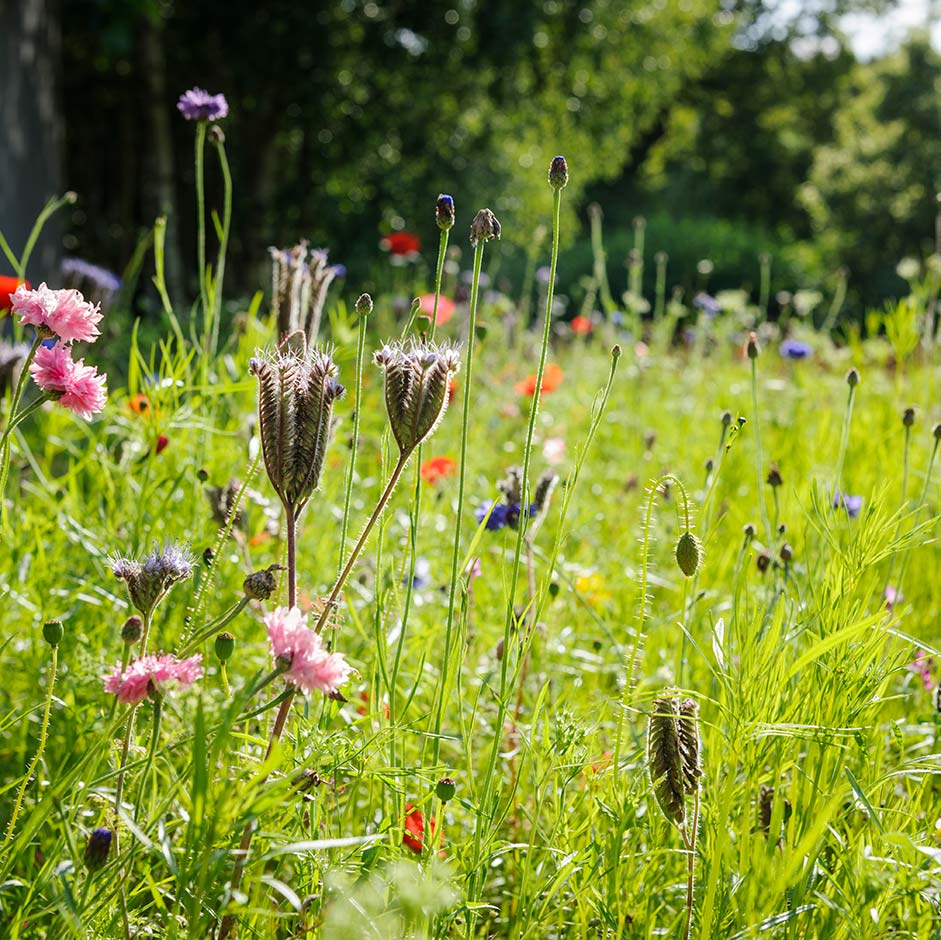
Pearce takes aim at the edifice that has coalesced around conservation efforts in the face of invasion.
The new wild: why invasive species will be nature's salvation
Named one of the best books of 2015 by The Economist A…


Wildland: Why, What and How?
We are excited to present the paper outlining the project’s high-level rationale, as well as some nuts and bolts of this initiative.
State of Conservation Technology | WILDLABS
Explore insights from the first community-sourced assessment of the State of Conservation Technology

Tackling the Nature Emergency - strategic framework for biodiversity: consultation
A consultation on Scotland’s Strategic Framework for Biodiversity, including the first 5-year Delivery Plan for the Scottish Biodiversity Strategy, and elements of the proposed Natural Environment Bill.

'The apparent chaos of the Anthropocene is turbocharging evolution itself': Plants are finding ways to survive and thrive in the climate crisis — if we let them
In this excerpt from "Despite it All," author Fred Pearce explores the ways plants are adapting and evolving in the face of climate change — and how we need to recognize this reality and foster its potential boost to biodiversity, rather than holding steadfast to our notions of what types of nature should and shouldn't be allowed to thrive.


Biodiversity strategy to 2045: tackling the nature emergency - draft
This draft biodiversity strategy sets out our clear ambition for Scotland to be Nature Positive by 2030, and to have restored and regenerated biodiversity across the country by 2045.
Report suggests nature restoration matters most right near where people live | CBC News
Restoration is the key to Canada’s efforts to reverse biodiversity loss — now a part of the country’s international obligations, after the COP15 UN biodiversity conference which was hosted in Montreal last December.

Ivan Illich and Silence as a Commons | David Bollier
Scott Silver, executive director of Wild Wilderness, calls it the “corporate takeover of nature and the Disneyfication of the wild.” He’s referring the American Recreation Coalition, an industry trade association, and its new “Scenic Byways” website that proposes inserting “tonal patterns” into roadways as a new form of “innovative communication” (i.e., advertising). Kym Murphy, the former v.p. for environmental policy at the Walt Disney Company, explains:
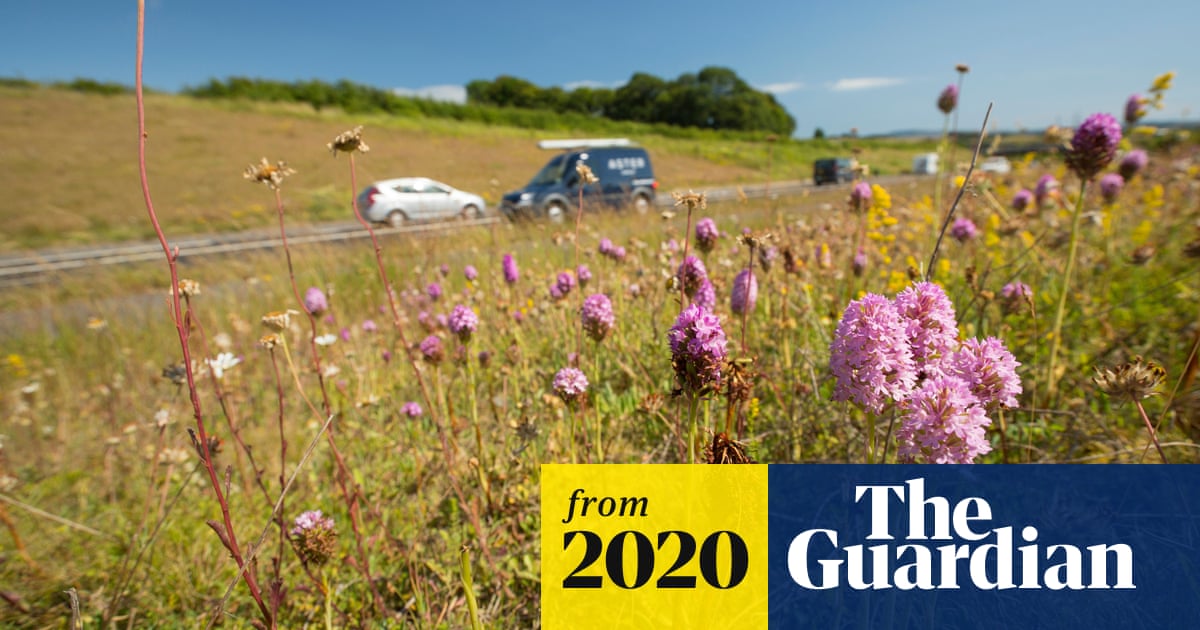
On the verge: a quiet roadside revolution is boosting wildflowers
Projects to reduce grass cutting and increase the diversity of plants and wildlife along Britain’s roads are having dramatic results
Urban problems: nature-based solutions and a Green New Deal everywhere
Nature-based Solutions with localised Green New Deals could save our settlements, and provide a just transition to a low-carbon society

IPBES Transformative Change Assessment : Full report
Thematic assessment of the underlying causes of biodiversity loss, determinants of transformative change and options for achieving the 2050 Vision for Biodiversity of the Intergovernmental Science-Policy Platform on Biodiversity and Ecosystem Services (IPBES) is composed of 1) a Summary for Policymakers (SPM), and 2) a set of five Chapters. All products of the assessment are available on Zenodo. Find all the links on the side bar "has part"
What if our cities were designed for wildlife as well as people?
New research argues urban planning must recognise animals, plants and ecosystems as fellow inhabitants of our cities.

Taking direct action against invasive species is helping these volunteers calm their climate anxiety | CBC News
People who spend their free time doing back-breaking labour to remove invasive plants from their local green spaces say it's worth it because they're doing something tangible to mitigate the effects of climate change.

Creating Wildflower Meadows | RHS Advice
Transform your garden with a wildflower meadow to attract pollinators and create a natural look.