Vector databases are the backbone of retrieval-augmented generation (RAG), a key technique enabling modern AI products to deliver accurate, context-aware answers from private data. This is our comprehensive comparison of leading vector databases, including Turbopuffer, Pinecone, Qdrant, pgvector, and many more.
Wikidata Launches Free Vector Database as Open Alternative to Closed AI Systems
Wikidata has launched something big.
Meilisearch: Unified Search & AI Retrieval Platform
Build lightning-fast search and AI retrieval with Meilisearch. Open-source, developer-friendly search engine trusted by 20,000+ teams worldwide.
Qdrant
Qdrant is an Open-Source Vector Search Engine written in Rust. It provides fast and scalable vector similarity search service with convenient API.

Andrej Karpathy Stopped Using AI to Write Code. He’s Using It to Build a Second Brain Instead
His new workflow turns raw research into a self-maintaining wiki.No vector databases, no RAG pipelines, just markdown files and an LLM that…
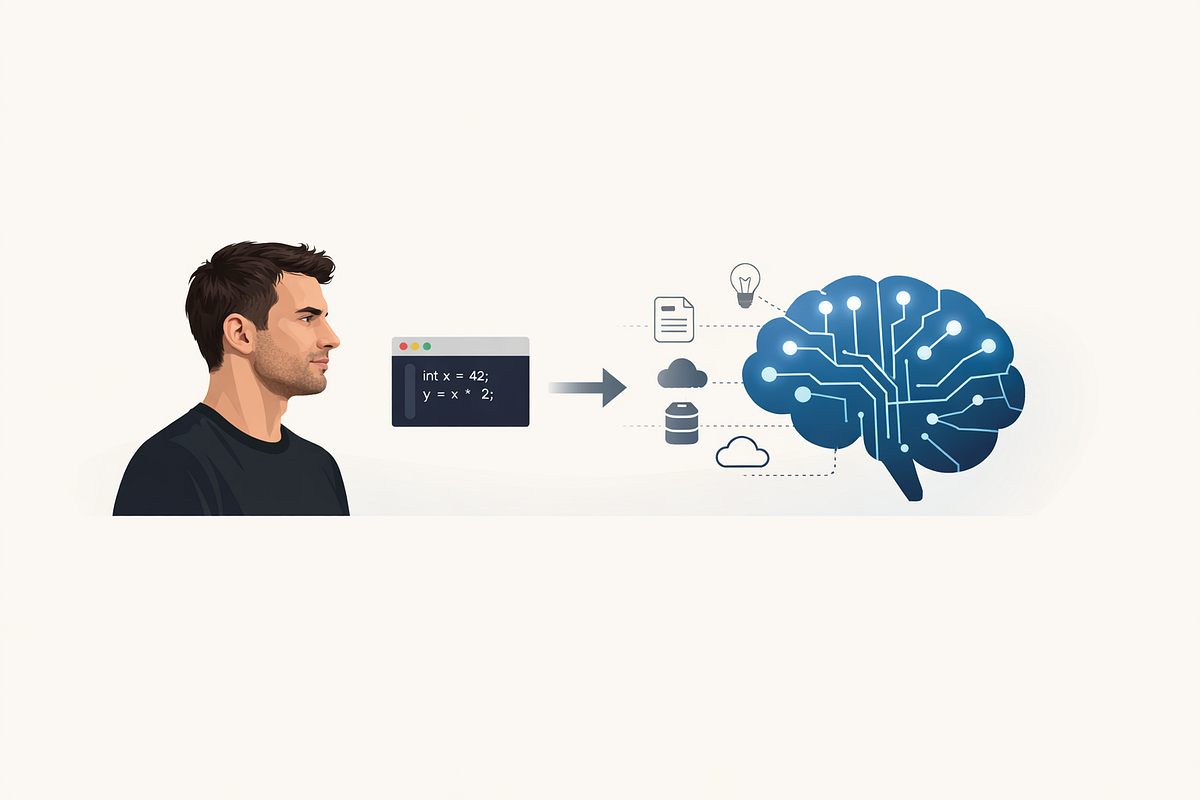
Karpathy shares 'LLM Knowledge Base' architecture that bypasses RAG with an evolving markdown library maintained by AI
Karpathy proposes something simpler and more loosely, messily elegant than the typical enterprise solution of a vector database and RAG pipeline.

"RAG is Dead, Context Engineering is King" — with Jeff Huber of Chroma — Latent Space
What actually matters in vector databases in 2025, why “modern search for AI” is different, and how to ship systems that don’t rot as context grows.

How Notion Cut Millions from Their Vector DB Bill Without Sacrificing Search Quality
#opensource | Andre Zayarni | 61 comments
We have a long history with MongoDB. Many years ago, when I was still writing code myself, NoSQL was a novel concept. I was sold on its simplicity and natural compatibility with the Node stack. I used Mongo for all my side projects. For work, we still preferred SQL DBs, though. Fast forward to the early days of Qdrant, MongoDB Ventures reached out, and we had several conversations; they considered investing in our seed round. Their product managers and engineers were reaching out and praising our solution. At some point, they revealed that they are going to add vectors to their Atlas search product just by using Lucene. So what, who cares? At Qdrant, we’re not retrofitting anything. We’re building a dedicated vector search engine - from the ground up. If someone wants to replicate what we do? Go ahead, we are #opensource. But here’s where it gets frustrating. We have put in the hard work building our community and attracting prominent people in the AI landscape to use our product and create content about it. We have built our Qdrant Stars program to engage with the community even closely. qdrant.tech/stars So, what does it have to do with Mongo? Well, they just made a clever shortcut and reached out to our Qdrant Stars program members and influencers from our community, making them an offer they could not decline. I do not blame the content creators, it is their daily work and it is an excellent opportunity for them, guys, I can totally understand you, no worries. But let's call it what it is: A multi-billion-dollar company is now trying to buy its way into a community built by an early-stage startup, not them. We don’t fear competition. But when the incumbents start copying your strategy and poaching your community, it says one thing loud and clear: We’re making the right people nervous. We’ll never outspend Mongo, and we don’t need to. We have something they can’t copy or buy: a fast-growing, mission-driven, technically superior open platform - and a community that sees through the noise. So to the engineers, researchers, and creators who believe in open innovation, performance that doesn’t compromise, and communities that are earned, not acquired: you know where to find us. And to the MongoDB marketing geniuses: take on Elastic, take on Redis, take on Oracle, and others of your calibre, but leave Qdrant and other startups like us alone. | 61 comments on LinkedIn

Introduction
A complete search engine and RAG pipeline in your browser, server or edge network with support for full-text, vector, and hybrid search in less than 2kb.
Building a Smarter AI Agent with Neural RAG - Will Bryk, Exa.ai
turbopuffer: fast search on object storage
Inaugural blog post about the development of turbopuffer, a search engine that uses object storage and SSD caching for cost-effective, low latency search. This post describes into the motivation behind its creation, its unique architecture, and how it significantly reduces costs for large-scale vector searches. Discover how turbopuffer is transforming search infrastructure for companies like Cursor and Suno, offering a scalable and reliable solution.
ParadeDB — Search without a second system
One Postgres for your application data, full-text search, vector retrieval, and aggregations. Home of the pg_search extension.

🚀 Announcing readwise-vector-db: Supercharge Your Readwise Library with Local, Semantic Search
Datacurve | The data engine for frontier AI
Custom data for long-horizon reasoning, software engineering, and data science.

Search LibGen, the Pirated-Books Database That Meta Used to Train AI
Millions of books and scientific papers are captured in the collection’s current iteration.