
Why engineering managers are expected to be hands-on again and how AI tools are making it possible to stay technically sharp while still leading.
Long live the engineering manager
AI can automate status updates but the engineering manager’s real work of coaching, alignment, and translation is growing faster than AI can replace it.

The Trap of Instant Heroism in the Era of AI
AI has expanded what engineering leaders can do.

Bring a Product Manager Mindset to Your Next Engineering Job
The age of AI demands strong ideas, data driven methods, and experimentation

Resetting on engineering expectations in the age of AI
I’m accepting new sponsorships for The Modern Leader for 2026. If you’re interested (or you think your company may be interested), you can learn more here.
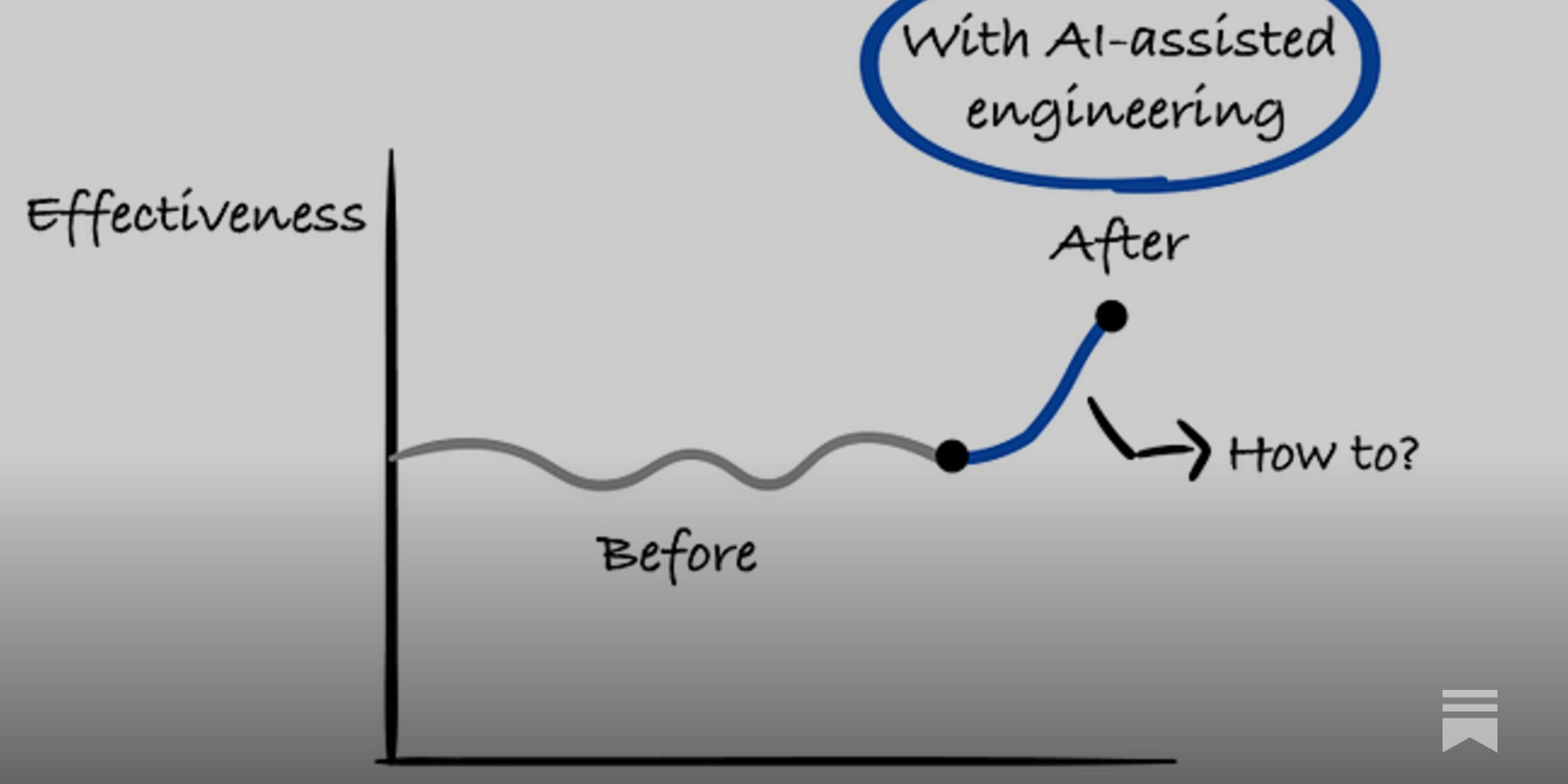
How to Do AI-Assisted Engineering
15 experienced engineers and engineering leaders share their real-world experiences with AI-assisted engineering.
Managing through interfaces - The Engineering Manager
You can learn a lot about managing managers by thinking about interfaces from programming languages. We dig deeper into what that means.
Why AI hasn’t replaced software engineers, and won’t
Arvind Narayanan and Sayash Kappor take on the question of AI job losses through the lens of a profession that is uniquely suited to AI disruption - software engineering. In …
How I’d start my engineering career today
If you could start your engineering career over today, here’s what actually matters now that AI has made most coding skills nearly worthless.

The manager's path in the age of AI
Which management skills AI is genuinely changing, which stay non-negotiable, and how to tell the difference.

Why AI hasn’t replaced software engineers, and won’t
Coding agents as normal technology
AI makes weak engineers less harmful
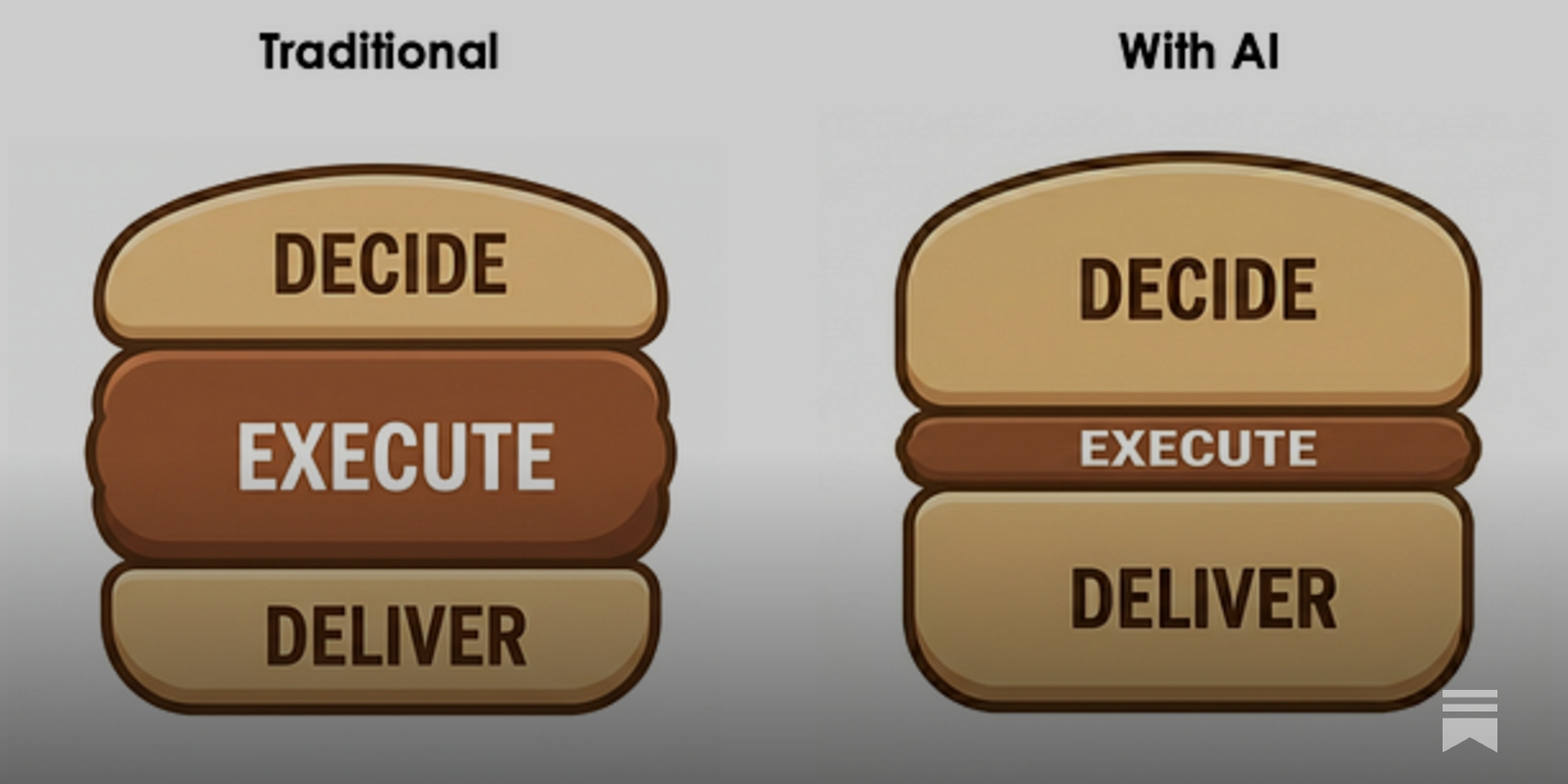
Like other kinds of puzzle-solving, software engineering ability is strongly heavy-tailed. The strongest engineers produce way more useful output than the average, and the weakest engineers often are actively net-negative: instead of moving projects along, they create problems that their colleagues have to spend time solving. That’s why many tech companies try to build a small, ludicrously well-paid team instead of a large team of more average engineers, and why so far this seems to be a winning strategy.

AI is removing the middle class of software engineering
AI makes projects with weak engineering culture fail much faster.
Cory Doctorow: The people who tell you ‘AI is changing everything’ are lying
It has become impossible to tell managers mesmerised by artificial intelligence that the tools are not, in fact, helpful. So employees just play along with the fiction to keep their jobs, writes our tech columnist

Why Software Engineering Is Indispensable in the Age of Coding Agents
Can AI make Software Engineering (SE) -- the discipline -- obsolete? And can it make software engineers -- the professionals -- redundant? This paper argues that the rise of capable AI coding...

Don't Feed the Thought Leaders
In this article, the author shares their experience as an engineering manager and the challenges they faced when trying to reach alignment and prev...