

Learn C The Hard Way (LCTHW) is a practical book teaching real world useful C using the same proven Learn The Hard Way method. LCTHW teaches real robust C coding and defensive programming tactics on real hardware rather than abstract machines and pedantic theory. The book emphasizes breaking your code on purpose, and in the process teaches a plethora of important topics like data structures, algorithms, and automated testing. If you've wanted to become a better programmer then you need this book.
Learn C • Build Your Own Lisp
If you're looking to learn C, or you've ever wondered how to build your own programming language, this is the book for you.
Learnable Programming
Here's a trick question: How do we get people to understand programming?
Modular: The Claude C Compiler: What It Reveals About the Future of Software
Compilers occupy a special place in computer science. They're a canonical course in computer science education. Building one is a rite of passage. It forces you to confront how software actually works, by examining languages, abstractions, hardware, and the boundary between human intent and machine execution.

Learn To Code, It’s Harder Than You Think
TL;DR: All the evidence shows that programming requires a high level of aptitude that only a small percentage of the population possess. The...
The cost of forsaking C
The C programming language is not trendy. The most recent edition of the canonical C text (the excitingly named The C Programming Language)…
C Is Not a Low-level Language: Your computer is not a fast PDP-11.
In the wake of the recent Meltdown and Spectre vulnerabilities, it’s worth spending some time looking at root causes. Both of these vulnerabilities involved processors speculatively executing instructions past some kind of access check and allowing the attacker to observe the results via a side channel. The features that led to these vulnerabilities, along with several others, were added to let C programmers continue to believe they were programming in a low-level language, when this hasn’t been the case for decades.

Write code that is easy to delete, not easy to extend.
“Every line of code is written without reason, maintained out of weakness, and deleted by chance” Jean-Paul Sartre’s Programming in ANSI C.
Programming principles for self taught front-end developers
The majority of us are a bunch of self taught people with rather spotty knowledge and that's fine! Kilian (also self taught) is here to share some of the computer science fundamentals you probably are missing with the aim to improve your code in the long term.
Welcome to Software Foundations in Coq
Becoming a dramatically better programmer - Henry @ RC S1
In our first week, we were told that the RC faculty wanted to do one thing above else – to remove any obstacles in the way of us becoming dramatically better programmers.
School of Computer Science - University of Birmingham
School of Computer Science homepage at the University of Birmingham

Ncursesw - RogueBasin
The version of the popular ncurses library that handles wide characters, or Unicode, is surprisingly difficult to get working with C programs. This article is intended to be a checklist for developers so that they can effectively use the library.
Stop saying learning to code is easy.
(The photo above was taken at the Microsoft NYC office of three amazing young ...

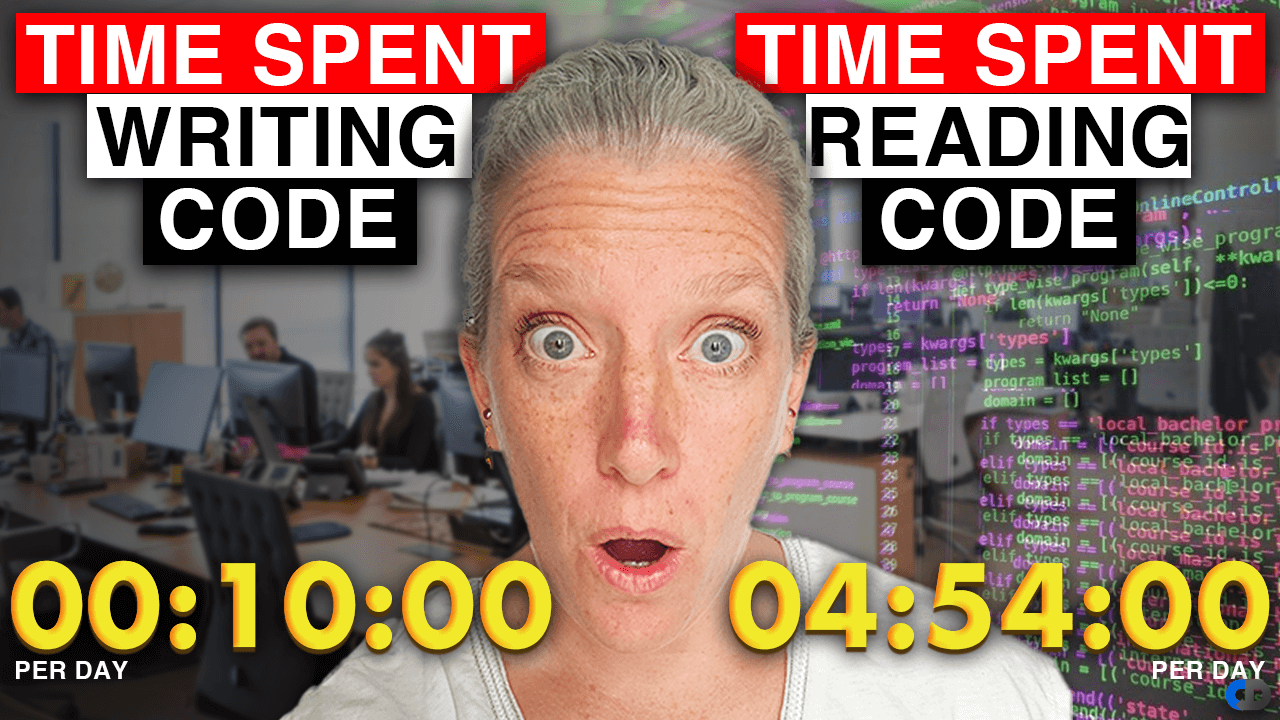
Reading Code Is Hard, and tips to improve - Trisha Gee
This week's video for Dave Farley's Continuous Delivery YouTube channel is me ranting about why reading code sucks, and offering some advice on how to improve. "Every programmer occasionally, when nobody’s home, turns off the lights, pours a glass of scotch, puts on some light German electronica, and opens up a file on their computer. ... Read more
Practical Foundations for Programming Languages