


There are many ways to describe intimacy. For example, there’s physical intimacy, emotional intimacy, intellectual, political, familial or sexual intimacy. But, as a physically disabled woman, th…
Access Intimacy, Interdependence and Disability Justice
My remarks from the 2017 Paul K. Longmore Lecture on Disability Studies at San Francisco State University delivered on April 11, 2017. To watch and listen to the video of my talk, click here…

6 Ways to have Radically Intimate Sex. | elephant journal
True intimacy with a lover happens in the silent moments of presence and connectedness between words.

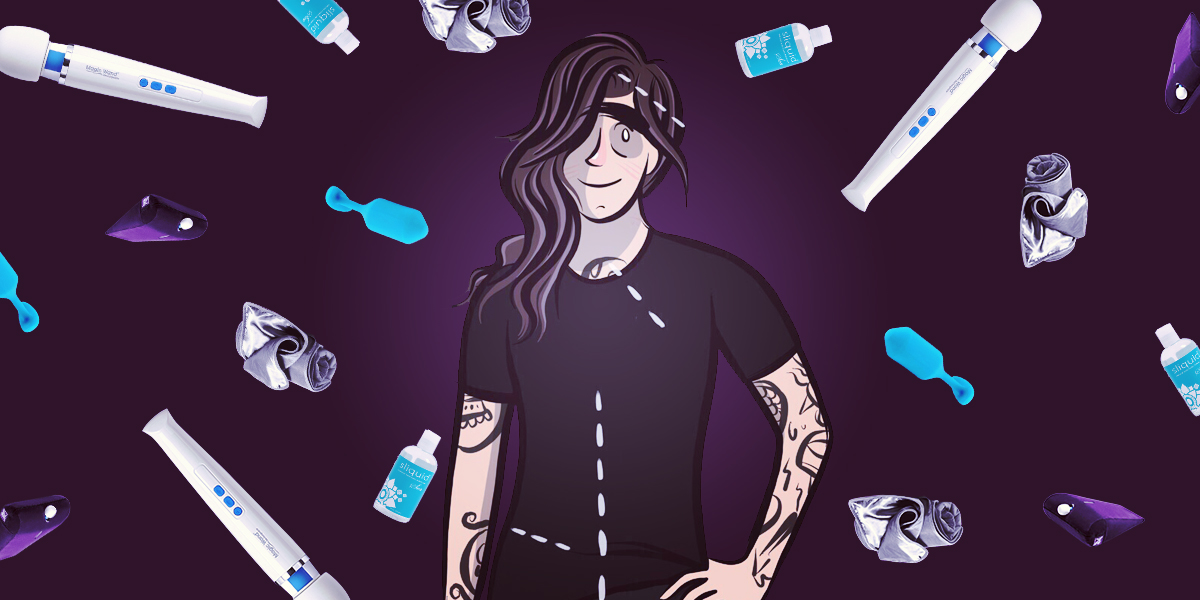
Sex & Accessibility 101: How to Have Super Hot Sex with or as a Disabled Person
Disabled people have sex. Trust me, I know.
Body and Brain Benefits From Lasting Intimacy
Think intimacy is about physical touch? Reach into and understand the emotional brain to truly activate what sparks a deep human connection.

The 4 Qualities Of A Conscious Relationship, From A Marriage Therapist
We are approaching a period of time when relationships are ready to go through a major redesign.

Couples & Sex Therapy | Relational and Experiential Therapy
Strengthen trust, communication, and connection with insight-driven couples and sex therapy designed to help you heal and grow together.
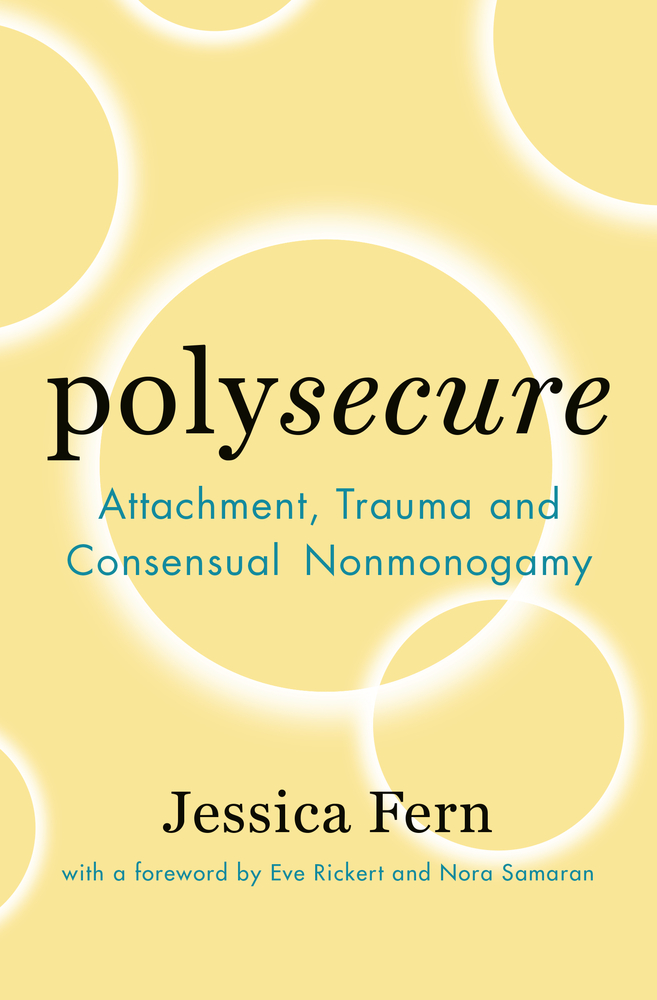
Polysecure: Attachment, Trauma and Consensual Nonmonoga…
Attachment theory has entered the mainstream, but most …
Against the Couple-Form | LIES Journal
Libidinal flows cut through the social world. Amorous and sexual relations do not exist in some domain safely taped off from the rest of society. Rather they are constituent elements of nearly every aspect of social life. Desire flows and circulates amongst places of employment, intellectual debates, political organizing, artistic circles, playgrounds, and cemeteries. The elderly patient grabs at the breast of a nurse hunched over him. A governmental official strips his newly hired intern down to her leopard print thong during an important briefing in his office. The incarcerated man holds his hand up to the glass of the visiting booth, attempting to touch his wife after twenty years of their bodily separation. These flows of libidinal desire operate within and amongst broader social mechanisms, such that they help animate the dynamics of economic and political life. Often a locus of politics, desire permeates the so-called ‘public’ terrain.
Prevalence and experience of violence against persons with disabilities in Bangladesh: findings from a nationwide mixed-method study
Current prevalence of disability in Bangladesh stands at 7.14%. Due to various misconceptions, stigma, and lack of policies, they are more vulnerable to violence and abuse from perpetrators. However, there is a paucity of research on the prevalence of emotional, physical, and sexual violence in the country. To address this knowledge gap, the current study aims to estimate the prevalence and explore the experiences of emotional abuse, physical, and sexual violence of persons with disabilities with their coping strategies. This study adopted a mixed-method sequential design comprising qualitative and quantitative components. A total of 5000 persons with disabilities were interviewed during the survey, and mini-ethnographic case studies were conducted with 51 purposively selected persons with disabilities from all eight administrative divisions of Bangladesh. Descriptive and bivariate statistical analysis was performed for quantitative data. Qualitative data were analysed through thematic analysis. The study concludes that the lifetime prevalence of emotional, physical, and sexual abuse is 68.9%, 26.6%, and 11.5%, respectively. Male participants were more prone to experience sexual abuse than females for both lifetimes (male: 12.7% & female: 10.3%) and within the last 12 months before the survey (male: 6.6% & female: 5.1%). Neighbours and close family members were found to be perpetrators of emotional and physical violence, whereas immediate family members were the perpetrators of sexual violence. Even though participants shared several coping mechanisms, equal to or less than 0.5% sought help from a counsellor to cope with the trauma. Results from the study correspond to the earlier studies with implications for future research and urgent policy reform. Although women are more vulnerable to experiencing different forms of violence, men with disabilities are no different. However, this remains unseen and unheard. To reduce the prevalence of violence against this marginalised group, a coordinated and collaborative approach is required targeting nationwide sensitisation, easy access to help-seeking centres, and adequate policy implementation.

How I have and enjoy sex without sexual attraction
How I have and enjoy sex without sexual attraction Before we begin, I would like to state that this is just my experience. I am only speaking here for myself, from my perspective. No one …

Feelings are Facts: Love, Privacy, and the Politics of Intellectual Shame
A debut of new research and analysis, focused on emotions and the affective register—love! shame! intimacy! What happens when we put lov...

The Secret Reason Why Sex Is So Important to a Relationship
New research on every couple's need for physical connection.
Out of Sight; Out of Mind - Ewan’s Blog
Disability did not become fashionable. Disabled people became harder to ignore.
The Central Paradox of Love: Esther Perel on Reconciling the Closeness Needed for Intimacy with the Psychological Distance That Fuels Desire
“Love rests on two pillars: surrender and autonomy. Our need for togetherness exists alongside our need for separateness. One does not exist without the other.”
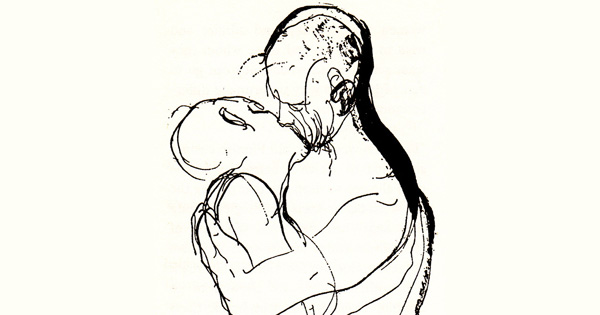
Romancing Aloneness: How to Be Alone Like a Buddhist. | elephant journal
If we cannot see ourselves, how do we expect others to see us clearly? If we cannot be alone, how can we truly enjoy being with people? The contrast in life is often what allows us to appreciate it.

A person’s approach to sexuality is a sign of his level of evolution | Gnostic Warrior By Moe Bedard
"A person's approach to sexuality is a sign of his level of evolution. Unevolved persons practice ordinary sexual intercourse. Placing all emphasis upon the sexual organs, they neglect the body's other organs and systems. Whatever physical energy is accumulated is summarily discharged [through orgasm], and the subtle energies are similarly dissipated and disordered. It is