

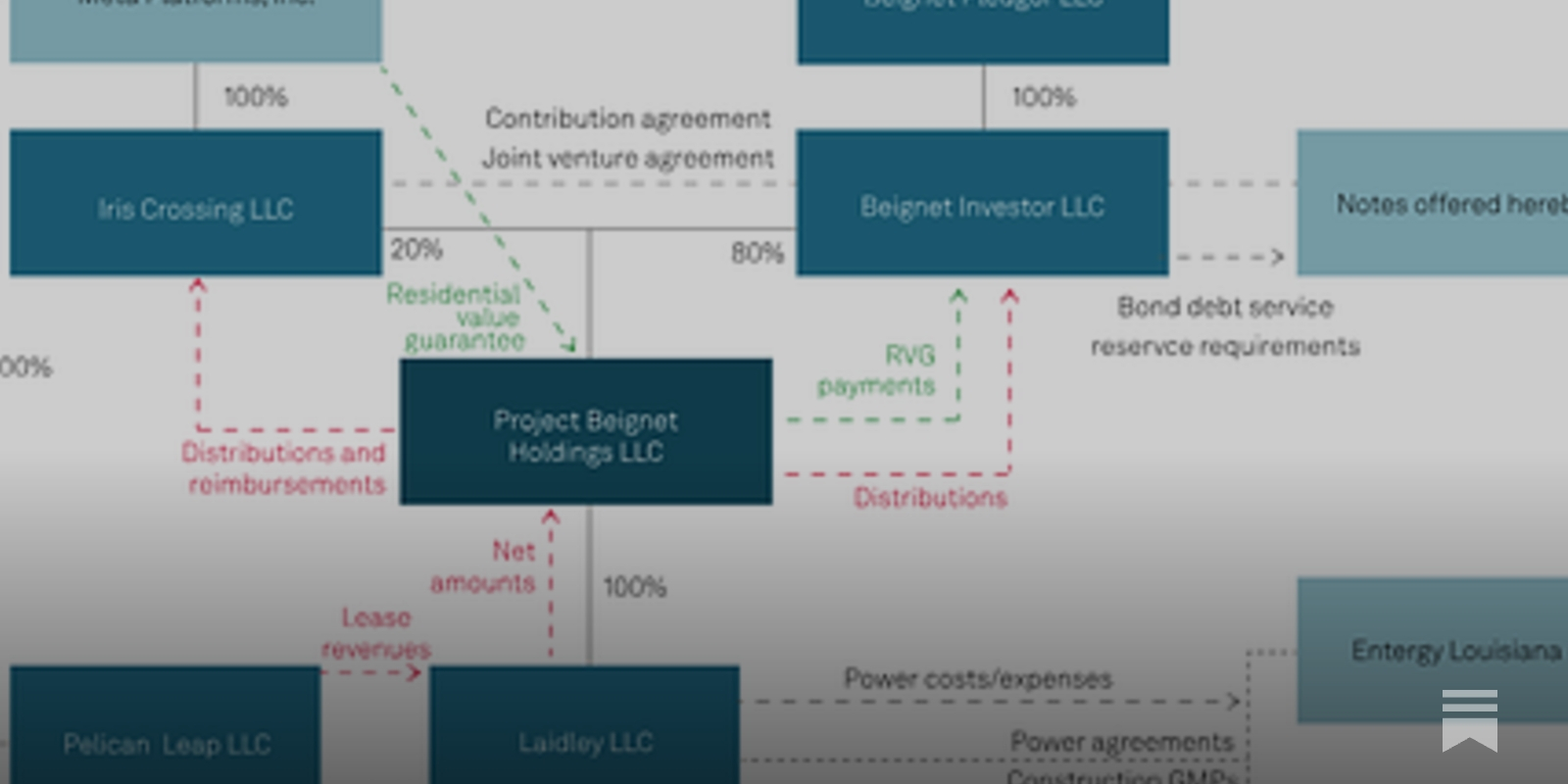
Understanding the pass-through financing model behind the AI infrastructure boom
Investors dump data centre bonds as AI borrowers face ‘Darwin moment’
Debt issued by AI infrastructure providers and neocloud companies such as CoreWeave has sunk to increasingly stressed levels

AI Companies Are Trying to Hide a Staggering Amount of Debt
AI companies are pouring tens of billions of dollars into enormous data centers. They're being built on top of a mountain of hidden debt.

How Generative and Agentic AI Shift Concern from Technical Debt to Cognitive Debt
The term technical debt is often used to refer to the accumulation of design or implementation choices that later make the software harder and more costly to understand, modify, or extend over time...

Five US tech giants' hidden debts soar to $1.65tn on opaque AI funding
Data center leases, GPU supply contracts raise liabilities at Meta, Oracle, Nikkei study shows

Comprehension Debt - the hidden cost of AI generated code.
Comprehension debt is the hidden cost to human intelligence and memory resulting from excessive reliance on AI and automation. For engineers, it applies most to agentic engineering.

SPVs, Credit, and AI Datacenters
How a new credit bubble is building in AI data centers

The Moat or the Commons — Warman Notes
American capital financed AI on the assumption it would be the next great monopoly. Open-weight models are commoditizing the capability that monopoly was supposed to protect. The collision between the two now defines the direction of the U.S. AI industry — and the country.
The AI Buildout and the Material Trap
Why Strategic Necessity, Physical Bottlenecks, and Unsettled Economics Are Forcing Capital into a Constrained System


Spending on AI Is at Epic Levels. Will It Ever Pay Off?
Tech companies are pouring hundreds of billions into data centers, taking on heavy debt, but current revenue is relatively tiny. Critics warn of a new dot-com bubble.

Regulation & Market Design | Windfall Policy Atlas
What rules and institutional structures will shape how AI-driven economic value is created and distributed?

Consumer Finance AI Standard
AI (artificial intelligence) is making consequential decisions about consumers’ financial lives, including who gets access to credit, which claims get paid, what financial products consumers are shown, and how users are advised to manage their accounts, among many others. It’s doing this at scale, largely out of sight, and with almost no accountability when it
AI Benefits - But at What Cost?
In 2026 we can all agree that AI and agentic development are certainly exciting topics which many see yielding great productivity gains. But as the investor-subsidized pricing of these services gives way to realistic and profitable business models, where will the real costs land?

Debt is Coming
Ten years from now, what seismic change will we reflect back on and think, “well that was pretty obvious, in retrospect”? Debt is going to finally come to the tech industry. We can hat…

Who Pays for the Commons?
Three and a half years after the emergence of generative AI as a new technology paradigm, there is broad agreement that AI companies have extracted enorm...

Report - Brace for Impact: Protecting People and the Economy when the AI Bubble Bursts — Open Markets Institute
Our report in partnership with Americans for Financial Reform outlines vulnerabilities in the financial system and wider economy that could intensify an AI crash into the next financial crisis, and provides steps that policymakers can take to mitigate the damage and protect everyday people from bear
