


reduce computer anxiety and make better tech choices by Bianca Wylie __ table of contents author's note and welcome the proposal part I - st...
computer etiquette
thinking through computer etiquette with Bianca Wylie sharing what some of us are finding socially difficult about computer use. dealing with it together...
Feeling of Computing
Feeling of Computing is an online community with a welcoming, cooperative, and revolutionary spirit. We are unified in the belief that the computer is tragically less humane than it could be. There’s a world of possibilities that get more beautiful the further away from the norm you go. We’re here to explore this world together, to discuss ideas about theory and practice, and to champion and support our members’ research and development efforts to reimagine the computer.
Feeling of Computing — Conversations
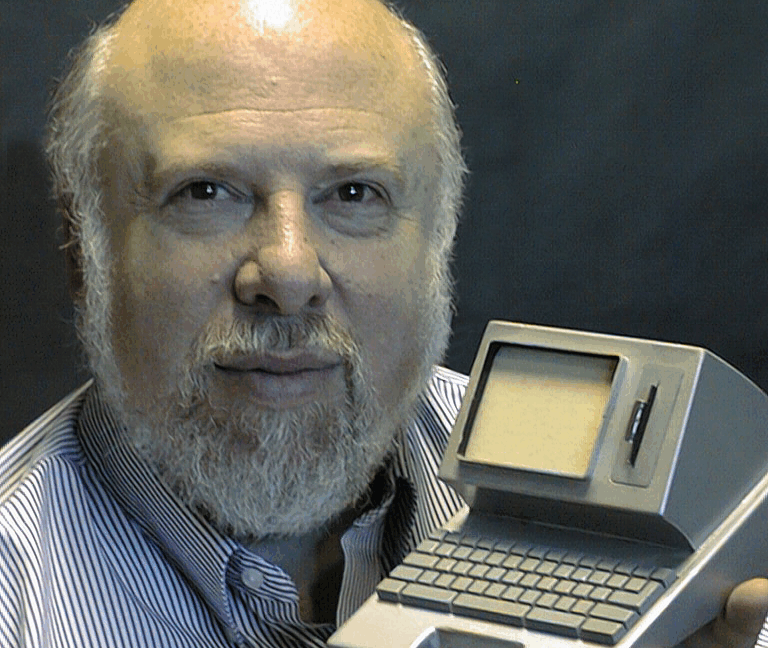
Jef Raskin’s cul-de-sac and the quest for the humane computer
“He wanted to make [computers] more usable and friendly to people who weren't geeks.”...
Changing Minds: Computers, Learning, and Literacy
An impassioned guide to how computers can fundamentally change how we learn and think.Andrea diSessa's career as a scholar, technologist, and teacher has b
Basic | The Personal Computing Platform
We build products, tools, and standards to make computers more personal.


Optimistic Computing
I recently made two new friends: Abhinav Omprakash and Dawn Walker. Abhinav said I’m an optimist and I should write about it. Dawn said I shouldn’t try to coin any new terms. I should know better, but this essay follows Abhinav’s recommendation — and credits Dawn, in the very likely event I should have followed her advice instead. I have been alive for approximately four decades. Each of those decades was witness to its own fun brand of computering.
Feminist Computer Science Education: "'Women in Computing' As Problematic": A Summary
I've long been interested in why, despite so much organized effort, there percentage of women in CS has been so stagnant. One hypothesis I h...
The rise of Whatever
This was originally titled “I miss when computers were fun”. But in the course of writing it, I discovered that there is a reason computers became less fun, a dark thread woven through a number of events in recent history. Let me back up a bit.

triumph of the nerds
softer computing club
a cozy community of humans and computers on the planet earth
Self disclosure on computer forms: meta-analysis and implications
Computer attitude affects a user's choice and/or behaviour towards working with a computer. Computer attitude consists of computer anxiety, computer liking and computer confidence. Literature indicates that computer experience has either a positive ...

Notes from my Beginner Computer Literacy Class Part 1 - Alex’s Writing Journal
Helping the uninitiated navigate this brave new digital world
» Apple, Carmen Sandiego, and the Rise of Edutainment The Digital Antiquarian
If there was any one application that was the favorite amongst early boosters of personal computing, it was education. Indeed, it could sometimes be difficult to find one of those digital utopianists who was willing to prioritize anything else — unsurprisingly, given that so much early PC culture grew out of places like The People’s Computer Company, who made “knowledge is power” their de facto mantra and talked of teaching people about computers and using computers to teach with equal countercultural fervor. Creative Computing, the first monthly magazine dedicated to personal computing, grew out of that idealistic milieu, founded by an educational consultant who filled a big chunk of its pages with plans, schemes, and dreams for computers as tools for democratizing, improving, and just making schooling more fun. A few years later, when Apple started selling the II, they pushed it hard as the learning computer, making deals with the influential likes of the Minnesota Educational Consortium (MECC) of Oregon Trail fame that gave the machine a luster none of its competitors could touch. For much of the adult public, who may have had their first exposure to a PC when they visited a child’s classroom, the Apple II became synonymous with the PC, which was in turn almost synonymous with education in the days before IBM turned it into a business machine. We can still see the effect today: when journalists and advertisers look for an easy story of innovation to which to compare some new gadget, it’s always the Apple II they choose, not the TRS-80 or Commodore PET. And the iconic image of an Apple II in the public’s imagination remains a group of children gathered around it in a classroom.