

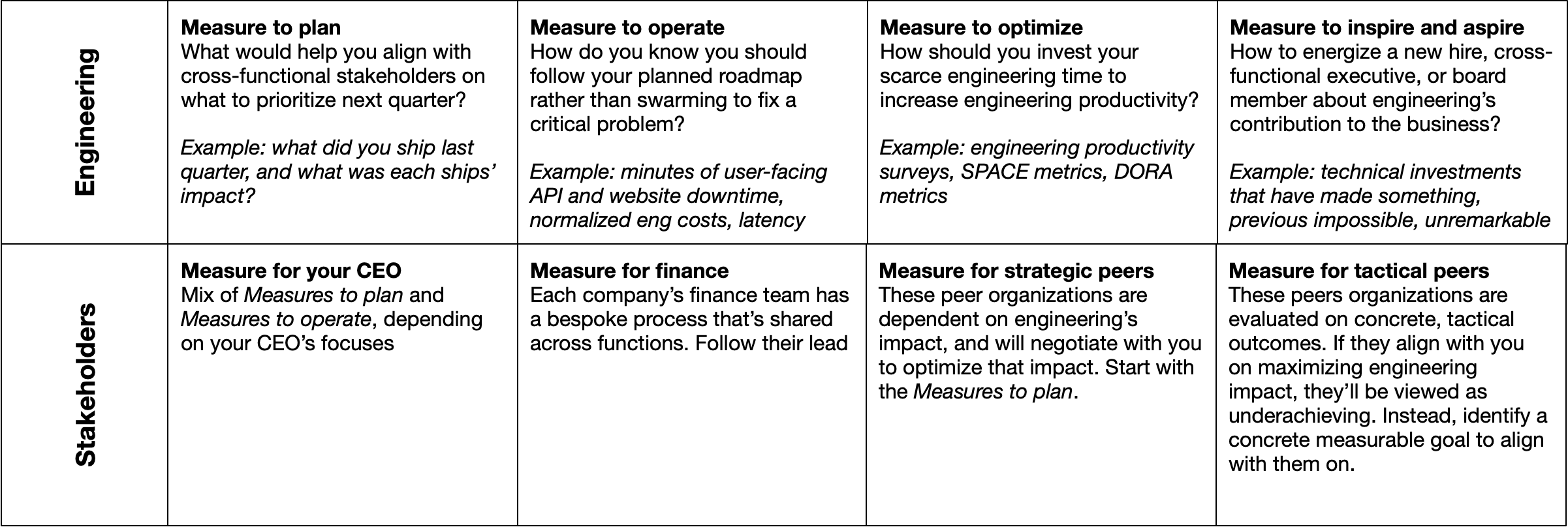
For the past several years, I’ve run a learning circle with engineering executives. The most frequent topic that comes up is career management–what should I do next? The second most frequent topic is measuring engineering teams and organizations–my CEO has asked me to report monthly engineering metrics, what should I actually include in the report? Any discussion about measuring engineering organizations quickly unearths strong opinions. Anything but sprint points! Just use SPACE! Track incident frequency! Wait, absolutely do not track incident frequency! Just make a pretty chart, they won’t look at it anyway! All of these answers, even the last one, have a grain of truth to them, but they skip past an important caveat: there are many reasons to measure engineering, many stakeholders asking for metrics, and addressing each requires a different approach.
A Guide to Measuring Engineering Team Performance
“You can’t manage what you can’t measure.” While software development practices constantly change, there will always be a tier of truly top engineering teams who stand above…

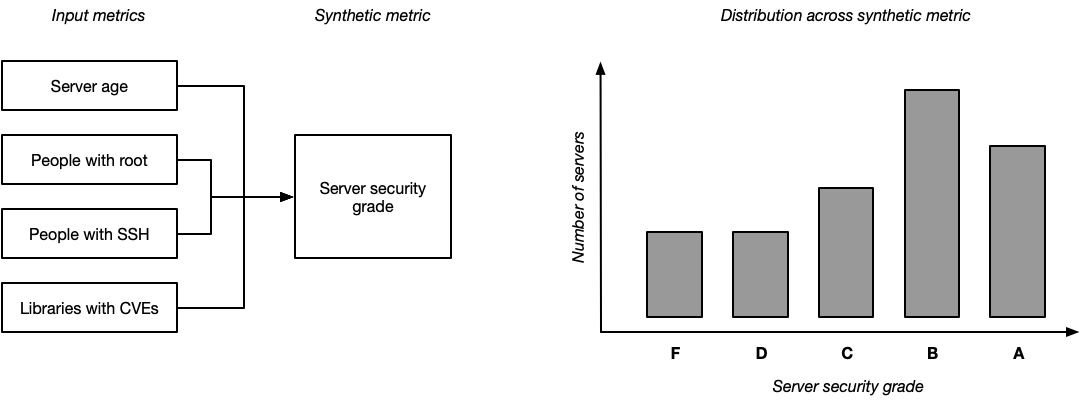
Metrics for the unmeasurable.
As organizations grow more complex, the folks running them interface with reality through increasingly incorporeal abstractions. On the smallest teams, leadership might be deep in the code on a daily basis. A bit larger, and you’re talking about tasks in sprints. Larger still, and you’re talking about collections of tasks, and adopting fancy terminology like ’epics.’ At a hundred plus engineers, you’re likely talking primarily in themes of work with focus on several key initiatives. Next, you might be talking about the investment frameworks for making prioritization decisions.
Solving the Engineering Strategy crisis.
These are speaking notes for my October 4th, QCon talk in San Francisco. See a video of this talk. Slides for this talk. Over the course of my career, I’ve frequently heard from colleagues, team members and random internet strangers with the same frustration: the company doesn’t have an Engineering strategy. I don’t think this problem is unique to Engineering: it’s also common to hear folks complain that they’re missing a strategy for Product, Design or Business. But, whereas I don’t feel particularly confident speaking to why so many companies are missing a clear Business or Product strategy, I’ve come to have some clear opinions about why so many engineering organizations don’t have a written strategy.

Don't Feed the Thought Leaders
In this article, the author shares their experience as an engineering manager and the challenges they faced when trying to reach alignment and prev...

The Engineering Leadership Report 2026
Our survey of 600 engineering leaders exploring how the role is evolving, where the challenges lie, and what the future holds for the job.

The Big List of Engineering Management Resources - March 2022
Now as a Director of Engineering at Docker, I’ve been doing some type of engineering leadership for the last decade. I have learned from the best over the…
Writing an engineering strategy.
Once you become an engineering executive, an invisible timer starts ticking in the background. Tick tick tick. At some point that timer will go off, at which point someone will rush up to you demanding an engineering strategy. It won’t be clear what they mean, but they will want it, really, really badly. If we just had an engineering strategy, their eyes will implore you, things would be okay. For a long time, those imploring eyes haunted me, because I simply didn’t know what to give them: what is an engineering strategy?
All you need is Wide Events, not “Metrics, Logs and Traces”
This quote from Charity Majors is probably the best summary of the current state of observability in the tech industry - a total, mass confusion.

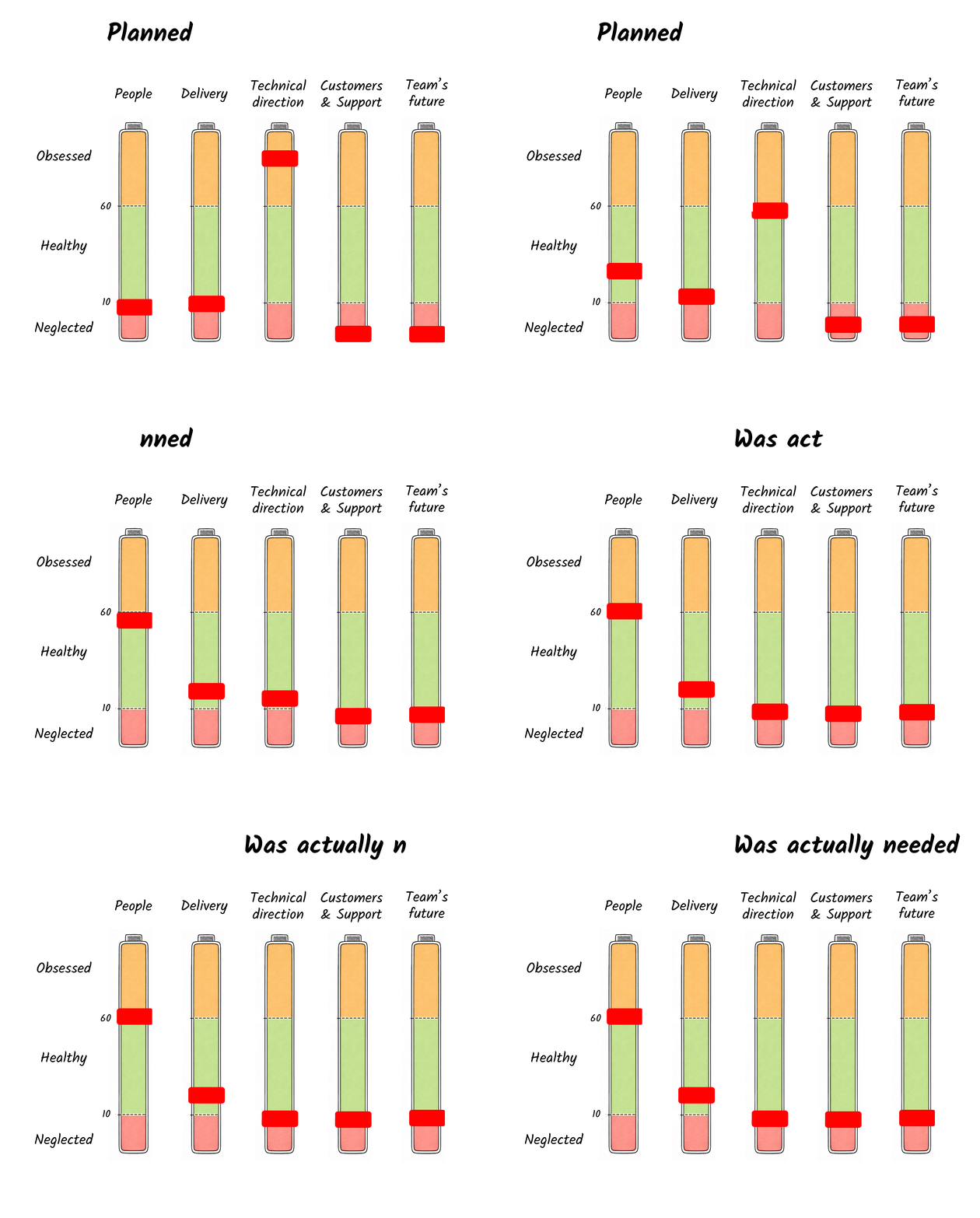
The engineering manager's attention budget
Every Engineering Manager has 5 jobs - most distribute their 100 'attention points' across only 2-3 of them
Great engineering teams focus on milestones instead of projects | Jade Rubick - Engineering Leadership
Programs are more complicated than projects which are more complicated than milestones. Instead of projects, focus on milestonesMost engineering organizations focus on delivering projects. You can get better results by focusing on milestones instead.

Engineering Career Paths at Big Tech and High-Growth Startups
Levels at big tech, the most common career paths, and what comes after making it to Staff
Engineering managers have a new job description
Why engineering managers are expected to be hands-on again and how AI tools are making it possible to stay technically sharp while still leading.

All the best engineering advice I stole from non-technical people
As I focus on becoming a better manager of engineers, I have been reflecting more and more on the advice that produced a 10X boost in my…

Engineering strategy notes.
Recently, I am thinking quite a bit about engineering strategy, and as part of that, I have started re-reading previous resources on the topic, and looking for new things to read while I refine my point of view on what makes for good engineering strategy. The best introduction to my current theory of engineering strategy is Solving the Engineering Strategy Crisis, which has both written and video versions. You can also read my other strategy writing via the strategy tag.
Write five, then synthesize: good engineering strategy is boring.
Few companies understand their engineering strategy and vision. One consequence of this uncertainty is the industry belief that these documents are difficult to write. In some conversations it can feel like you’re talking about something mystical, but these are just mundane documents. The reality is that good engineering strategy is boring, and that it’s easier to write an effective strategy than a bad one.