
I’ve been reading Steven Sinofsky’s Hardcore Software, and particularly enjoyed this quote from a memo discussed in the Zero Defects chapter: You can improve the quality of your code, and if you do, the rewards for yourself and for Microsoft will be immense. The hardest part is to decide that you want to write perfect code. If I wrote that in an internal memo, I imagine the engineering team would mutiny, but software quality is certainly an interesting topic where I continue to refine my thinking. There are so many software quality playbooks out there, and I increasingly believe that all these playbooks work in their intended context, but are often misapplied.
Notes on software quality
“The absence of problems” is the best definition I can come up with for quality.
The Case for Software Craftsmanship in the Era of Vibes
From the Zed Blog: Working toward genuine, quality software in an era where code production is not the constraint anymore.

Seeing Like a Programmer (LambdaConf 2024) — Sympolymathesy, by Chris Krycho
How do we make good software, and indeed, what makes software good: both as software, and in terms of its place in the world?

Is High Quality Software Worth the Cost?
We usually perceive that it costs more to get higher quality, but software internal quality actually reduces costs.
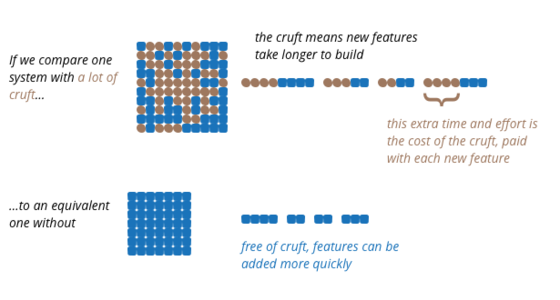
Why We Can't Have Nice Software - Andrew Kelley
The problem with software is that it's too powerful. It creates so much wealth so fast that it's virtually impossible to not distribute it.
How To Validate Product Ideas Before (And After) Building Them
People spend too much time writing software relative to speaking to potential customers, prior to launching and after it. Reversing that is a win.

Learning To Write Software… Is Hard - Zicklag's Leaflets
But it's also good — Musings about the last year of Roomy development, and more.
What We Know We Don't Know: Empirical Software Engineering
Empirical Software Engineering is the study of what actually works in programming. Instead of trusting our instincts we collect data, run studies, and peer-review our results. This talk is all about how we empirically find the facts in software and some of the challenges we face, with a particular focus on software defects and productivity. Talk doesn’t seem to be online yet; in the meantime, you can see a recording of an older version of the talk here.
Perfect Software - Software for an Audience of One
We have many names to describe personal tools. Malleable software speaks to how it behaves. Home-cooked software speaks to who makes it.
Where Did Software Go Wrong? | Jesse Li
Software is broken, but it's not because of NPM, startups, AI, or venture capitalists. A deep dive into how we think about and produce code, and how our software systems reflect the manic state of the modern world.

Tending Your Software Garden
Software: do you write it like a book, grow it like a plant, accrete it like a pearl, or construct it like a building? As Steve McConnell notes in Code Complete 2, there’s no shortage of software development metaphors: A confusing abundance of metaphors has grown up around software
</> htmx ~ Codin' Dirty
In this article, Carson Gross discusses an alternative approach to software development that challenges the principles outlined in 'Clean Code.' Carson advocates for allowing larger functions in certain cases, preferring integration tests over unit tests, and minimizing the number of classes and interfaces. He shares examples from successful software projects that demonstrate these practices can lead to maintainable, high-quality code.
We should rethink how we teach people to code | deadSimpleTech
It's fair to say that the tech industry at the moment is not in a good place. Software engineers tend to be detached, demotivated and unwilling to care much about the work they're doing beyond their paycheck. Code quality is poor on the whole, made worse by the current spate of vibe coding and whatever other febrile ideas come out of Sam Altman's brain. Much of the software that we write is either useless or actively hurts people. And the talented, creative people that we most need in the industry are pushed to the margins of it.

Not all good products make good businesses - The Intercom Blog
It's easy to assume that solving a real problem with a good product magically creates a successful software business. Sadly that’s never guaranteed.