

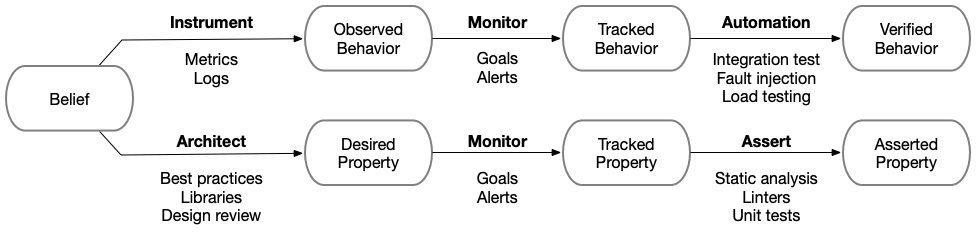
Big Ball of Mud was published twenty years ago, and rings just as true today: the most prominent architecture in successful, growth-stage companies is non-architecture. Crisp patterns are slowly overgrown by the chaotic tendrils of quick fixes, and productivity creeps towards zero.
Forks and Spoons: Uniting over AI Differences in Free Software
It’s impressive how many of the organizational techniques of large-scale software engineering have spread from its confines to the rest of society — especially given that the entire industry was an absolute trashfire of failures…
Legendary Productivity And The Fear Of Modern Programming | TechCrunch
JavaScript master Douglas Crockford once said that software is the most complex thing that humans have ever created. It’s made up of intricate bits and bytes pieced together like virtual puzzles. The greatest programming minds are capable of using software to multiply massive integers that are bigger than the universe.

Software is breaking down at a systemic level | Jimmy Breck-McKye
Developing Opinions - A blog by Jimmy Breck-McKye
Compaction Is a Financial Strategy - The Phoenix Architecture
Why smaller codebases win in the AI era
The $70B Open Source Software Paradox
It’s no news that over the last 10-15 years, particularly noticeable in the last 5 years, the enterprise software industry has gradually transformed from complex, expensive, closed-source (proprietary) software stacks to extensible/configurable,...
Platformonomics - Dining Preferences of the Cloud and Open Source: Who Eats Who?
TL;DR: If the cloud didn’t eat Hadoop Inc., Pivotal and Red Hat, what explains their diminished prospects? Marc Andresseesssen’s “software is eating the world” has given rise to an entire technolog…

The Big Rewrite, revisited
Of the many axioms in the world of software, few rise to the occasion of Thou Shall Not Rewrite Your Application. Spolsky called it the “single worst strategic mistake that any software company can make” in his seminal 2000 essay Things You Should Never Do. The Big Rewrite has been likened to al…

It's Time To Rethink Everything by @t3dotgg
“We should be more ambitious with the software we build”
AI and the Destruction of the Creative Commons
The balance of software copyright protection and openness has always been fraught with minutiae and detail that bores all but the most nerdy of pedants. Yet, through much effort and 40 years of debate we had reached an equilibrium. Now AI has thrown that out the window.
Complexity and Strategy | HackerNoon
I struggled with how to think about complexity through much of my career, especially during the ten years I spent leading Office development. Modeling complexity impacted how we planned major releases, our technical strategy as we moved to new platforms, how we thought about the impact of new technologies, how we competed with Google Apps, how we thought about open source and throughout “frank and open” discussions with Bill Gates on our long term technical strategy for building the Office applications.
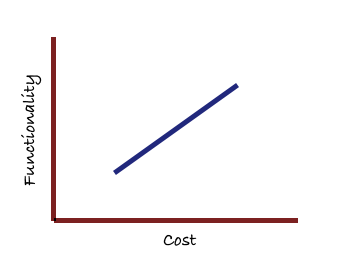
Complexity and Strategy | HackerNoon
I struggled with how to think about complexity through much of my career, especially during the ten years I spent leading Office development. Modeling complexity impacted how we planned major releases, our technical strategy as we moved to new platforms, how we thought about the impact of new technologies, how we competed with Google Apps, how we thought about open source and throughout “frank and open” discussions with Bill Gates on our long term technical strategy for building the Office applications.
How software engineering is changing: a tale of two eras
We invited readers to write about how building software changed, in an essay challenge. Many of you took part, and today we’re sharing the winning piece from a strong set of entries
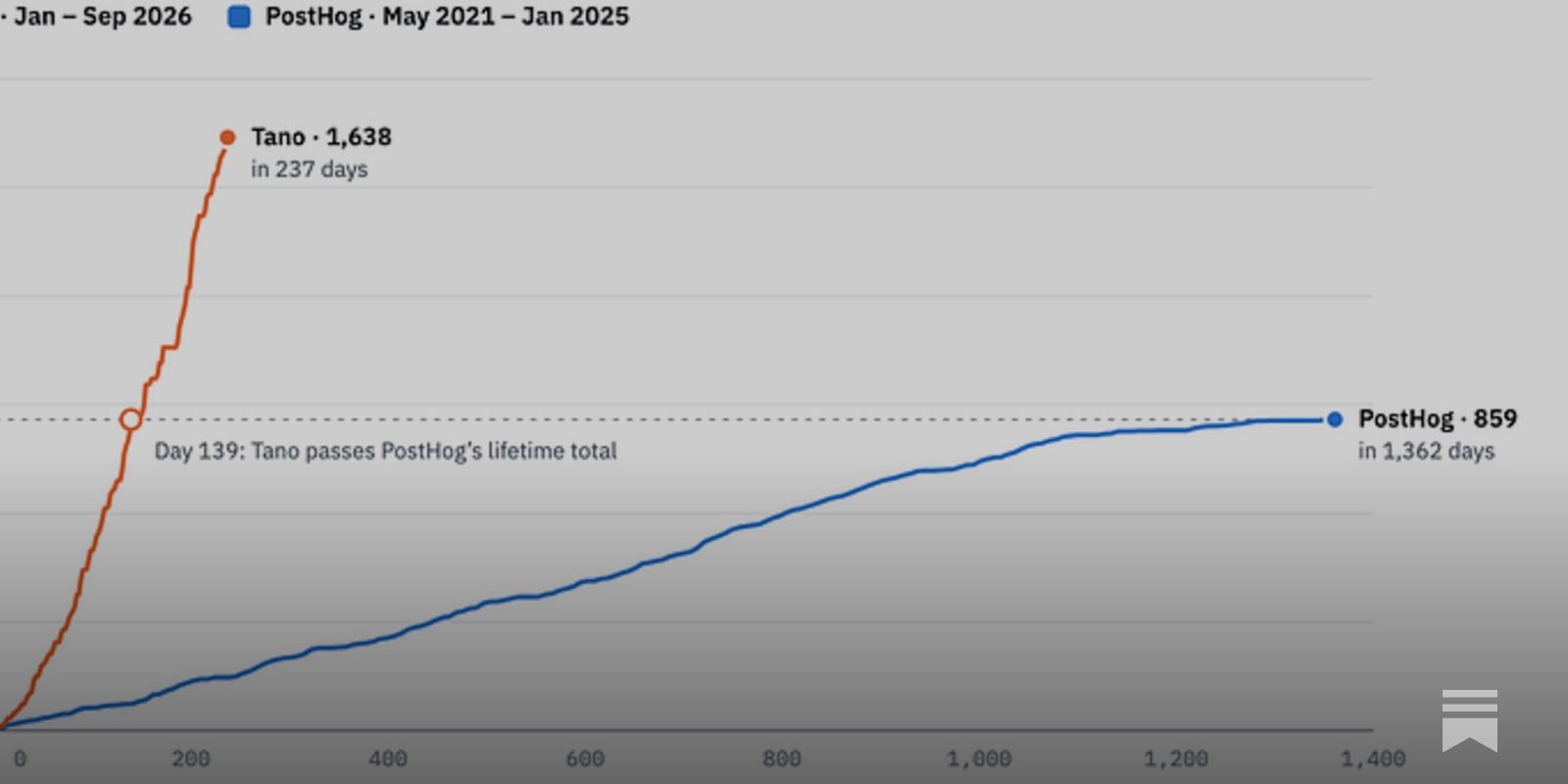
Code Was Never the Asset - The Phoenix Architecture
Why AI makes the hidden economics of software unavoidable
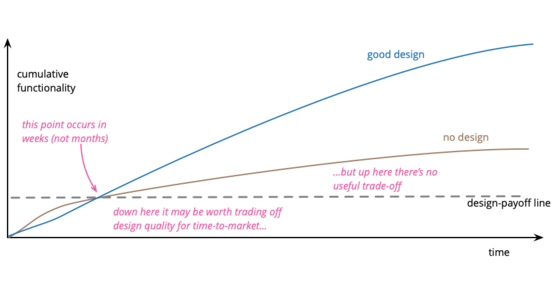
bliki: Design Stamina Hypothesis
The value of good software design is economic: you can continue to add new functionality quickly even as the code-base grows in size.
Breaking Smart: How Software is Eating the World
21 essays on the software revolution — how agile, networked approaches are disrupting industries and remaking society. In English, German, and French.
