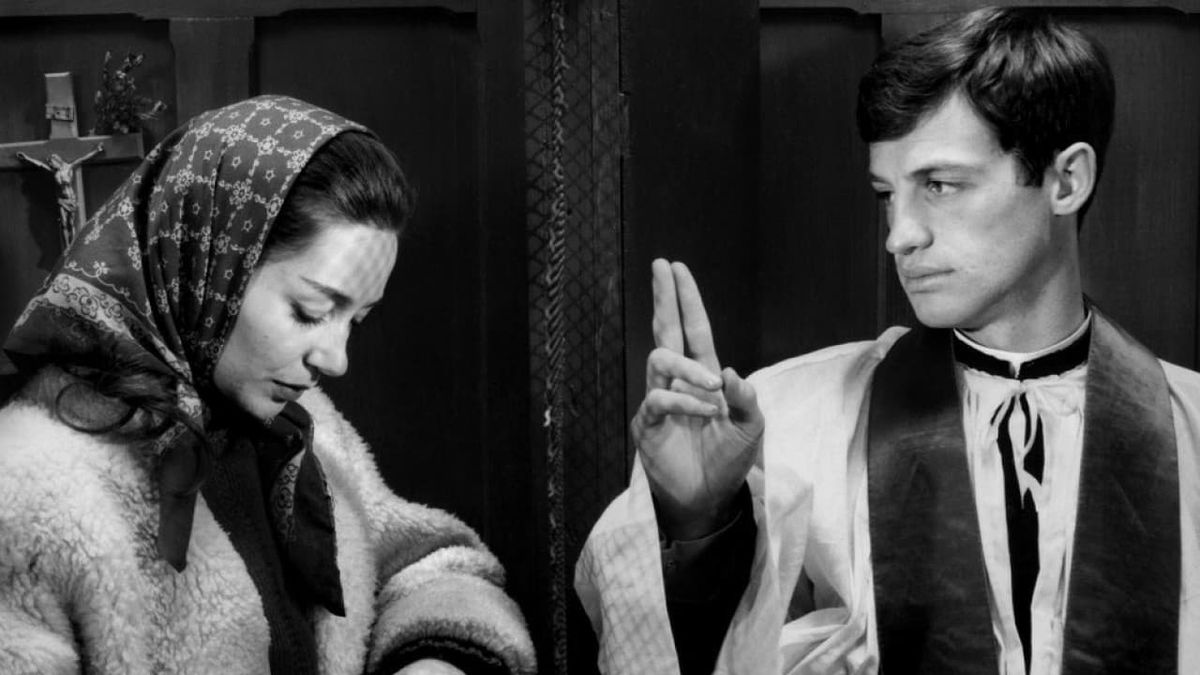
Barny, although a Marxist, is intrigued by the mysteries of religion. In confession, she teases a priest, Léon Morin, but he is a young and intelligent man and ready to discuss anything.
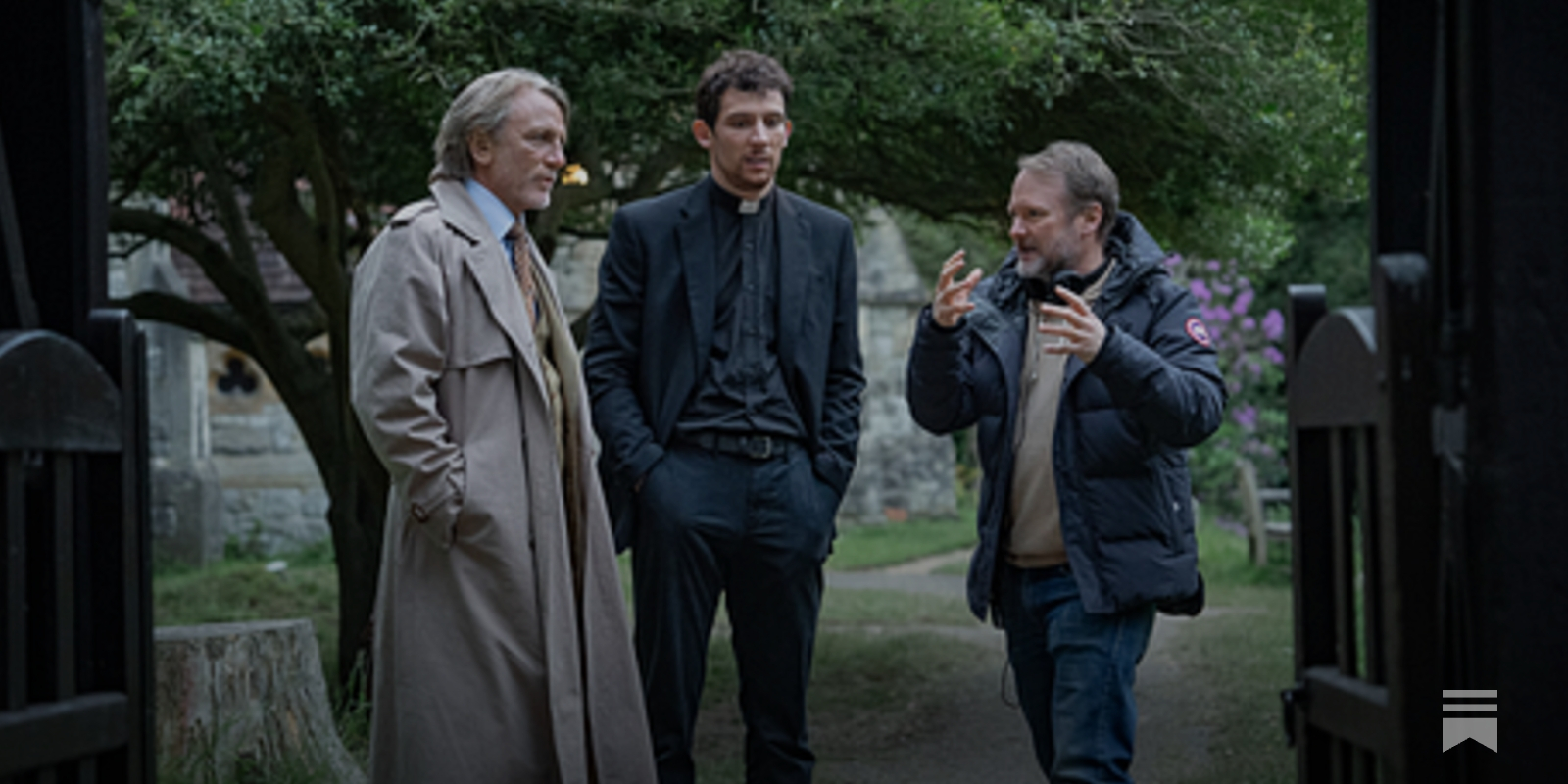
Director Interview: Rian Johnson
The writer/director of one of our favorite movies of the year talks about writing priests and conflict that feels true.
CFP: Religion, Politics, and Cognitive Warfare | The Journal for Cultural and Religious Theory | JCRT
This call for papers invites work on religion, politics, and cognitive warfare, exploring how belief, media, conspiracy, identity, and power shape struggles over reality, interpretation, and life in an age of disinformat

Entangled Magic in the Medieval Latin West
This article focusses on the history of learned magic in late medieval Europe, breaking a period of about 500 years into chronological stages to explore how medieval supporters and critics of magic represented the art and responded to each other’s arguments, then reframed their own in a continuous dynamic entanglement. In this period learned magic texts from diverse religious and cosmological traditions (primarily Christian, Jewish, Arabic and Greco-Roman) circulated among people familiar with, and emotionally invested in, a great variety of institutional and informal rituals. Sources reveal a vibrant culture of exchanges of texts between members of religious orders, physicians and lay men, clerics and lay women – a culture of entanglement: discussion, borrowing, critique and adaptation alongside practitioner-client relationships and necessary secrecy and concealment.

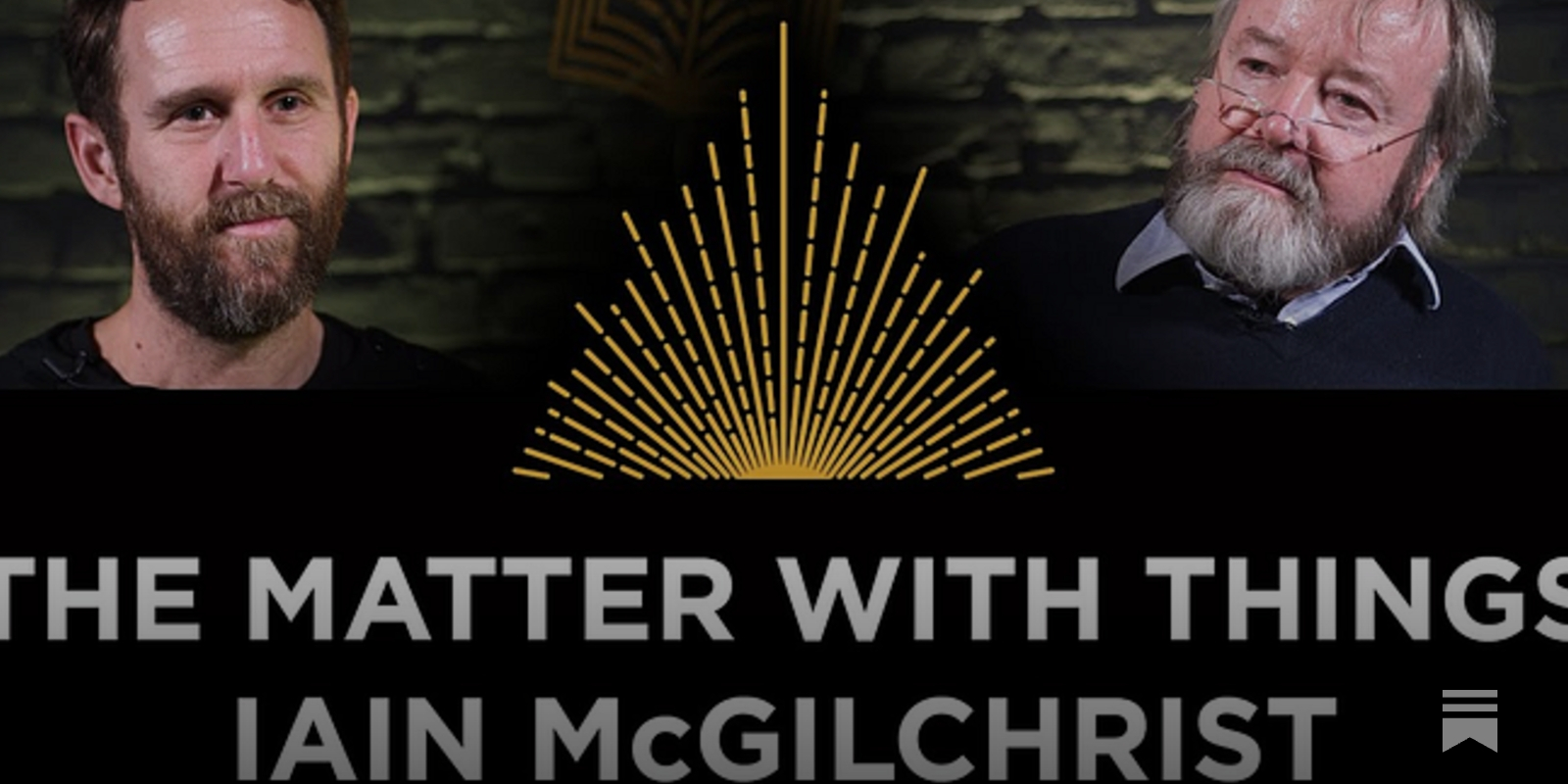
On Enchanted Flatland: Iain McGilchrist & the Problem of Romantic Liberalism
A follow-up to my contribution to Rosy Cross: Question of Right & Truth of Christianity
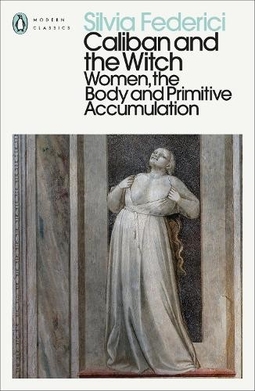
Caliban and the Witch
Caliban and the Witch: Women, the Body and Primitive Accumulation is a 2004 book by Italian-American intellectual Silvia Federici. Responding to both feminist and Marxist traditions, the book offers a critical alternative to Karl Marx's theory of primitive accumulation.
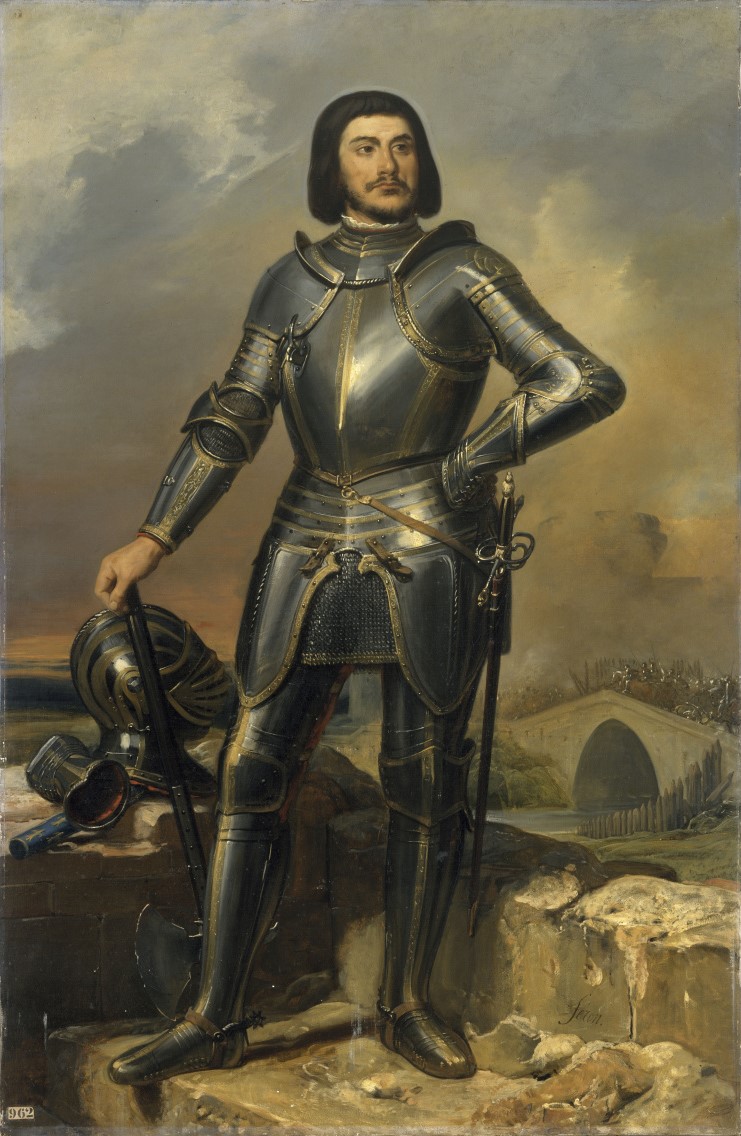
Gilles de Rais
Gilles de Rais, Baron de Rais was a French knight and lord from Brittany, Anjou and Poitou. He served as one of the captains in the French royal army during the Hundred Years' War, notably participating in military operations alongside Joan of Arc. He remains chiefly known for his conviction on charges of the rape and murder of several children.
Against the brainrot
Reading the Autumn in the Heavenly Kingdom by Stephen Platt (highly recommended), I was particularly impressed by the rules of life of Zeng Guofan, the conqueror of Taipings.

The Real Stakes, and Real Story, of Peter Thiel’s Antichrist Obsession
Thirty years ago, a peace-loving Austrian theologian spoke to Peter Thiel about the apocalyptic theories of Nazi jurist Carl Schmitt. They’ve been a road map for the billionaire ever since.

Alice Merton - No Roots
Ari Aster on Eddington
Ari Aster's Eddington, in which Joaquin Phoenix's conspiracist sheriff and Pedro Pascal's tech-friendly centrist lock horns in an election, lays bare the deep divisions in the American psyche. The director discusses the project's origins and why he feels we're living on the cusp of something new, alarming and deeply strange.

CFP: Religion, Politics, and Cognitive Warfare: Information, Interpretation, Conspiracy, and the Struggle for Reality
The Journal for Cultural and Religious Theory (JCRT) invites proposals for an online conference entitled Religion, Politics, and Cognitive Warfare: Information, Interpretation, Conspiracy, and the Struggle for Reality. The proceedings will be considered for publication in a special issue of the JCRT. This conference investigates how beliefs, paranoia, and conspiratorial modes of knowing shape a contemporary cognitive battlespace in which actors struggle to define truth, authority, and reality itself. Drawing on Michel Foucault's Lectures on the Will to Know and Julia Kristeva's This Incredible Need to Believe (2024), we focus on practices of selective fact use and "truth-selecting" that construct alternative epistemic orders while claiming privileged access to what is "really" going on. Rather than treating conspiracy thinking as merely political or psychological, the conference foregrounds its religious dimensions: faith in hidden powers, moral dualism, apocalyptic expectation, and hermeneutical struggle over revelatory access to the real. Conspiracy cultures routinely reproduce theological structures of knowing—visions of salvation and corruption, truth and deception, initiation and blindness. At the same time, new forms of "cognitive warfare" reframe these religious energies within state and platform attempts to govern perception, attention, and trust. Artificial intelligence, algorithmic media, and strategic information campaigns do not only deliver messages; they create digital ecologies in which suspicion becomes faith-like and revelation is continual. The conference organizers are seeking proposals of high academic quality that take a reflective and analytical approach to both general and specific topics with international appeal or focus. We encourage contributions from scholars of religious studies, philosophy, communication, sociology, security studies, psychology, media, and related fields. Submissions should engage religion as a dynamic force—conceptually, historically, or materially—within the cognitive battlespaces of our time. We encourage contributions from a spectrum of perspectives, approaches, and methodologies. We are not interested in papers that simply rehearse or promote particular conspiracies, or that use the conference as a platform for calling out disliked groups. We are not interested in polemics, jeremiad, or de facto advocacy pieces. Instead, we welcome theoretically informed and methodologically rigorous work that takes the religious and epistemic dimensions of cognitive conflict seriously as objects of critical inquiry.
Prophet Motives & Knightwork States
The Chain Mail Gaze I: Technology, Capital, Spirituality: An Unholy Trinity?
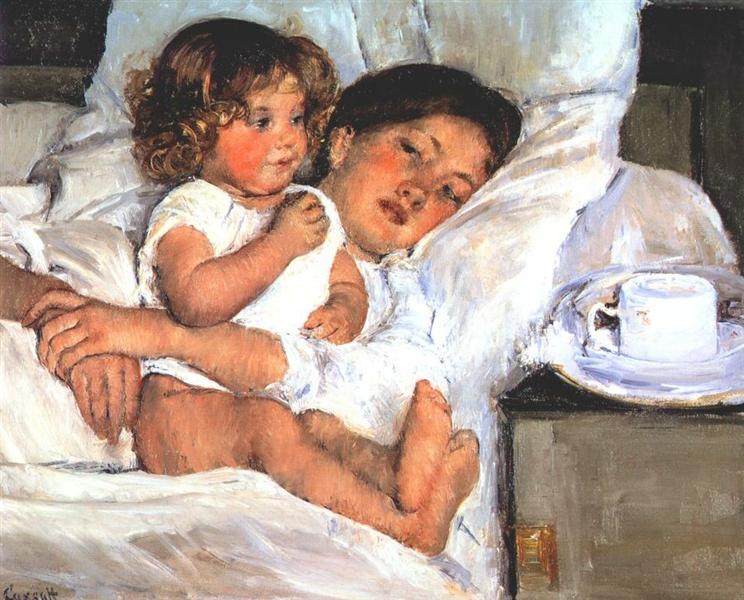
Breakfast in Bed, 1897 - Mary Cassatt - WikiArt.org
‘Breakfast in Bed’ was created in 1897 by Mary Cassatt in Impressionism style. Find more prominent pieces of genre painting at Wikiart.org – best visual art database.
The Zizians and the Rationalist death cults
What is the deal with Rationalism and cults?