


Attacking civilians is a clear LOAC violation, but intentionally spreading terror amongst the civilian population is a more nuanced violation.
Russia’s FPV drone campaign in Ukraine institutionalizes intentional civilian harm as a tool of war
Russia's use of FPV drones to strike civilian targets in Ukraine indicates a culture seeking to weaponize civilian harm as a tool of war.
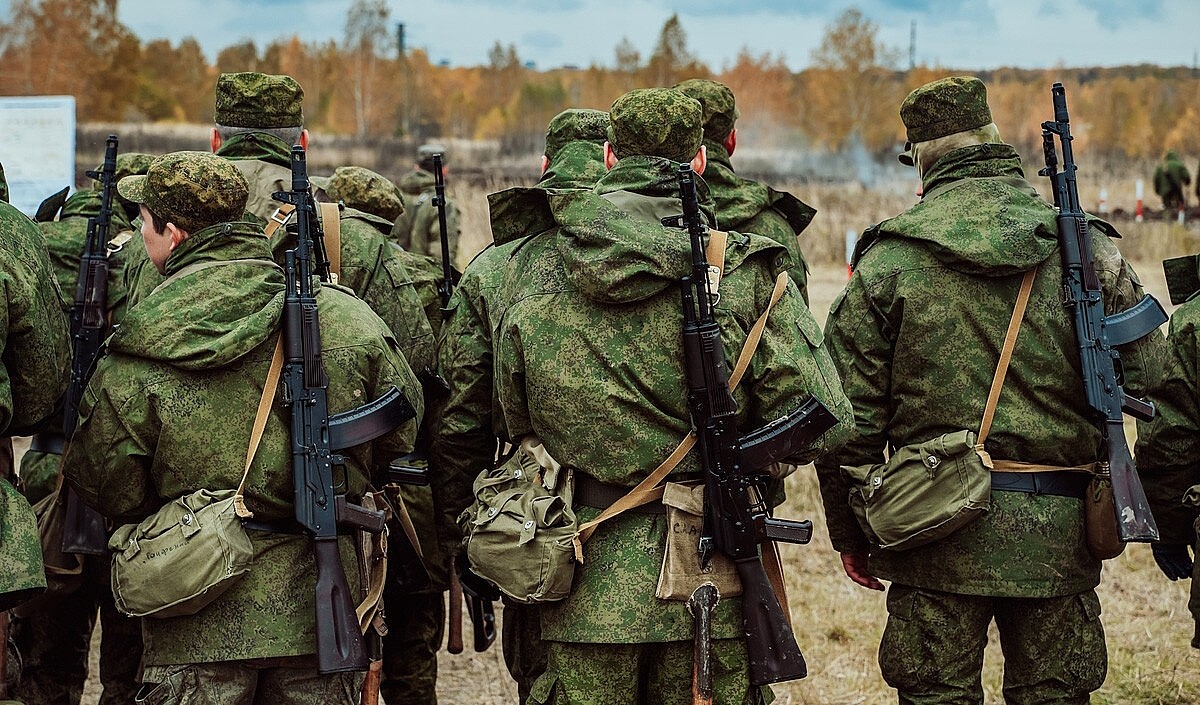
The war in Ukraine as an example of the problematic nature of the effective use of mobilized civilians
The war in Ukraine has underscored not only the strategic and military differences between professional soldiers and mobilized civilians but also the complex…
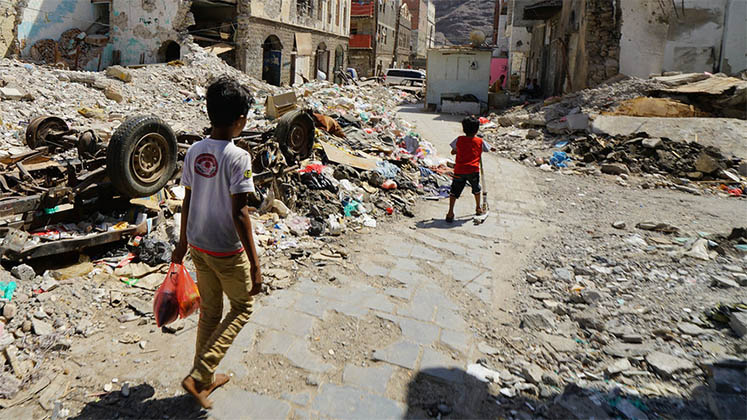
Opportunities to Improve Military Policies and Practices to Reduce Civilian Harm From Explosive Weapons in Urban Conflict
This research paper seeks to contribute to further thinking and dialogue among States and their militaries that conduct operations in urbanized environments on what more can be done to reduce civilian harm by proposing practical measures in the form of options for consideration. UNIDIR seeks to enhance knowledge on ways to reduce risks and mitigate harm to civilians from the effects of explosive weapons in urbanized environments. This research frames the issue of explosive weapons in the broader context of protection of civilians in urban conflict and focuses on multilateral operations. The research takes a comprehensive approach to civilian protection from a ‘risk reduction’ perspective—that is, seeking to understand where the risks and uncertainties lie in the entire ‘civilian protection life cycle’, recognizing that civilian harm is the cumulative effect of numerous risks and decisions made from formulating mandates, planning, execution, assessment and response to lessons learned and institutional learning. Particular focus is placed on the targeting and weaponeering processes. Citation: Roger Lane, Larry Lewis and Himayu Shiotani (2019) "Opportunities to Improve Military Policies and Practices to Reduce Civilian Harm From Explosive Weapons in Urban Conflict", UNIDIR, Geneva, Switzerland. https://doi.org/10.37559/CAAP/19/PACAV/11 TRANSLATIONS To read the report in French, click here.
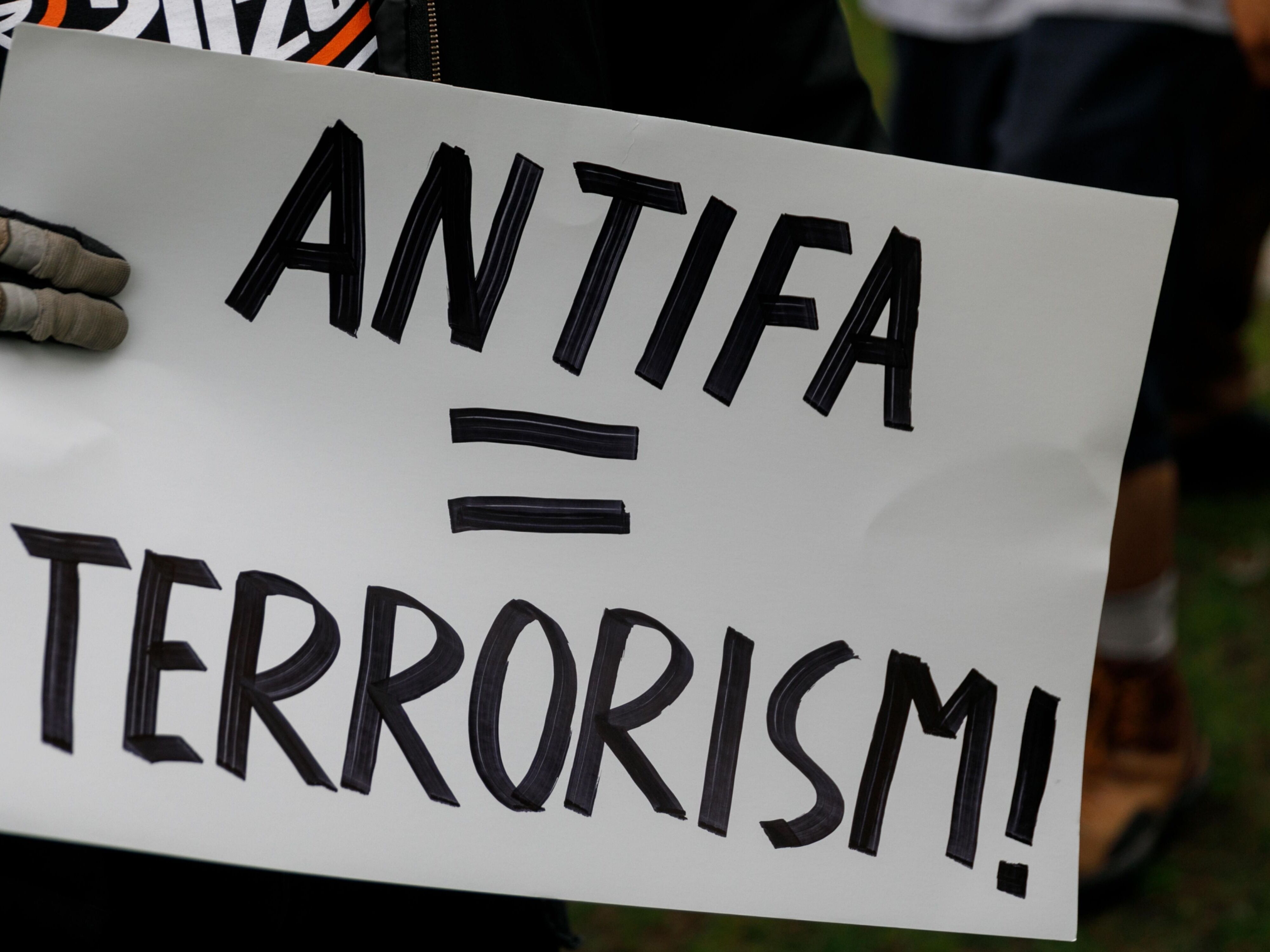
25 years after 9/11, our definition of terrorism continues to expand : Code Switch
In the 25 years since 9/11, we've seen the definition of terrorism expand. The Trump administration has called more and more groups “terrorists,” from “narco-terrorists” in Ecuador to people who protest ICE to the entire Democratic party. This week, our conversation with Saher Selod, an expert on the surveillance of Muslims, about the effects of the war on terror after 9/11, and historian Alex Lubin about how the word “terrorist” has been used to enact violence and surveillance.Support public media with NPR+ and enjoy perks for over 25 podcasts like this one. This show’s perks include sponsor-free listening. Learn more at plus.npr.org.
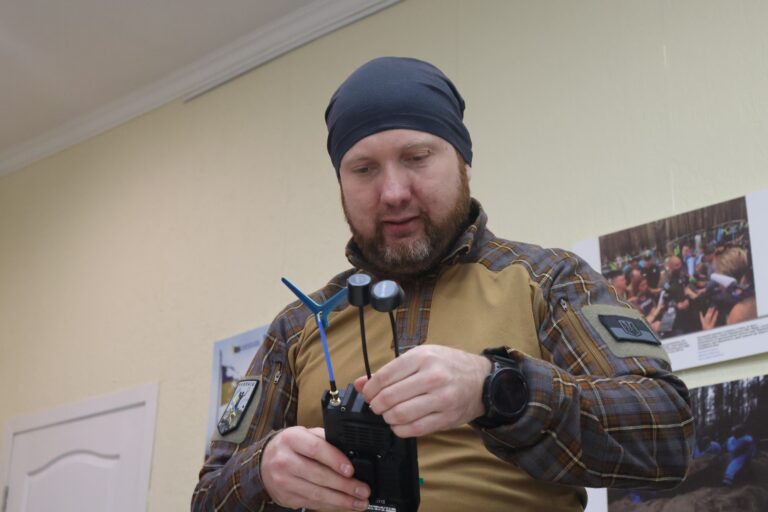
War correspondents given 5 drone detectors – NUJU and Ukrainian manufacturer’s initiative
The sharp increase in drone attacks in frontline areas creates a new, even more dangerous reality for journalists. In response to the escalation of threats
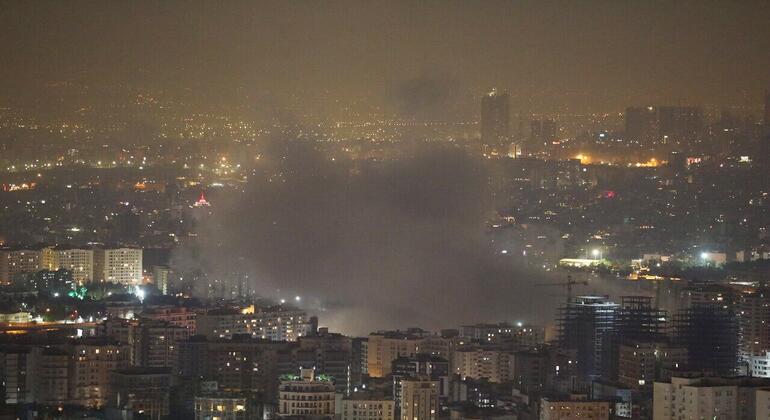
Deadly bombing of Iran primary school ‘a grave violation of humanitarian law’: UNESCO
The UN education agency, UNESCO, says that the bombing of a primary school during the US and Israeli military attacks on Iran on Saturday constitutes a grave violation of humanitarian law.
The Dangers of Florida’s New “Terrorist” Designations
Anyone who cares about the First Amendment should be concerned about HB 1471 and the spread of state-level terrorism designation laws.
The Political Declaration — UNODA
Political Declaration on Strengthening the Protection of Civilians from the Humanitarian Consequences Arising from the Use of Explosive Weapons in Populated Areas
Open Letter: Communications Infrastructure Is Not Terrorism

Remotely Coerced Violence: 764, The Com Network, and the Hybridization of Threats - Combating Terrorism Center at West Point
Abstract: This article examines 764 and the wider Com Network as a case study in remotely coerced violence and the hybridization of contemporary terrorist and violent extremist threats. It argues that nihilistic violent extremism is best understood as a victim-driven, youth-centered online ecosystem in which status, belonging, and identity are earned through the production, circulation, … Continued
Opinion | An Online Loophole That Promotes Violence
Section 230 shouldn’t preclude liability for algorithms that push harmful content.
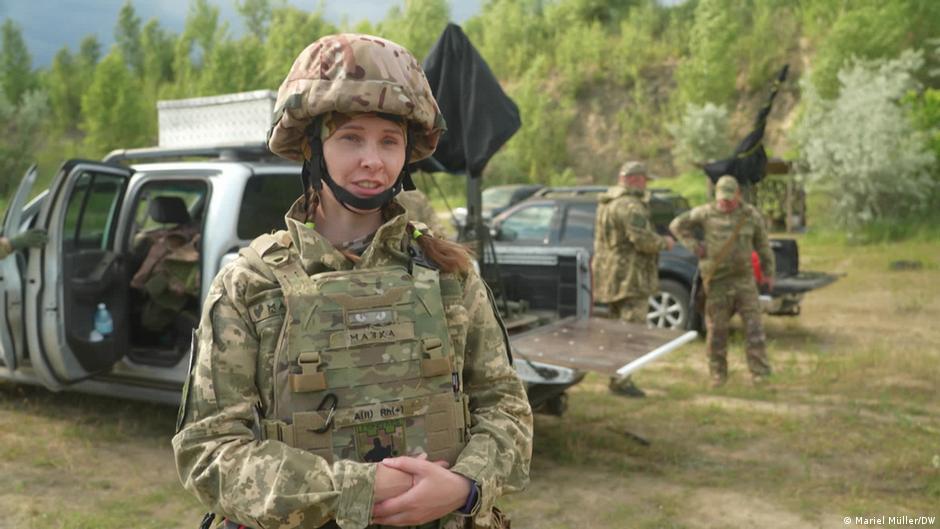
Meet the Ukrainian volunteers shooting down Russian drones
Russia's military launches a steady stream of drones and missiles at Ukraine, killing dozens of people and injuring hundreds. It's often up to volunteers to try and keep the country's skies safe — ordinary citizens who have only old weapons at their disposal. DW traveled to the town of Pereyaslav to meet one of the volunteer teams.
On Western Terrorism: From Hiroshima to Drone Warfare
In On Western Terrorism Noam Chomsky, world renowned dissident intellectual, discusses Western power and propaganda with filmmaker and investigative journalist Andre Vltchek. The discussion weaves together a historical narrative with the two men's personal experiences which led them to a life of activism. The discussion includes personal memories, such as the New York newsstand where Chomsky began his political education, and broadens out to look at the shifting forms of imperial control and the Western propaganda apparatus. Along the way the discussion touches on many countries of which the authors have personal experience, from Nicaragua and Cuba, to China, Chile, Turkey and many more. A blast of fresh air which blows away the cobwebs of propaganda and deception, On Western Terrorism is a powerful critique of the West's role in the world which will inspire all those who read it to think independently and critically.
DHH Nazism Funded by 1Password VP Who Wrote “Honest Security”
Jason Meller wrote a security rulebook. I read it. He is in direct violation of it.
