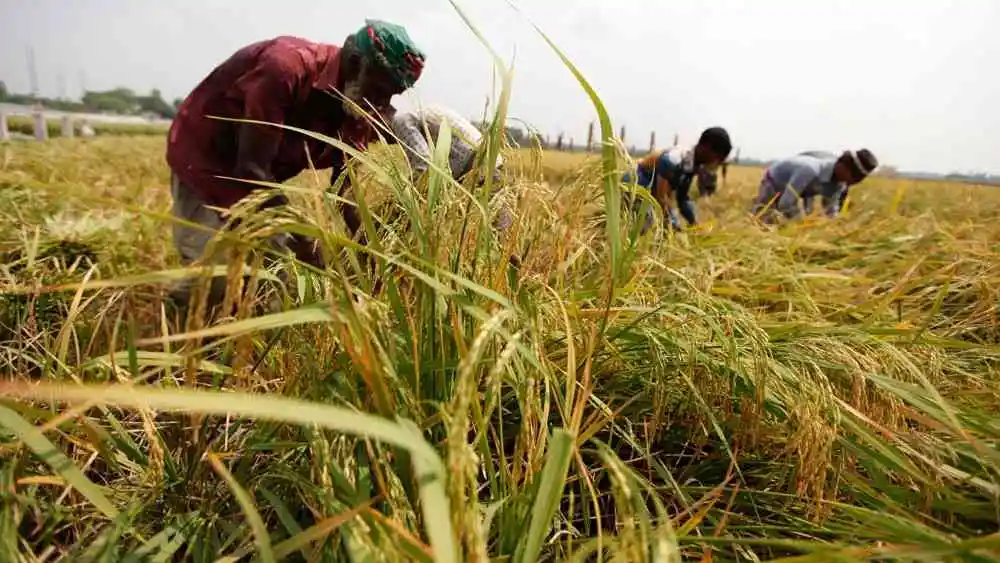
Investments in manufacturing and service sectors have rapidly increased, however, agricultural cash crops of Bangladesh remain vital.
Tea production in Bangladesh
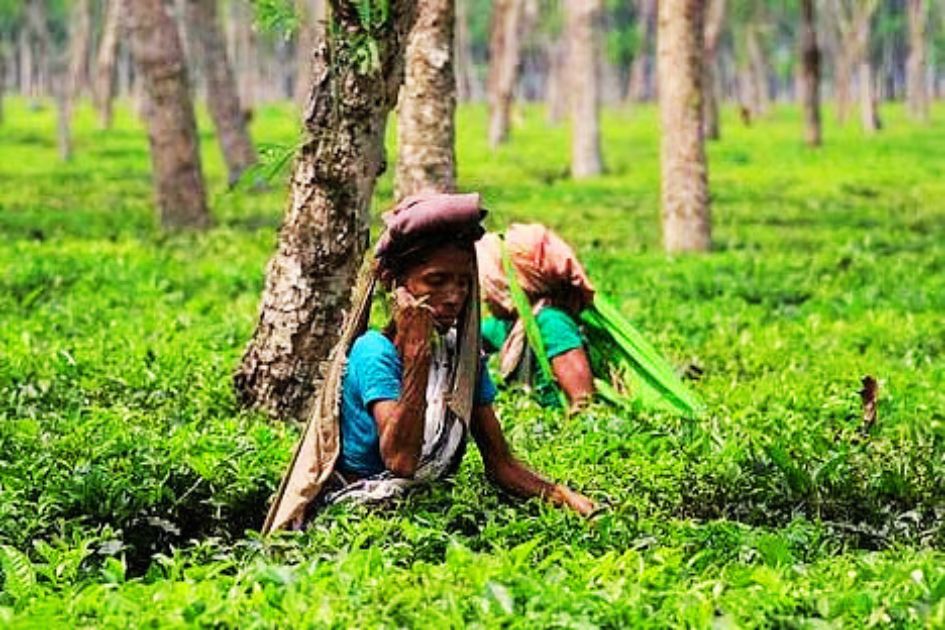
Bangladesh is an important tea-producing country. It is the 9th largest tea producer in the world, producing a total of 97.08 million kgs in 2019. Its tea industry dates back to British rule, when the East India Company initiated the tea trade in the hills of the Sylhet region. In addition to that, tea cultivation was introduced to Greater Chittagong in 1840. Today, the country has 166 commercial tea estates, including many of the world's largest working plantations. The industry accounts for 3% of global tea production, and employs more than 4 million people.

Agriculture research summaries
Read short summaries of agricultural studies tailored to B.C. farmers and producers.
Cek Produk - Badan Pengawas Obat dan Makanan RI
Islamization of Bangladesh’s Electoral Politics and its Anti-trans Implications - শুদ্ধস্বর
As the aspirations behind Bangladesh’s July uprising failed to materialize, Trans Bangladeshi citizens must rely on coalition-building efforts to make their voices heard.

INVESTING IN REGENERATIVE AGRICULTURE AND FOOD
THE INVESTING IN REGENERATIVE AGRICULTURE AND FOOD PODCASTThrough 400+ interviews with farmers, investors, scientists, and entrepreneurs, the podcast puts the spotlight on the pioneers in the regenerative food and agriculture space to learn more on how to put our money to work to regenerate soil, people, local communities and ecosystems while making an appropriate and fair return.
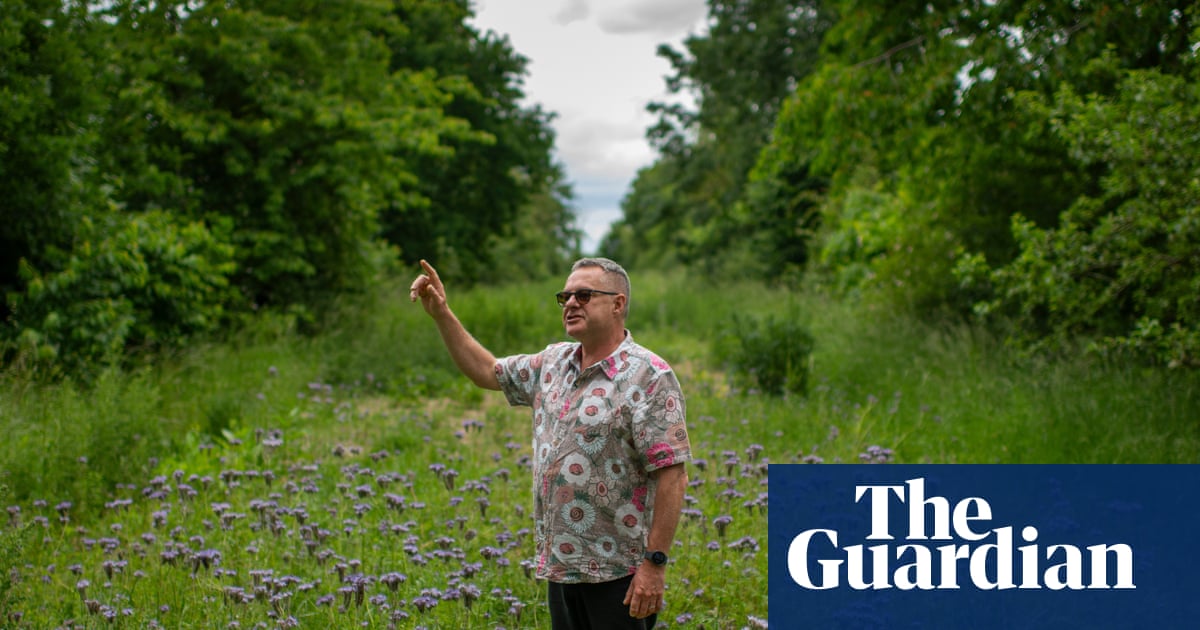
‘Doves and food and fun’: the fight to save a farming pioneer
Wakelyns needs £1.2m to save its diverse organic crops and ‘micro’ enterprises including a bakery and honeybee hives
Labor-Value Commodity Chains: The Hidden Abode of Global Production - Monthly Review
Intan Suwandi is a frequent contributor to Monthly Review. This article is adapted from her book, Value Chains: The New Economic Imperialism, winner of the 2018 Paul M. Sweezy-Paul A.... READ MORE

Why social theories become ‘scripture’ for Bangladesh’s self-styled Left
There is a ‘curious intellectual confidence’ among Bangladesh’s self-styled leftists. They have the confidence of someone who has read three-quarters of a Europ

The brutal trade-off that will decide the future of food
A growing number of thinkers say factory farming can help save the planet. Are they right?

Sweat Equity — FARMore
The Sweat Equity Program is a volunteer-driven initiative providing hands-on assistance to farmers who need it most. More than just lending a hand, it shows how vital, soulful, and impactful farming is for all of us. This program bridges the gap between urban and rural communities through meaningful service and education. Together, we are building relationships based on reciprocity and inspiring:
Cek Produk Halal | Search Product | Lembaga Pemeriksa Halal (LPH) LPPOM Sertifikasi Halal
Gedung Global Halal Centre Jl. Pemuda No.5, Sempur, Bogor Tengah, Kota Bogor, Jawa Barat 16161

Colonial scars still shape Bangladesh tea workers’ struggle for rights
Bangladesh tea workers renew wage, union and land demands amid colonial-era labour legacies.
Alliance of Native Seedkeepers
Discover unique heirloom and non-GMO seeds at Alliance of Native Seedkeepers. As a Native American-led store, we specialize in over 1,500 varieties, preserving the rich heritage and biodiversity of indigenous agriculture. Shop now to contribute to sustainable, community-focused farming practices.
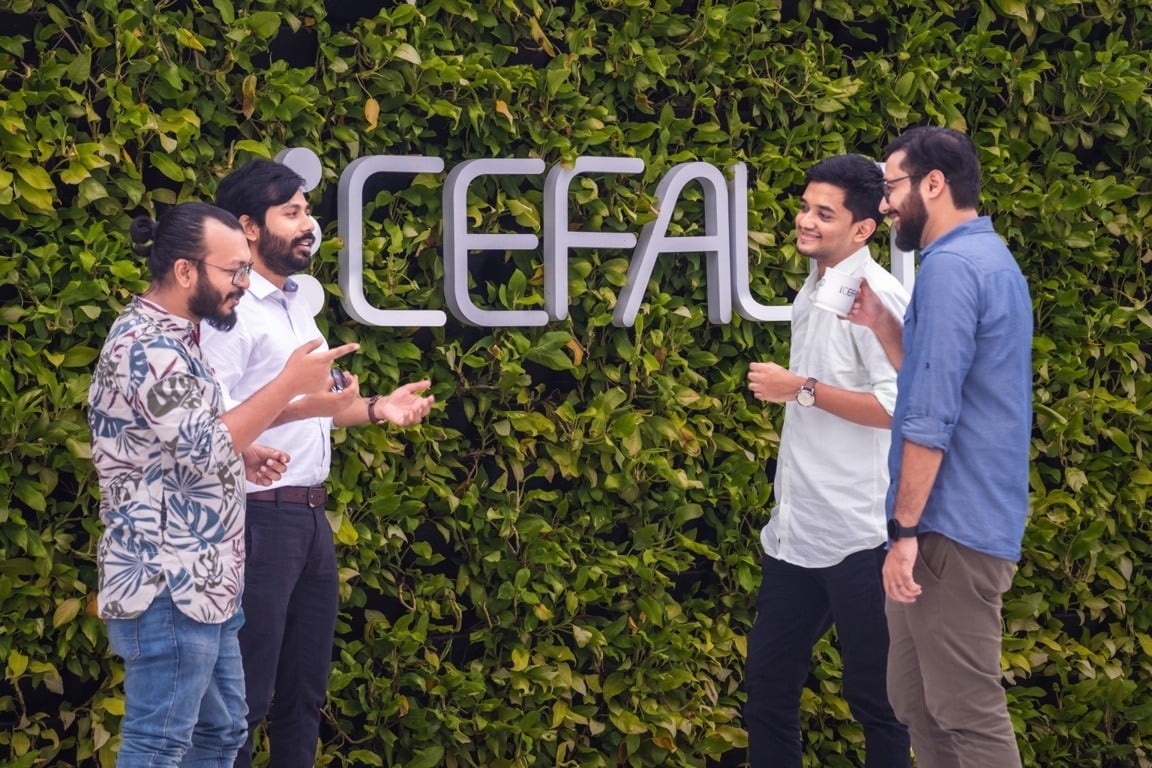
Cefalo | Experts in External Development Teams
Get an external development team from Cefalo in Bangladesh. Combine high expertise with low costs to drive innovation with skilled developers.
Young Agrarians
Young Agrarians is a farmer to farmer educational resource network for new and young ecological, organic and regenerative farmers in Canada.

A social-ecological framework for analyzing and designing integrated crop–livestock systems from farm to territory levels
Integrated crop–livestock systems are often considered a promising way to address agricultural sustainability issues. Many authors claim that complementarities and synergies between crops and livestock can improve nutrient cycling and delivery of ecosystem services (ES) in agricultural systems. They have analyzed effects of interactions at the farm level and affirmed the potential advantage of developing crop–livestock interactions at the territory level. However, potential benefits of developing synergies beyond the farm level have not been clearly identified. Thus, we developed a conceptual framework that can be used to analyze, design and perform integrated assessment of crop–livestock systems at the territory level. To address crop–livestock interaction issues, we define it as a social-ecological system called the territorial crop–livestock system (TCLS). The ecological system is represented as three interacting components, crops, grasslands and animals, allowing description of various land uses and their potential effects on nutrient cycling and ES. The social system, represented as farmers interacting with natural-resource managers and agro-food chain actors, determines land use and the nature and intensity of ES delivered. We highlight the importance of coordination and learning among actors to support implementation of complex adaptive systems such as TCLSs. We illustrate the expressive power of our conceptual framework through development of a generic typology of crop–livestock systems. Then we show how our conceptual framework can be used as an intermediary object with stakeholders in participatory design approaches. We illustrate this process by representing four archetypal TCLSs. We provide an example of the design approach implemented in Southwestern France to address severe recurrent water shortages, which includes analysis of land use in the current crop–livestock system and the associated key metabolic and ES issues, identification of options for change and multi-criteria analysis of these options. We conclude that this framework shows great potential to support development of sustainable farming systems at the territory level.