

Today, the European Commission took two decisions finding non-compliance by Google with the Digital Markets Act (DMA) for self-preferencing its own services on Google Search, and for putting in place restrictions on businesses to direct consumers to alternative, often cheaper, purchase channels on Google Play (steering). In this regard, the Commission issued Google a fine of €460 million and a fine of €430 million respectively.
Google Faces New EU Antitrust Probe Over Search Ad Pricing Practices
Google, the target for billions of euros in European Union antitrust fines, has been hit by a fresh EU probe over concerns it’s illegally rigging the cost of advertising on its search engine.
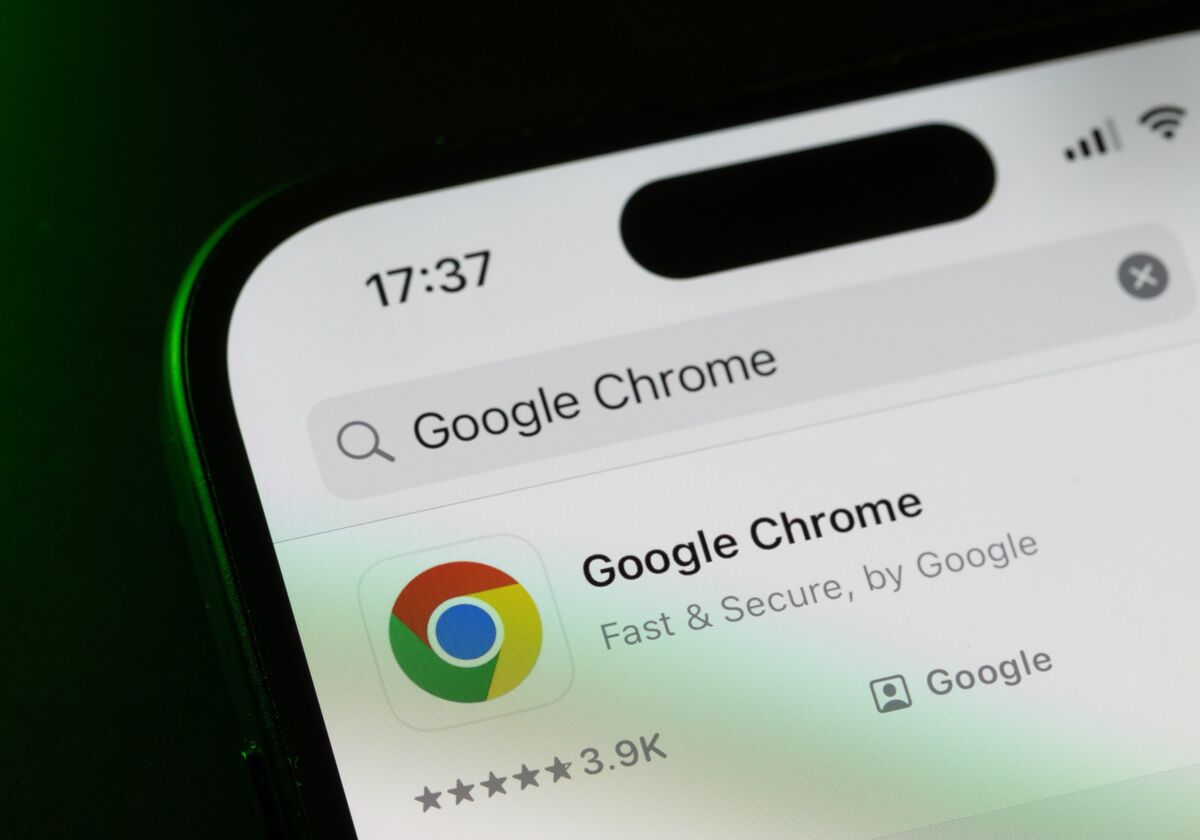
The Technical Feasibility of Divesting Google Chrome – Knight-Georgetown Institute
As the European Commission advances efforts under the Digital Markets Act to require Google to share its search data with competitors, lessons from historic antitrust remedies underscore how data access could be transformational in the AI-powered search market. While the Commission’s proposals represent a novel and comprehensive approach, key improvements to data scope and sharing frequency, privacy protections, and dispute resolution are needed. US courts and enforcers charged with implementing similar provisions should take note.

Google Backs Down: Will Grant Hotseat in EU Browser Choice Screen - Open Web Advocacy
In a significant win for smaller browsers, the open web, and the EU’s Digital Markets Act (DMA), Google has agreed to place the browser selected through the EU…
The European Commission Versus Android
Examining the history of Android explains why the European Commission may be right to fine Google for its actions around Android, even as the reasoning feels off.

X Marks the Spot: Unpacking the EU's First DSA Fine
Explore the implications of the European Commission's €120 million fine on X for DSA violations. Discover the legal reasoning and future enforcement trends.

The Digital Services Act and Theories of Power
The European Commission put a 120M EUR fine on X for DSA violations. But as the European politicians cannot get themselves to leave the platform, it shows the issues with how they understand how power works on social platforms.

Google, Facebook, and Amazon benefit from an outdated definition of “monopoly”
A few weeks ago, Italy fined Apple and Samsung €15 million for the “planned obsolescence” of their smartphones. The antitrust regulators allege that both companies pushed users to download software that slowed phone performance, forcing customers to buy replacement phones sooner.

Youtube Tracked 45 Million Kids, $30 For Your Kid, $9 Million for the Lawyers
Pluralistic: The worst possible antitrust outcome (03 Sep 2025) – Pluralistic: Daily links from Cory Doctorow
Last year, Google lost an antitrust case to Biden's DoJ. The DoJ lawyers beat Google like a drum, proving beyond a shadow of a doubt that Google had deliberately sought to create and maintain a monopoly over search, and that they'd used that monopoly to make search materially worse, while locking competitors out of the market.
How Big Tech Becomes Ungovernable
Big Tech companies like Google, SpaceX, and Meta aren't just monopolies—they're becoming ungovernable through tech extensivity. Why €4B in fines went uncollected.

From Brussels Template to UK Tailoring: How the DMCCA Is (Re)writing the Rules for Big Tech - The Platform Law Blog
By Dr. Konstantina Bania The UK has built a “rival” to the EU’s Digital Markets Act – and it is now starting to use it. Under the Digital Markets, Competition and Consumers Act (DMCCA), the Competition and Markets Authority (CMA) is moving from abstract principles to concrete, platform‑specific rules for some of the most powerful […]

The DOJ Still Wants Google to Sell Off Chrome
In its final proposed remedy filing in the Google antitrust case, the Department of Justice reiterated that Google should stop paying partners for search placement—and divest its dominant Chrome browser.

Google accused of ‘predatory conduct’ over Gmail API withdrawal
Google has exploited a regulatory gap to withdraw access to the Gmail API, according to UK startup Gener8.

Digital sovereignty can’t be bargained away
The European Commission has tools, public support and a mandate to act on Big Tech. Trading that away for short-term calm would be a costly mistake.

The EU's Digital Markets Act is delivering real wins for consumers in the EU, and in some cases globally. Apple and Google are opening up functionality that was previously reserved for their own products. But one glaring failure remains: browser engines on iOS. 🧵👇️ (1/23)

The Digital Markets Act Is Delivering Real Wins, But Not Yet for Browser Engines - Open Web Advocacy
open-web-advocacy.orgIn a significant win for smaller browsers, the open web, and the 🇪🇺EU’s Digital Markets Act (DMA), Google has agreed to place the browser selected through the EU browser choice screen directly in the Pixel homescreen hotseat (replacing Chrome). open-web-advocacy.org/blog/google-backs-down--will-… 🧵👇 (1/7)

Google Backs Down: Will Grant Hotseat in EU Browser Choice Screen - Open Web Advocacy
open-web-advocacy.org