

This essay proposes a cultural and historical explanation for the American Military's fascination with computing. Three key elements of post-WWII US political culture — apocalyptic struggle with the USSR, subsuming all other conflicts: a long history of antimilitarist sentiment in American politics; and the rise of science-based military power — contributed to a sense of the world as a closed system accessible to American technological control. A developing scientific systems discourse, centrally including computer science and AI, was adopted for strategic thinking and military technology. The Strategic Computing and Strategic Defense Initiatives are discussed as contemporary examples of this conjunction.
LotusNotes
I tend to focus on the origin of the computer within the military. Particularly in the early days of digital computing, the military was a key customer, and fundamental concepts of modern computing arose in universities and laboratories serving military contracts. Of course, the war would not last forever, and computing had applications in so many other fields—fields that, nonetheless, started out as beneficiaries of military largesse.
War in the age of intelligent machines
271 pages : 24 cm; In the aftermath of the methodical destruction of Iraq during the Persian Gulf War, the power and efficiency of new computerized weapons and suveillance technology has become chillingly apparent. This new weaponry has a significance that goes far beyond military applications; it represents a profound historical shift in the relation of human beings both to machines and to information. Details the mutating history of information analysis and machinic organization from the mobile siege artillery of the Renaissance, the clockwork armies of the Thirty Years War, the Napoleonic campaigns, and the Nazi blitzkrieg up to present-day cybernetic battle-management systems and satellite reconnaissance network, and provides a philosophical and historical reflection on the changing forms through which human bodies and materials are combined, organized, deployed and made effective. [back cover]; Includes bibliographical references (pages 233-266) and index; Introduction -- Collision course -- Bloodless transfusion -- Policing the spectrum

AI, Geopolitics, and National Security (Chapter 8)
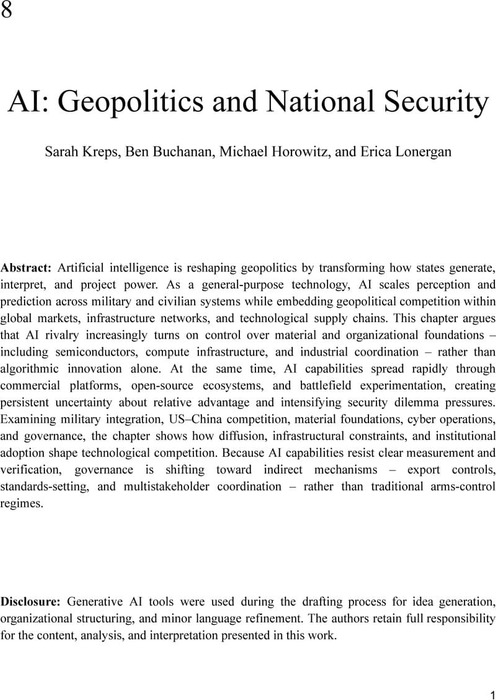
Artificial intelligence is reshaping geopolitics by transforming how states generate, interpret, and project power. Rather than producing a single new weapon, AI operates as a general-purpose technology that scales perception, prediction, and decision-making across military, civilian, and informational domains. This chapter argues that AI rivalry increasingly depends on control over material and organizational foundations, including semiconductors, compute infrastructure, data centers, industrial coordination, and institutional adoption. It examines battlefield integration, U.S.–China competition, semiconductor statecraft, cyber operations, information power, and governance. The chapter shows that AI capabilities diffuse rapidly through commercial platforms, open-source ecosystems, and wartime experimentation, while frontier development remains constrained by infrastructure and supply-chain chokepoints. Because AI capability is difficult to measure or verify, governance is shifting away from traditional arms-control models toward export controls, standards, voluntary commitments, and multistakeholder coordination.
The shifting battlefield: technology, tactics, and the risk of blurring lines in warfare - Humanitarian Law & Policy Blog
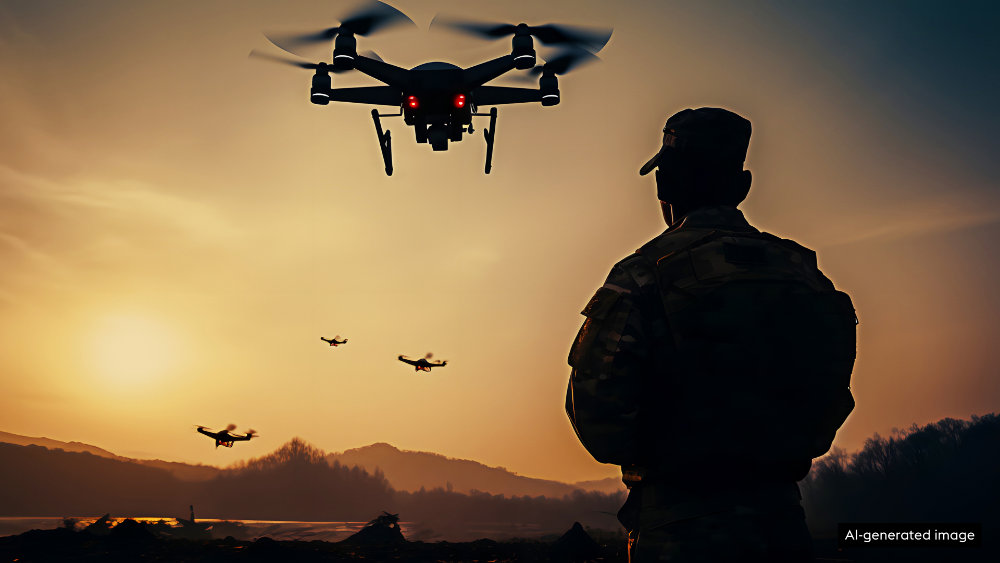
The accelerating integration of emerging technologies into armed conflict is transforming not only the tools of war, but its tactics, geography, participants and impact. Technological developments – from commercial drones to artificial intelligence, electronic warfare to the military use of civilian infrastructure – risk undermining boundaries between military and civilian domains. These changes challenge long-held...
Protecting civilians in a data-driven and digitalized battlespace: toward a baseline humanitarian technology infrastructure
This article examines the realities of modern day warfare, including a rising trend in hybrid threats and irregular warfare which employ emerging technologies supported by digital and data-driven processes. The way in which these technologies become applied generates a widened battlefield and leads to a greater number of civilians being caught up in conflict. Humanitarian groups mandated to protect civilians have adapted their approaches to the use of new emerging technologies. However, the lack of international consensus on the use of data, the public and private nature of the actors involved in conflict, the transnational aspects of the widened battlefield, and the heightened security risks in the conflict space pose enormous challenges for the protection of civilians agenda. Based on the dual-usage aspect of emerging technologies, the challenges associated with regulation and the need for those affected by conflict to demonstrate resilience toward, and knowledge of, digital media literacy, this paper proposes the development of guidance for a "minimum basic technology infrastructure" which is supported by technology, regulation, and public awareness and education

How the U.S. Military Learned to Embrace AI Warfare
A review of Katrina Manson, “Project Maven: A Marine Colonel, His Team, and the Dawn of AI Warfare” (Norton, 2026).

Technological parables and iconic illustrations: American technocracy and the rhetoric of the technological fix
This paper traces the role of American technocrats in popularizing the notion later dubbed the ‘technological fix’. Channeled by their long-term ‘chief’, Howard Scott, their claim was that technolo...

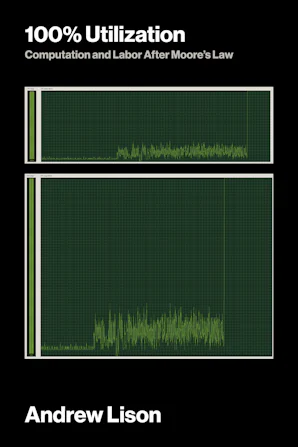
100% Utilization
Since the end of the Second World War, we have come to expect continual growth in computing power and the rapid development of digital technology. This dynam...
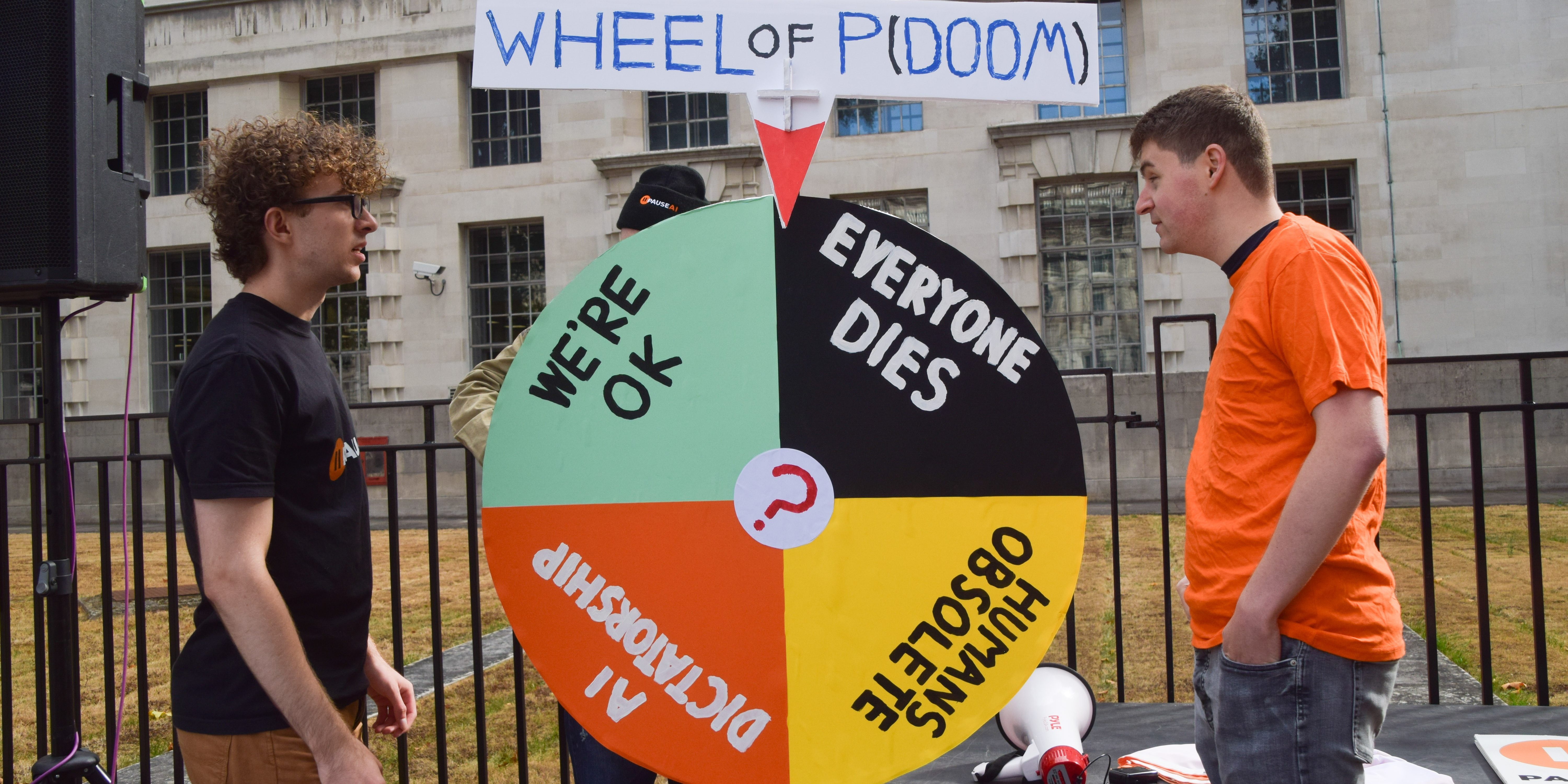
Safety Co-Option and Compromised National Security: The Self-Fulfilling Prophecy of Weakened AI Risk Thresholds
Risk thresholds provide a measure of the level of risk exposure that a society or individual is willing to withstand, ultimately shaping how we determine the safety of technological systems. Against the backdrop of the Cold War, the first risk analyses, such as those devised for nuclear systems, cemented societally accepted risk thresholds against which safety-critical and defense systems are now evaluated. But today, the appropriate risk tolerances for AI systems have yet to be agreed on by global governing efforts, despite the need for democratic deliberation regarding the acceptable levels of harm to human life. Absent such AI risk thresholds, AI technologists-primarily industry labs, as well as "AI safety" focused organizations-have instead advocated for risk tolerances skewed by a purported AI arms race and speculative "existential" risks, taking over the arbitration of risk determinations with life-or-death consequences, subverting democratic processes. In this paper, we demonstrate how such approaches have allowed AI technologists to engage in "safety revisionism," substituting traditional safety methods and terminology with ill-defined alternatives that vie for the accelerated adoption of military AI uses at the cost of lowered safety and security thresholds. We explore how the current trajectory for AI risk determination and evaluation for foundation model use within national security is poised for a race to the bottom, to the detriment of the US's national security interests. Safety-critical and defense systems must comply with assurance frameworks that are aligned with established risk thresholds, and foundation models are no exception. As such, development of evaluation frameworks for AI-based military systems must preserve the safety and security of US critical and defense infrastructure, and remain in alignment with international humanitarian law.

How Russia Is Reshaping Command and Control for AI-Enabled Warfare
Kateryna Bondar examines how Russia conceptualizes, builds, and adapts its command and control (C2) architecture under wartime pressures, in the first installment of a series on Russia’s use of AI in military operations.
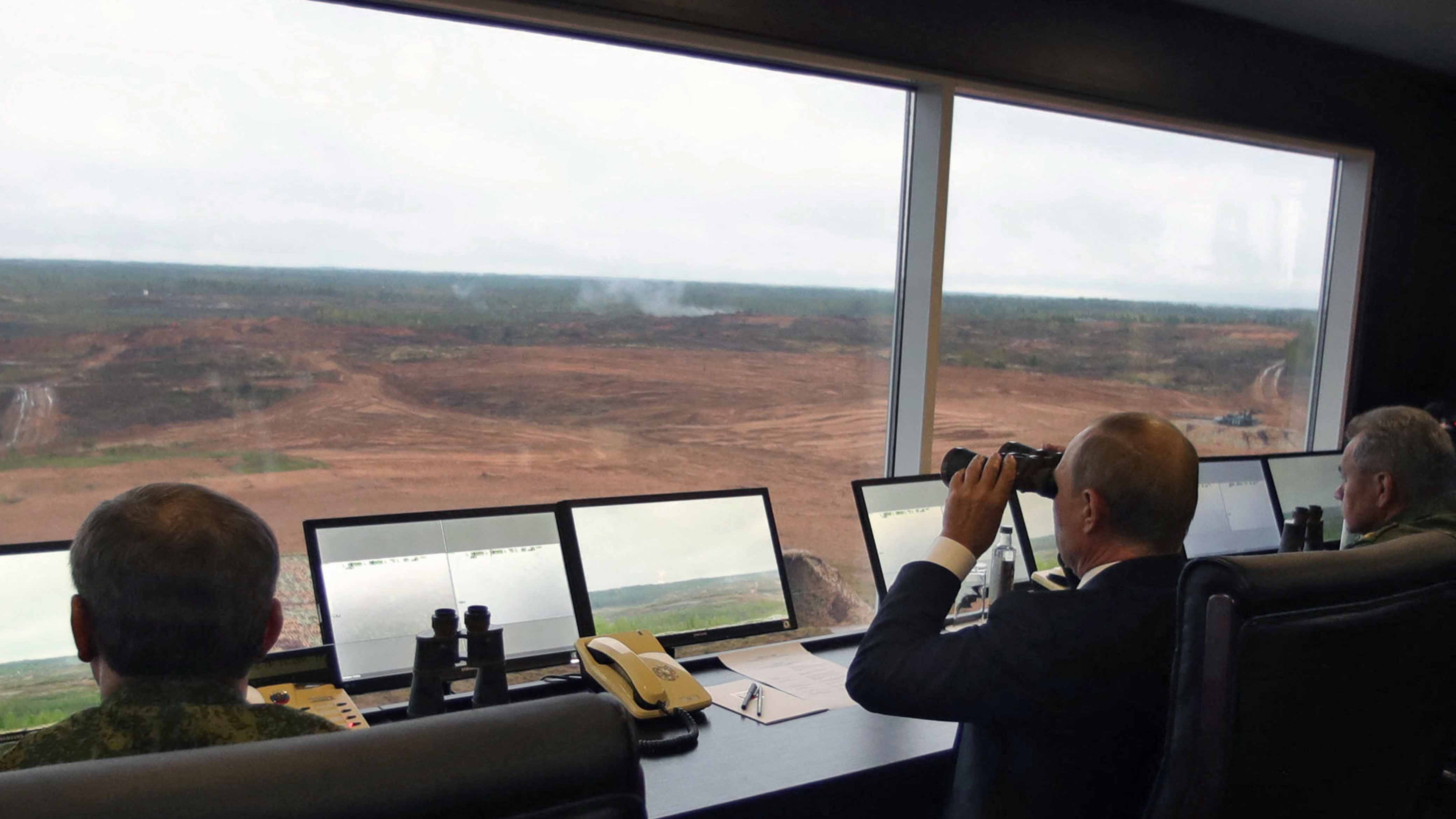
AI Almost Started a U.S.–China War — and No One Seems to Care
The tech world is too busy dreaming up imaginary doomsday scenarios to focus on a very real one that flared up between nuclear powers.
Statement from Dario Amodei on our discussions with the Department of War
A statement from our CEO on national security uses of AI
A Thesis on the History of the 21st Century: Technocracy, AI, and the End of the World
Reviewing a trio of books by a sextet of ruling-class ideologues, Mathias Fuelling finds an ambient anxiety hanging over a perceived crisis in American capitalism, with visions of bolstering a Silicon Valley-led technocracy fueled by AI investment reflecting American fears over the dawn of a "Chinese Century."

Defense Intelligence: Comprehensive Plan Needed to Improve Stakeholder Engagement in the Development of New Military Intelligence System
Intelligence collected on foreign militaries is critical for the U.S. military. The Defense Intelligence Agency's database for this intelligence doesn...
The rise of AI sovereignty: Authoritarian technological imaginaries as a form of reflexive control
Recent literature increasingly examines generative artificial intelligence's (AI's) role in disinformation and propaganda as a key driver of digital authoritarianism. Yet, less attention has been paid to how authoritarian regimes may influence the global governance of AI itself. This essay addresses this gap by analysing the impact of authoritarian technological imaginaries, focusing on the rise of ‘AI sovereignty’ as a central concept shaping global AI governance. It adopts a conceptual framework that combines the notion of imaginaries with the concept of reflexive control, originating in Soviet strategic thought and referring to influencing an adversary's perceptions so they act in ways aligned with the initiator's goals, to study authoritarian diffusion and the global politics of AI. Through an examination of public statements by the Russian president, the study shows how Russia constructs an AI imaginary that extends Cold War logics of nuclear competition into the digital era, framing AI as a matter of security and survival rather than ethics or rights. Drawing on the Russian case, the analysis identifies three frames that underpin the authoritarian AI imaginary: AI as a tool for power and domination; Western AI as a cultural threat; and AI as a guarantor of state efficiency. The article argues that such imaginaries shape the cognitive environment of global policy debates, promoting sovereignty-centred and securitised approaches to AI governance. It suggests that recognising the role of reflexive control in authoritarian diffusion helps distinguish legitimate Global South concerns from authoritarian influence and supports more inclusive and resilient models of AI governance.

I learned so much from this essay. It gets into a brief history of how the US military has sought to dehumanize the process of identifying targets—first through bureaucracy and now through technology—with the expectation there will be more mistakes, but they will face less blame.

AI got the blame for the Iran school bombing. The truth is far more worrying
www.theguardian.com