

The rainbow body research project, engaging claims of spiritual attainment and personal transformation, enables us to examine key features of anthropological research. Engagement with communities of discourse exposed aspects of the artificial emic–etic divide, allowing the anthropological study of religion to advance methods in religious studies. The study of paranormal phenomena cannot be isolated from societal contextualization. In this instance, a study of death and dying, contextualized in a traditional community, required unique features of engagement for the researcher who would be present to the social dynamics surrounding the death of a person of high repute.
A Protocol for Dying - Hintjens.com
Biography | Portfolio | GitHub Books | Videos | Slides | Stories | Wiki Contact
A New Pilgrimage: John Vervaeke on Finding Practices that Build Meaning | Over the Mountains #15
Esotericism in One Piece: Navigating Magic, Symbolism and Spirituality
Introduction Idea Presentation
Effects of Extreme Ritual Practices on Psychophysiological Well-Being
Extreme ritual practices involving pain and suffering pose significant risks such as injury, trauma, or infection. Nonetheless, they are performed by millions of people around the world and are often culturally prescribed remedies for a variety of maladies, and especially those related to mental health. What is the actual impact of these practices on health? Combining ethnographic observations and psychophysiological monitoring, we investigated outcomes of participation in one of the world’s most extreme rituals, involving bodily mutilation and prolonged suffering. Performance of this physically demanding ordeal had no detrimental effects on physiological health and was associated with subjective health improvements, and these improvements were greater for those who engaged in more intense forms of participation. Moreover, individuals who experienced health problems and/or were of low socioeconomic status sought more painful levels of engagement. We suggest two potential mechanisms for these effects: a bottom-up process triggered by neurological responses to pain and a top-down process related to increased social support and self-enhancement. These mechanisms may buffer stress-induced pressures and positively affect quality of life. Our results stress the importance of traditional cultural practices for coping with adversity, especially in contexts where psychiatric or other medical interventions are not widely available.

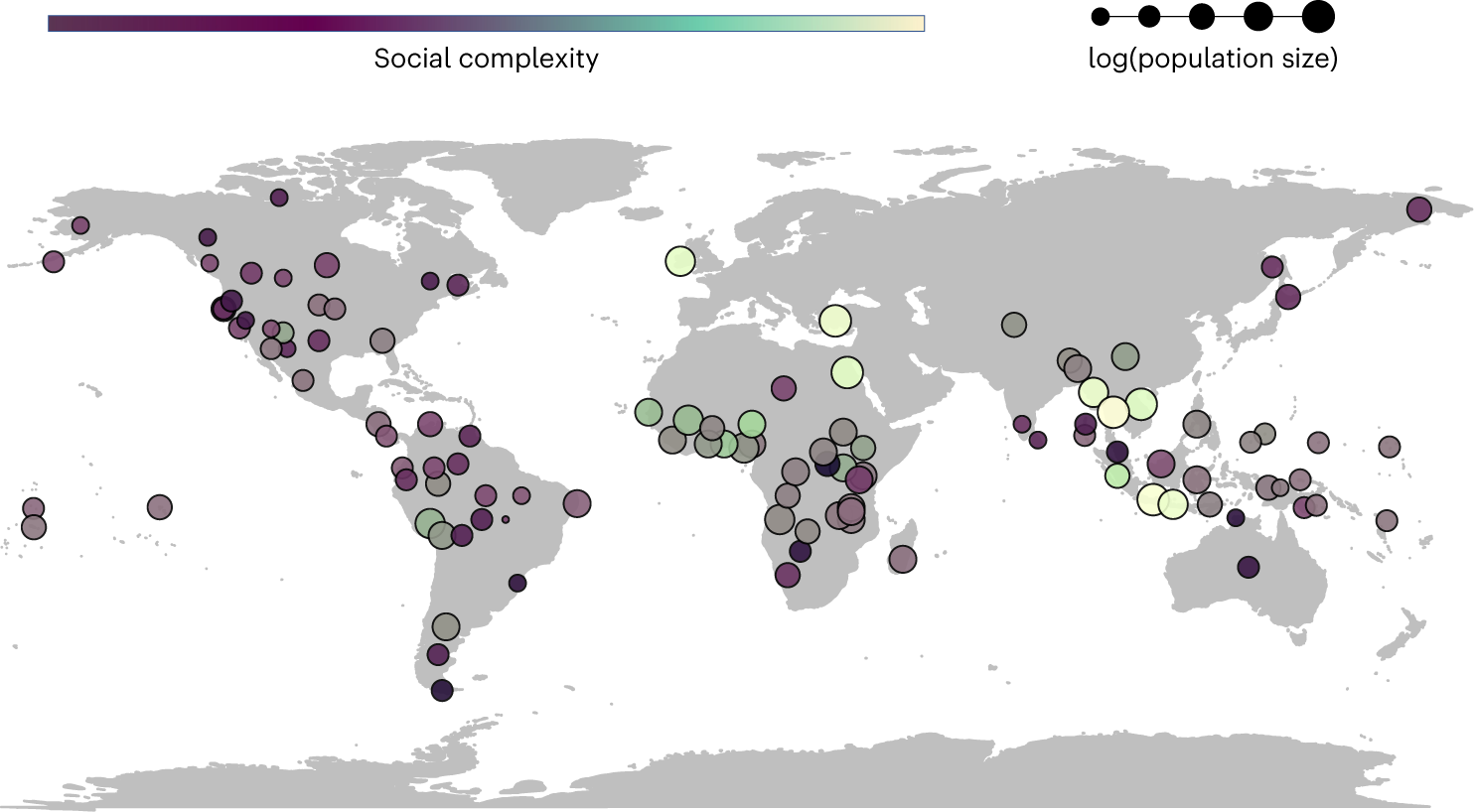
Supernatural explanations across 114 societies are more common for natural than social phenomena
Humans across the globe use supernatural beliefs to explain the world around them. This article explores whether cultural groups invoke the supernatural more to explain natural phenomena (for example, storms, disease outbreaks) or social phenomena (for example, murder, warfare). Quantitative analysis of ethnographic text across 114 geographically and culturally diverse societies found that supernatural explanations are more prevalent for natural than for social phenomena, consistent with theories that ground the origin of religious belief in a human tendency to perceive intent and agency in the natural world. Despite the dominance of supernatural explanations of natural phenomena, supernatural explanations of social phenomena were especially prevalent in urbanized societies with more socially complex and anonymous groups. Our results show how people use supernatural beliefs as explanatory tools in non-industrial societies, and how these applications vary across small-scale communities versus large and urbanized groups.
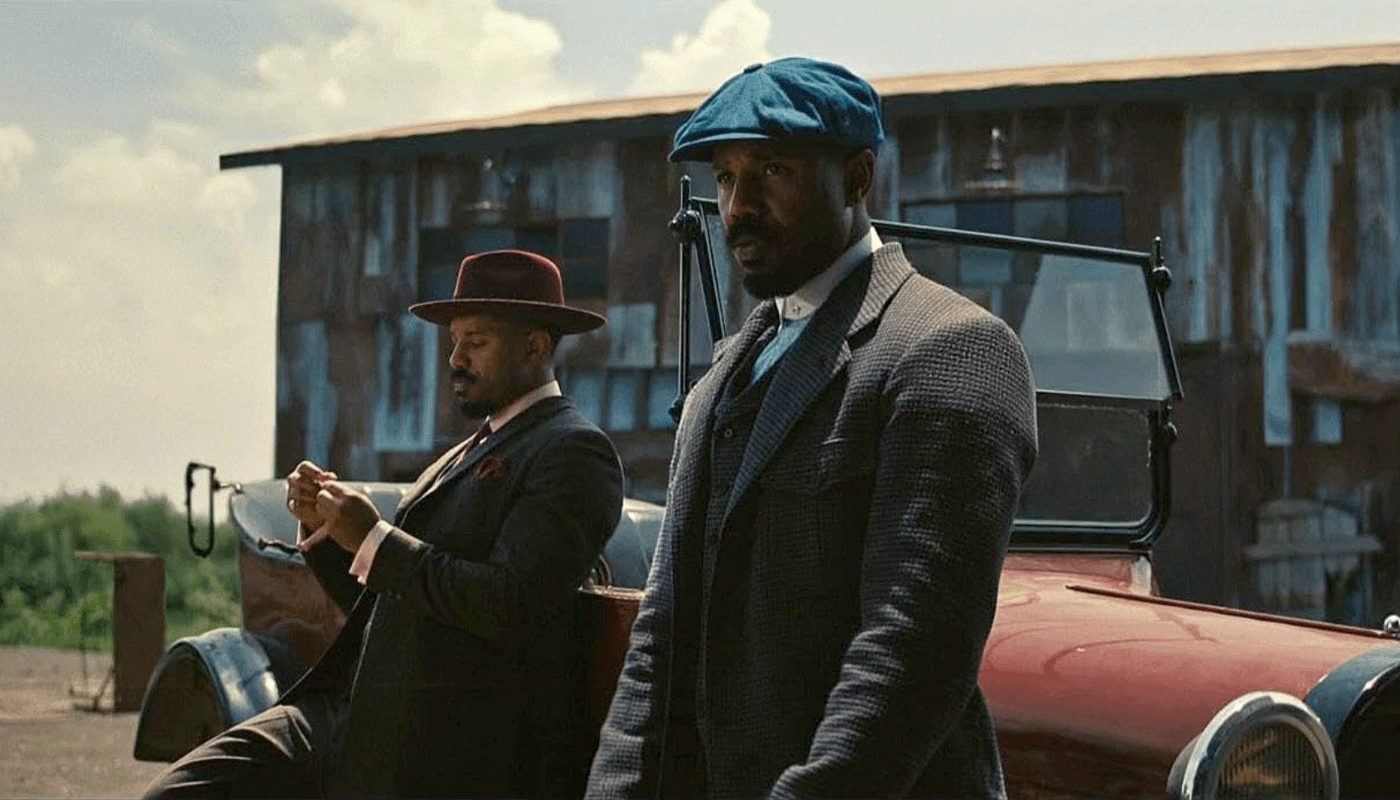
Beyond Afrofuturism: Sinners, the Great Migration, and Rust Belt Gothik - Reactor
"Sinners" is a particular kind of story about migration, spirituality, and Black speculative survival skills
The Zizians and the Rationalist death cults
What is the deal with Rationalism and cults?
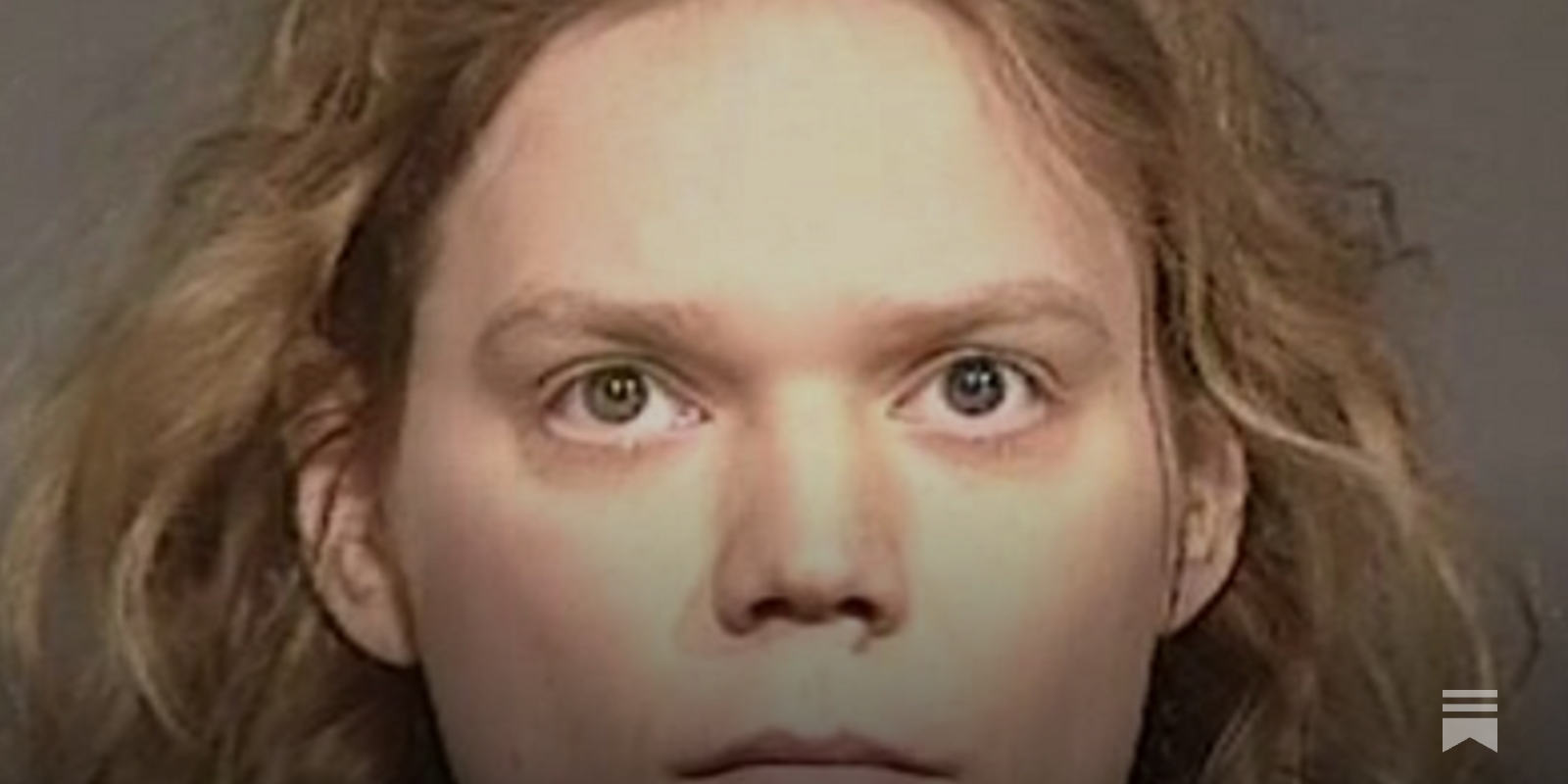
The Zizians and the Rationalist death cults
What is the deal with Rationalism and cults?
The Zizians and the Rationalist death cults
What is the deal with Rationalism and cults?
Pain and Sacrifice: Experience and Modulation of Pain in a Religious Piercing Ritual
Fascinating pain-related rituals have been observed throughout the world, but so far no systematic evidence exists to support previous ethnographic reports of analgesic states and dissociative sym...

The Death of DeviantArt and the art-site shaped hole haunting the Internet - Multi-hyphenate
Why every new "Art Community" fails. Equal parts eulogy, condemnation, and mourning.
Body Piercing in “Modern Primitivism” and in Thailand's Vegetarian Festival: A Comparative Study
Western “modern primitivists” and spirit mediums at the Vegetarian Festival in southern Thailand are the leading practitioners of body piercing in the contemporary world. This comparative study finds that they share a similar marginal social background and aspirations for individual distinction through body piercing, but differ radically in the cultural context, specific practices, and kinds of objects used for piercing. “Modern primitivists” are pierced by relatively small piercing objects, which combine with tattoos as part of their everyday attire. Entranced spirit mediums, believed to be possessed by Chinese deities, tend to be pierced by spectacular piercing objects, but only during the Chinese shrines' street processions in course of the annual Vegetarian Festival. In contrast to the “modern primitivists,” who are shunned by mainstream society, the spirit mediums are worshipped as deities by devotees, and constitute a major, but ambiguous attraction for foreign tourists: while piercings are “real,” and hence “authentic,” the sight of gruesome self-mutilation by some pierced mediums may offend the tourists' sensibilities. The article concludes with the observation that some “authentic” sights might be too hard for some tourists to bear and will hence repel rather than attract them. “Bearability” is thus a factor mitigating the attractiveness of such sights.
Realization experiences: a convergent account of insight and mystical experiences
We argue that the powerful transformative effects of mystical-type experiences can be understood using the same machinery that underlies insight problem solving, and that both mystical experiences ...

Ontology of the Accident: An Essay on Destructive Plasticity
In the usual order of things, lives run their course and eventually one becomes who one is. Bodily and psychic transformations do nothing but reinforce the permanence of identity. But as a result of serious trauma, or sometimes for no reason at all, a subject’s history splits and a new, unprecedented persona comes to live with the former person - an unrecognizable persona whose present comes from no past and whose future harbors nothing to come; an existential improvisation, a form born of the accident and by accident. Out of a deep cut opened in a biography, a new being comes into the world for a second time. <br /> <br /> What is this form? A face? A psychological profile? What ontology can it account for, if ontology has always been attached to the essential, forever blind to the <i>aléa</i> of transformations? What history of being can the plastic power of destruction explain? What can it tell us about the explosive tendency of existence that secretly threatens each one of us?<br /> <br /> Continuing her reflections on destructive plasticity, split identities and the psychic consequences experienced by those who have suffered brain injury or have been traumatized by war and other catastrophes, Catherine Malabou invites us to join her in a philosophic and literary adventure in which Spinoza, Deleuze and Freud cross paths with Proust and Duras.
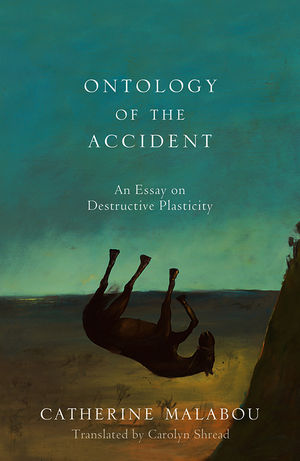
Ontology of the Accident: An Essay on Destructive Plasticity
In the usual order of things, lives run their course and eventually one becomes who one is. Bodily and psychic transformations do nothing but reinforce the permanence of identity. But as a result of serious trauma, or sometimes for no reason at all, a subject’s history splits and a new, unprecedented persona comes to live with the former person - an unrecognizable persona whose present comes from no past and whose future harbors nothing to come; an existential improvisation, a form born of the accident and by accident. Out of a deep cut opened in a biography, a new being comes into the world for a second time. <br /> <br /> What is this form? A face? A psychological profile? What ontology can it account for, if ontology has always been attached to the essential, forever blind to the <i>aléa</i> of transformations? What history of being can the plastic power of destruction explain? What can it tell us about the explosive tendency of existence that secretly threatens each one of us?<br /> <br /> Continuing her reflections on destructive plasticity, split identities and the psychic consequences experienced by those who have suffered brain injury or have been traumatized by war and other catastrophes, Catherine Malabou invites us to join her in a philosophic and literary adventure in which Spinoza, Deleuze and Freud cross paths with Proust and Duras.