


Emerging evidence suggests that higher circulating levels of inflammatory biomarkers in blood are associated with higher negative affect (NA) and lower positive affect (PA). To our knowledge, the unique associations between NA and PA in daily life and salivary biomarkers of inflammation have not been examined. This study examined these associations in young adults.
Why Does Inflammation Seem to Underlie All Sickness?
It’s a culprit in diseases ranging from arthritis to depression

Appnome analysis reveals small or no associations between social media app-specific usage and adolescent well-being
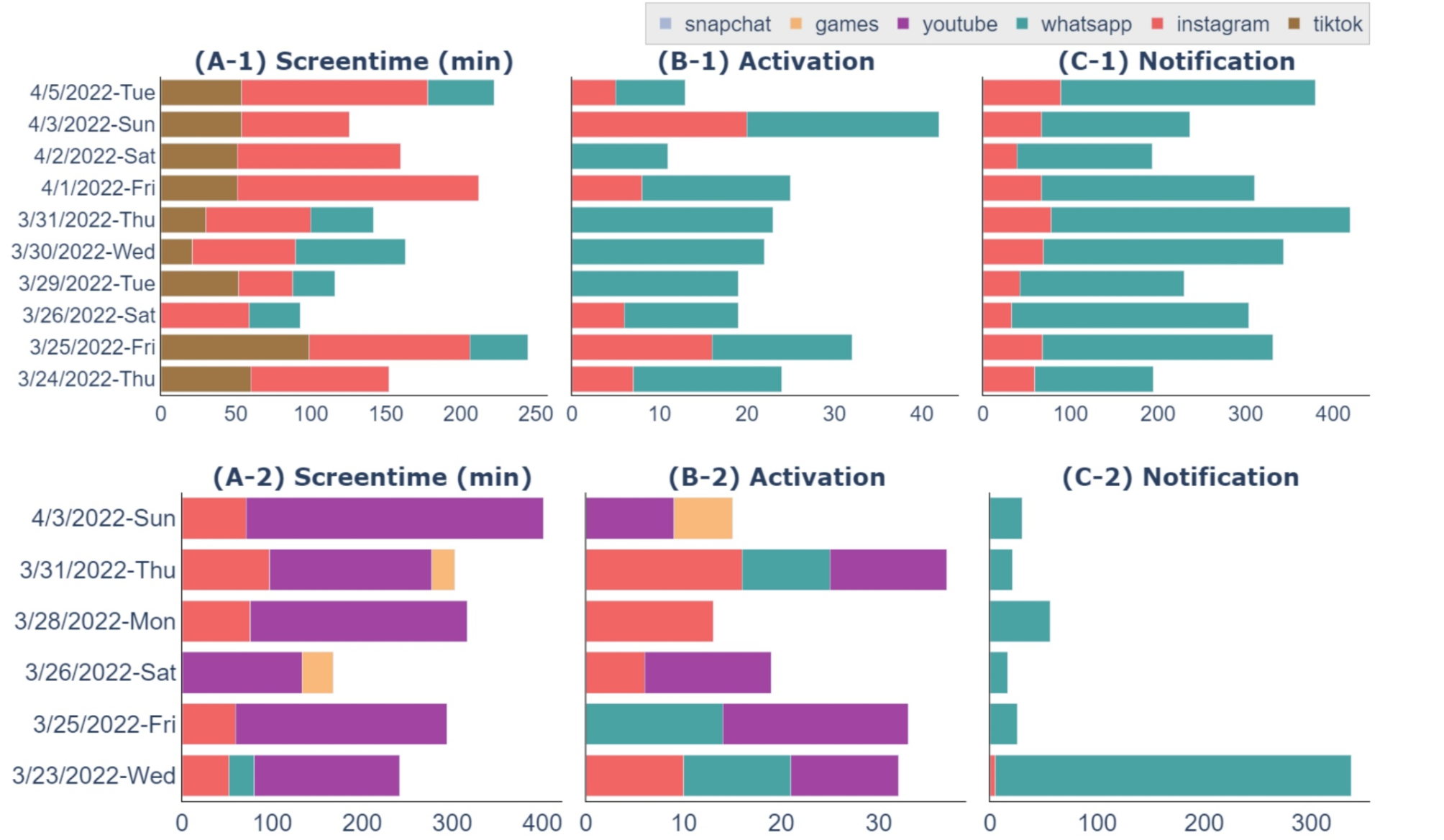
The debate on how social media use (SMU) influences adolescent well-being is mostly based on self-reports of SMU. By collecting data and screenshots donated from 374 Swiss adolescents (Meanage = 15.71; SDage = 0.82) over 2 weeks, we created “Appnomes”—app-specific usage metrics on screentime, number of activations, and number of notifications per participant per day derived, and associated them with daily hedonic and eudaimonic well-being. Longer TikTok time predicted lower eudaimonic well-being (β = − 0.08) daily but higher positive emotions (β = 0.06) the next day; longer use of WhatsApp predicted negative emotions (β = 0.06) while more screen activations for WhatsApp predicted greater feelings of connection (β = 0.08). Instagram notification was positively related to increased feeling of focused (β = 0.06) the next day. YouTube screen unlocks predicted more feeling of meaning (β = 0.07) the next day. More Snapchat screentime predicted less relaxed, less competent, and less positive emotions (with − 0.07 < β < − 0.06). Results pointed towards minimal or no effects, challenging the moral panic on the detrimental impact of SMU on teen well-being.
Generative AI Use and Depressive Symptoms Among US Adults
Importance Generative artificial intelligence (AI) has rapidly entered mainstream use in the US, but its association with mental health has not been characterized. Objective To examine the associations of the extent and type of generative AI use among US adults with negative affective symptoms in a large, nationally representative sample. Design, Setting, and Participants This survey study used data from a 50-state US internet nonprobability survey conducted between April and May 2025. Survey respondents were aged 18 years and older. Data were analyzed in August 2025. Exposure Participants self-reported generative AI and social media use. Main Outcomes and Measures The outcome of interest, negative affect, was measured using the Patient Health Questionnaire 9-item (PHQ-9). Results There were 20 847 unique participants, with mean (SD) age 47.3 (17.1) years and 10 327 (49.5%) female, 10 386 (49.8%) male, and 134 (0.6%) nonbinary participants; 2152 participants (10.3%) reported using AI at least daily, including 1053 participants (5.1%) who reported daily use and 1099 participants (5.3%) who reported use multiple times per day. Among participants who used daily or more frequently, 1033 (48.0%) reported use for work, 246 (11.4%) for school, and 1875 (87.1%) for personal applications. In survey-weighted regression models, daily or more frequent AI use was significantly more common among men, younger adults, those with higher education and income, and those in urban settings. Greater AI use was associated with greater levels of depressive symptoms in sociodemographic-adjusted regression models: (daily use: β = 1.08 [95% CI, 0.55-1.62]; multiple times per day: β = 0.86 [95% CI, 0.35-1.37]) compared with nonuse, and with greater likelihood of reporting at least moderate depressive symptoms (odds ratio [OR], 1.29 [95% CI, 1.15-1.46]); similar patterns were observed for anxiety and irritability. The highest estimates were observed among individuals using AI for personal use (β = 0.31 [95% CI, 0.10-0.52]) and those aged 25 to 44 years (β = 1.22 [95% CI, 0.70-1.74]) or 45 to 64 years (β = 1.38 [95% CI, 0.72-2.05]). Conclusions and Relevance This survey study found that AI use was significantly associated with greater depressive symptoms, with magnitude of differences varying by age group. Further work is needed to understand whether these associations are causal and explain heterogeneous effects.

Generative AI Use and Depressive Symptoms Among US Adults
This survey study examines the associations of generative artificial intelligence (AI) use with negative affective symptoms in a large nationally representative sample of US adults.
Associations Between Inflammatory Mediators and Bone Outcomes in Postmenopausal Women: A Cross-Sectional Analysis of Baseline Data from the Prune Study
These findings suggest that inflammatory markers may be an important mediator for postmenopausal bone loss.

Philosophy Officer on Instagram: "I AM SO EMOTIONALLY MATURE I have massive problems with this term. Most people would say it means something along the lines of: the ability to understand, process, regulate or communicate emotions in a healthy way. Now the issue is that all of the terms you use to explain it leave so much room for interpretation the definition becomes almost vacuous. To understand an emotion means to know what caused it? To know the impact it has on you physiologically? To understand how it affects your cognition? To know how it affects others? Same goes with the term healthy, get far enough into a discussion on what it means to be healthy and people will start to disagree. Mental health? Physical? Communal? Spiritual? What’s more is that this term is thrown around in place of simple personality traits or individual quirks. Because someone is more emotional are they now less mature because they have an objectively more difficult time regulating them? Is the person with a dark sense of humour immature because he can’t hold in a laugh when everyone else finds the situation morbid or cruel? I think, to a great extent, it’s a bit of a shield or barrier of a term that absolves ourselves from taking responsibility for our behaviours. At the end of the day we know ourselves best, or at least better than most people. This means we best understand our emotions, how we regulate them, how we control them etc. We have this epistemic bias towards ourselves, since we simply know more about ourselves therefore we will often reason that others have less. Sorry I couldn’t polish off my ideas more I gotta run bye friends"
102K likes, 186 comments - the_philofficer on July 6, 2026: "I AM SO EMOTIONALLY MATURE I have massive problems with this term. Most people would say it means something along the lines of: the ability to understand, process, regulate or communicate emotions in a healthy way. Now the issue is that all of the terms you use to explain it leave so much room for interpretation the definition becomes almost vacuous. To understand an emotion means to know what caused it? To know the impact it has on you physiologically? To understand how it affects your cognition? To know how it affects others? Same goes with the term healthy, get far enough into a discussion on what it means to be healthy and people will start to disagree. Mental health? Physical? Communal? Spiritual? What’s more is that this term is thrown around in place of simple personality traits or individual quirks. Because someone is more emotional are they now less mature because they have an objectively more difficult time regulating them? Is the person with a dark sense of humour immature because he can’t hold in a laugh when everyone else finds the situation morbid or cruel? I think, to a great extent, it’s a bit of a shield or barrier of a term that absolves ourselves from taking responsibility for our behaviours. At the end of the day we know ourselves best, or at least better than most people. This means we best understand our emotions, how we regulate them, how we control them etc. We have this epistemic bias towards ourselves, since we simply know more about ourselves therefore we will often reason that others have less. Sorry I couldn’t polish off my ideas more I gotta run bye friends".

The downside of being happy
Nobody likes to be sad, but it can have a powerful and positive effect.

High intelligence: A risk factor for psychological and physiological overexcitabilities
High intelligence is touted as being predictive of positive outcomes including educational success and income level. However, little is known about the difficulties experienced among this population. Specifically, those with a high intellectual capacity (hyper brain) possess overexcitabilities in various domains that may predispose them to certain psychological disorders as well as physiological conditions involving elevated sensory, and altered immune and inflammatory responses (hyper body). The present study surveyed members of American Mensa, Ltd. (n=3715) in order to explore psychoneuroimmunological (PNI) processes among those at or above the 98th percentile of intelligence. Participants were asked to self-report prevalence of both diagnosed and/or suspected mood and anxiety disorders, attention deficit hyperactivity disorder (ADHD), autism spectrum disorder (ASD), and physiological diseases that include environmental and food allergies, asthma, and autoimmune disease. High statistical significance and a remarkably high relative risk ratio of diagnoses for all examined conditions were confirmed among the Mensa group 2015 data when compared to the national average statistics. This implicates high IQ as being a potential risk factor for affective disorders, ADHD, ASD, and for increased incidence of disease related to immune dysregulation. Preliminary findings strongly support a hyper brain/hyper body association which may have substantial individual and societal implications and warrants further investigation to best identify and serve this at-risk population.
Measuring Psychobiosocial States in Sport: Initial Validation of a Trait Measure
We examined the item characteristics, the factor structure, and the concurrent validity of a trait measure of psychobiosocial states. In Study 1, Italian athletes (N = 342, 228 men, 114 women, Mage = 23.93, SD = 6.64) rated the intensity, the frequency, and the perceived impact dimensions of a psychobiosocial states scale, trait version (PBS-ST), which is composed of 20 items (10 functional and 10 dysfunctional) referring to how they usually felt before an important competition. In Study 2, the scale was cross validated in an independent sample (N = 251, 181 men, 70 women, Mage = 24.35, SD = 7.25). The concurrent validity of the PBS-ST scale scores were also examined in comparison with two sport-specific emotion-related measures and a general measure of affect. Exploratory structural equation modeling and confirmatory factor analysis of the data of Study 1 showed that a 2-factor, 15-item solution of the PBS-ST scale (8 functional items and 7 dysfunctional items) reached satisfactory fit indices for the three dimensions (i.e., intensity, frequency, and perceived impact). Results of Study 2 provided evidence of substantial measurement and structural invariance of all dimensions across samples. The low association of the PBS-ST scale with other measures suggests that the scale taps unique constructs. Findings of the two studies offer initial validity evidence for a sport-specific tool to measure psychobiosocial states.
Measures of emotion: A review
A consensual, componential model of emotions conceptualises them as experiential, physiological, and behavioural responses to personally meaningful stimuli. The present review examines this model in terms of whether different types of emotion-evocative stimuli are associated with discrete and invariant patterns of responding in each response system, how such responses are structured, and if such responses converge across different response systems. Across response systems, the bulk of the available evidence favours the idea that measures of emotional responding reflect dimensions rather than discrete states. In addition, experiential, physiological, and behavioural response systems are associated with unique sources of variance, which in turn limits the magnitude of convergence across measures. Accordingly, the authors suggest that there is no “gold standard” measure of emotional responding. Rather, experiential, physiological, and behavioural measures are all relevant to understanding emotion and cannot be assumed to be interchangeable.

Blood tests for mental health problems | Eiko Fried
A new paper was published yesterday on a blood test for schizophrenia, by the same research team that in 2021 published a paper on a blood test for depression . The papers and...

Severity of COVID-19 at elevated exposure to perfluorinated alkylates
Background The course of coronavirus disease 2019 (COVID-19) seems to be aggravated by air pollution, and some industrial chemicals, such as the perfluorinated alkylate substances (PFASs), are immunotoxic and may contribute to an association with disease severity. Methods From Danish biobanks, we obtained plasma samples from 323 subjects aged 30–70 years with known SARS-CoV-2 infection. The PFAS concentrations measured at the background exposures included five PFASs known to be immunotoxic. Register data was obtained to classify disease status, other health information, and demographic variables. We used ordered logistic regression analyses to determine associations between PFAS concentrations and disease outcome. Results Plasma-PFAS concentrations were higher in males, in subjects with Western European background, and tended to increase with age, but were not associated with the presence of chronic disease. Of the study population, 108 (33%) had not been hospitalized, and of those hospitalized, 53 (16%) had been in intensive care or were deceased. Among the five PFASs considered, perfluorobutanoic acid (PFBA) showed an unadjusted odds ratio (OR) of 2.19 (95% confidence interval, CI, 1.39–3.46) for increasing severities of the disease. Among those hospitalized, the fully adjusted OR for getting into intensive care or expiring was 5.18 (1.29, 20.72) when based on plasma samples obtained at the time of diagnosis or up to one week before. Conclusions Measures of individual exposures to immunotoxic PFASs included short-chain PFBA known to accumulate in the lungs. Elevated plasma-PFBA concentrations were associated with an increased risk of a more severe course of COVID-19. Given the low background exposure levels in this study, the role of exposure to PFASs in COVID-19 needs to be ascertained in populations with elevated exposures.
Serum vaccine antibody concentrations in adults exposed to per- and polyfluoroalkyl substances: A birth cohort in the Faroe Islands
Per- and polyfluoroalkyl substances (PFASs) are highly persistent in the environment and may cause depressed immune function. Previous studies have linked PFAS exposure to lower vaccine responses i...

Immunoporosis: Role of Innate Immune Cells in Osteoporosis
Osteoporosis or porous bone disorder is the result of an imbalance in an otherwise highly balanced physiological process known as ‘bone remodeling’. The immune system is intricately involved in bone physiology as well as pathologies. Inflammatory diseases are often correlated with osteoporosis. Inflammatory mediators such as reactive oxygen species (ROS), and pro-inflammatory cytokines and chemokines directly or indirectly act on the bone cells and play a role in the pathogenesis of osteoporosis. Recently, Srivastava et al. (Srivastava RK, Dar HY, Mishra PK. Immunoporosis: Immunology of Osteoporosis-Role of T Cells. Frontiers in immunology. 2018;9:657) have coined the term “immunoporosis” to emphasize the role of immune cells in the pathology of osteoporosis. Accumulated pieces of evidence suggest both innate and adaptive immune cells contribute to osteoporosis. However, innate cells are the major effectors of inflammation. They sense various triggers to inflammation such as pathogen-associated molecular patterns (PAMPS), damage-associated molecular patterns (DAMPS), cellular stress, etc., thus producing pro-inflammatory mediators that play a critical role in the pathogenesis of osteoporosis. In this review, we have discussed the role of the innate immune cells in great detail and divided these cells into different sections in a systemic manner. In the beginning, we talked about cells of the myeloid lineage, including macrophages, monocytes, and dendritic cells. This group of cells explicitly influences the skeletal system by the action of production of pro-inflammatory cytokines and can transdifferentiate into osteoclast. Other cells of the myeloid lineage, such as neutrophils, eosinophils, and mast cells, largely impact osteoporosis via the production of pro-inflammatory cytokines. Further, we talked about the cells of the lymphoid lineage, including natural killer cells and innate lymphoid cells, which share innate-like properties and play a role in osteoporosis. In addition to various innate immune cells, we also discussed the impact of classical pro-inflammatory cytokines on osteoporosis. We also highlighted the studies regarding the impact of physiological and metabolic changes in the body, which results in chronic inflammatory conditions such as ageing, ultimately triggering osteoporosis.

Cognitive and Affective Empathy in Autism Spectrum Disorders: A Meta-analysis
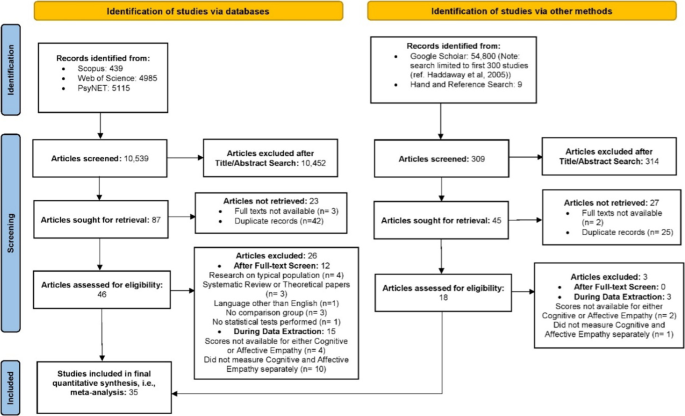
Research has consistently shown that individuals with Autism Spectrum Disorder (ASD) exhibit Empathy deficits. The aim of this study was to systematically review and meta-analyze the research conducted in the domain of cognitive and affective Empathy in Autism. The author also attempted to see the influence of moderators, such as age, culture, and measure-used, on the effect sizes. To fulfill the objective, the meta-analysis was performed on 35 studies that fulfilled the inclusion criteria with the help of the Meta-essentials, which is a free excel meta-analysis tool that facilitates the integration of effect sizes from various studies. The results indicated that the ASD group differs significantly from typically developing (TD) group in both cognitive and affective empathy. The effect size for cognitive empathy was very large (1.26), whereas, for affective empathy, the effect size was medium (0.58). Further, there was a significant moderating effect of the type of measure used on cognitive empathy. However, there are a few limitations of the present meta-analysis. Firstly, it does not shed light on how symptom severity in Autism influences empathy. Secondly, all the possible moderating variables influencing empathy could not be considered. Lastly, the generalizability of the findings may be limited owing to the limitations present in the included studies themselves. The present meta-analysis has implications for conceptualizing cognitive and affective empathy appropriately, and developing appropriate measures to assess empathy in the Autism population.
Learning From Older Adults: An Intergoal Compatibility Account for Successful Happiness Pursuit
Academic Abstract People want to pursue happiness but often fail, a phenomenon known as the paradox of pursuing happiness. The mechanisms underlying this paradox remain elusive. Age differences in happiness—specifically that older adults appear more successful in pursuing happiness (the emotion paradox of aging)—provide valuable insights into effective happiness pursuit. Drawing on this literature, we propose an intergoal compatibility account to interpret both paradoxes through the lens of intergoal interactions, an intuitively critical yet underexplored factor in existing interpretations. This account asserts that greater compatibility (fewer conflicts and greater facilitation) between happiness pursuit and other important personal goals enhances the effectiveness of happiness pursuit, and such compatibility can be enhanced through contextual influences (e.g., age-graded developmental tasks) and strategic self-regulation (e.g., goal adjustments). This account generates testable predictions and practical implications for enhancing happiness pursuit across the lifespan. Public Abstract Why do people often struggle to achieve happiness? And why are older adults happier than younger adults, even though they face more losses in life? While these questions have drawn extensive attention, they remain puzzling. A crucial yet insufficiently explored factor in successful happiness pursuit is intergoal compatibility —the extent to which the pursuit of happiness aligns or conflicts with other important personal goals. For younger adults, the demands of age-related developmental tasks (e.g., educational and career aspirations) often create conflicts with the pursuit of happiness, diminishing its effectiveness. Conversely, in older adults, happiness becomes more prioritized and compatible with other important personal goals, thereby enhancing the effectiveness of pursuing happiness. A lesson we can learn from older adults is to pursue happiness in ways compatible with other important personal goals.
