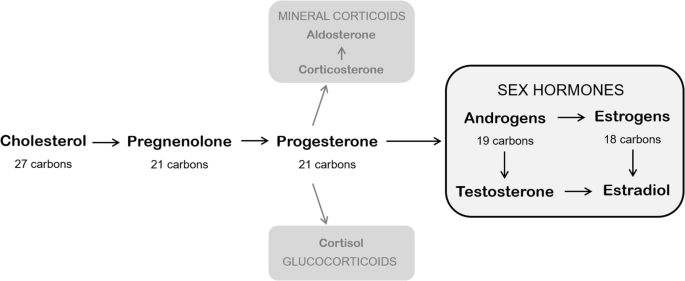
Understanding the differences in the way women and men think has made headway thanks to experiments showing how sex hormones influence cognitive capacities. Masculine and feminine sex hormones (androgens and estrogens, respectively) affect cognition in different ways and may account for some of the gender differences in cognitive abilities, allowing men and women to perform better in certain cognitive tests. In this opinion article, we discuss studies addressing differences in cognitive functions between males and females and the underlying neural substrates, as well as the effects of sex hormone supplementation. Even though some studies on patients receiving exogenous sex hormones showed gender differences that emerge at group levels on a few cognitive tasks, it is not yet clear whether these differences can be partially attributed to hormonal causes. Supplementation of female estrogen can enhance verbal skills, whereas masculine androgen can increase performance in mathematical and visuospatial tasks. Studies of the administration of exogenous sex hormones have allowed further insight into the use of sex hormones as possible cognitive enhancers.
The Role of Estrogen Receptors and Their Signaling across Psychiatric Disorders
Increasing evidence suggests estrogen and estrogen signaling pathway disturbances across psychiatric disorders. Estrogens are not only crucial in sexual maturation and reproduction but are also highly involved in a wide range of brain functions, such as cognition, memory, neurodevelopment, and neuroplasticity. To add more, the recent findings of its neuroprotective and anti-inflammatory effects have grown interested in investigating its potential therapeutic use to psychiatric disorders. In this review, we analyze the emerging literature on estrogen receptors and psychiatric disorders in cellular, preclinical, and clinical studies. Specifically, we discuss the contribution of estrogen receptor and estrogen signaling to cognition and neuroprotection via mediating multiple neural systems, such as dopaminergic, serotonergic, and glutamatergic systems. Then, we assess their disruptions and their potential implications for pathophysiologies in psychiatric disorders. Further, in this review, current treatment strategies involving estrogen and estrogen signaling are evaluated to suggest a future direction in identifying novel treatment strategies in psychiatric disorders.

Neuroscience research finds brain structure differences in men and women are not strongly linked to behavioral differences
Brain structure differences in men and women are only weakly linked to behavioral differences, according to new research that analyzed two large

How Couples Share "Cognitive Labor" and Why it Matters - Behavioral Scientist
Cognitive labor is unevenly distributed between men and women in households. New research shows there’s nuance to this breakdown, with implications for how we address gender equality across society.

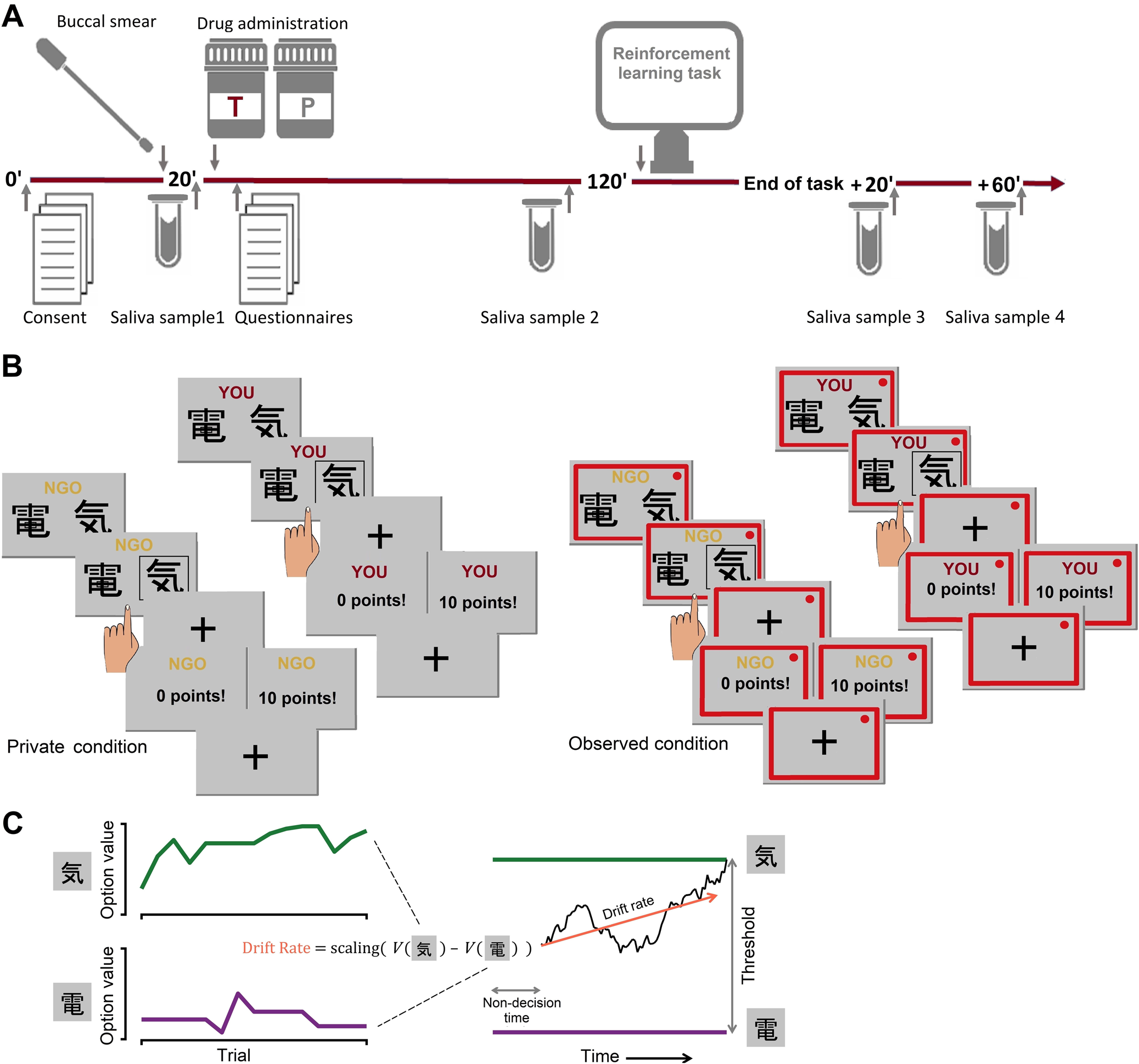
Testosterone eliminates strategic prosocial behavior through impacting choice consistency in healthy males
Neuropsychopharmacology - Testosterone eliminates strategic prosocial behavior through impacting choice consistency in healthy males
Hormone Levels Are Being Used to Discriminate against Female Athletes
Despite slim evidence, testosterone is keeping some women off the field

Overview of feminizing hormone therapy | Gender Affirming Health Program
The goal of feminizing hormone therapy is the development of female secondary sex characteristics, and suppression/minimization of male secondary sex characteristics. General effects include breast development (usually to Tanner stage 2 or 3), a redistribution of facial and body subcutaneous fat, reduction of muscle mass, reduction of body hair (and to a lesser extent, facial hair), change in sweat and odor patterns, and arrest and possible reversal of scalp hair loss. Sexual and gonadal effects include reduction in erectile function, changes in libido, reduced or absent sperm count and ejaculatory fluid, and reduced testicular size. Feminizing hormone therapy also brings about changes in emotional and social functioning. The general approach of therapy is to combine an estrogen with an androgen blocker, and in some cases a progestogen.
Translational Significance of Selective Estrogen Receptor Modulators in Psychiatric Disorders
Accumulating data from various clinical trial studies suggests that adjuvant therapy with ovarian hormones (estrogens) could be effective in reducing cognitive deficit and psychopathological symptoms in women with psychiatric disorders. However, estrogen therapy poses serious limitations and health issues including feminization in men and increased risks of thromboembolism, hot flashes, breast hyperplasia, and endometrium hyperplasia when used for longer duration in older women (aged ≥ 60 years) or in women who have genetic predispositions. On the other hand, selective estrogen receptor modulators (SERMs), which may (or may not) carry some risks of hot flashes, thromboembolism, breast hyperplasia, and endometrial hyperplasia, are generally devoid of feminization effect. In clinical trial studies, adjuvant therapy with tamoxifen, a triphenylethylene class of SERM, has been found to reduce the frequency of manic episodes in patients with bipolar disorder, whereas addition of raloxifene, a benzothiophene class of SERM, to regular doses of antipsychotic drugs has been found to reduce cognitive deficit and psychological symptoms in men and women with schizophrenia, including women with treatment refractory psychosis. These outcomes together with potent neurocognitive, neuroprotective, and cardiometabolic properties suggest that SERMs could be the potential targets for designing effective and safer therapies for psychiatric disorders.
Microdosing Estrogen
Learn about microdosing estrogen regimens and their effects from a quick guide to feminizing hormone therapy.

Gender-affirming endocrine care for youth with a nonbinary gender identity
Nonbinary individuals, or those who identify outside of the traditional gender binary, are currently present in up to 9% of the general population of youth or up to 55% of gender-diverse youth. Despite the high numbers of nonbinary individuals, this population continues to experience barriers to healthcare due to providers’ inability to see beyond the transgender binary and lack of competence in providing nonbinary care. In this narrative review, we discuss using embodiment goals to individualize care of nonbinary individuals, and review hormonal and nonhormonal treatment options for gender affirmation. Hormonal treatments include those often used in binary transgender individuals, such as testosterone, estradiol, and anti-androgens, but with adjustments to dosing or timeline to best meet a nonbinary individual’s embodiment goals. Less commonly used medications such as selective estrogen receptor antagonists are also discussed. For nonhormonal options, alterations in gender expression such as chest binding, tucking and packing genitalia, and voice training may be beneficial, as well as gender-affirming surgeries. Many of these treatments lack research specific to nonbinary individuals and especially nonbinary youth, and future research is needed to ensure safety and efficacy of gender-affirming care in this population.

When Women Initiate Estrogen Therapy Matters | The Menopause Society
New large-scale analysis shows potential long-term benefits of initiating hormones during perimenopause

The steroid metabolome in women with premenstrual dysphoric disorder during GnRH agonist-induced ovarian suppression: effects of estradiol and progesterone addback
Clinical evidence suggests that symptoms in premenstrual dysphoric disorder (PMDD) reflect abnormal responsivity to ovarian steroids. This differential steroid sensitivity could be underpinned by abnormal processing of the steroid signal. We used a pharmacometabolomics approach in women with prospectively confirmed PMDD (n=15) and controls without menstrual cycle-related affective symptoms (n=15). All were medication-free with normal menstrual cycle lengths. Notably, women with PMDD were required to show hormone sensitivity in an ovarian suppression protocol. Ovarian suppression was induced for 6 months with gonadotropin-releasing hormone (GnRH)-agonist (Lupron); after 3 months all were randomized to 4 weeks of estradiol (E2) or progesterone (P4). After a 2-week washout, a crossover was performed. Liquid chromatography/tandem mass spectrometry measured 49 steroid metabolites in serum. Values were excluded if >40% were below the limit of detectability (n=21). Analyses were performed with Wilcoxon rank-sum tests using false-discovery rate (q

Neuroscientist Larry Cahill on the ‘neurosexism’ debate | Hacker News
Her exact words were “men and women are equal but different, in many ways they’re complimentary” she then explained that some men look down on women because they didn’t value how women think about things. She also said the same is true of some women viewing men.
"Stress Hormone" Cortisol Linked to Early Toll on Thinking Ability
Brain changes, visible on scans, are also associated with Alzheimer’s precursors

Physically fit individuals benefit more from exercise-related improvements in working memory
It is well known that physical fitness is closely related to cognitive functions, both in adults and children. Mediators of this relationship, however,

Individual Differences in Executive Functions Are Almost Entirely Genetic in Origin
Recent psychological and neuropsychological research suggests that executive functions — the cognitive control processes that regulate thought and action — are multifaceted and that different types of executive functions are correlated but separable. The present multivariate twin study of three executive functions (inhibiting dominant responses, updating working memory representations, and shifting between task sets), measured as latent variables, examined why people vary in these executive control abilities and why these abilities are correlated but separable from a behavioral genetic perspective. Results indicated that executive functions are correlated because they are influenced by a highly heritable (99%) common factor that goes beyond general intelligence or perceptual speed, and they are separable because of additional genetic influences unique to particular executive functions. This combination of general and specific genetic influences places executive functions among the most heritable psychological traits. These results highlight the potential of genetic approaches for uncovering the biological underpinnings of executive functions and suggest a need for examining multiple types of executive functions to distinguish different levels of genetic influences.
Progesterone Is Important for Transgender Women’s Therapy—Applying Evidence for the Benefits of Progesterone in Ciswomen
Current transgender women’s therapy is estradiol/antiandrogen. I suggest adding progesterone, given its antiandrogen, breast-feminizing, bone-formation, sl