

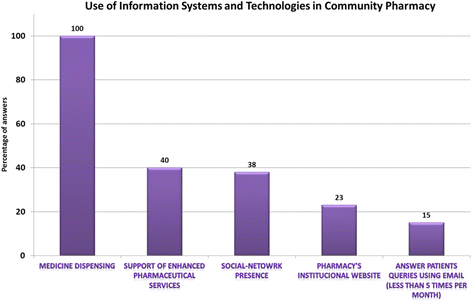
The rising prevalence of chronic diseases is pressing health systems to introduce reforms. Primary healthcare and multidisciplinary models have been suggested as approaches to deal with this challenge, with new roles for nurses and pharmacists being advocated. More recently, implementing healthcare based on information systems and technologies (e.g. eHealth) has been proposed as a way to improve health services. However, implementing online pharmaceutical services, including their adoption by pharmacists and patients, is still an open research question. In this paper we present ePharmacare, a new online pharmaceutical service implemented using Design Science Research.
Implementation of Digital Monitoring Services During the COVID-19 Pandemic for Patients With Chronic Diseases: Design Science Approach
Background: The COVID-19 pandemic is straining health systems and disrupting the delivery of health care services, in particular, for older adults and people with chronic conditions, who are particularly vulnerable to COVID-19 infection. Objective: The aim of this project was to support primary health care provision with a digital health platform that will allow primary care physicians and nurses to remotely manage the care of patients with chronic diseases or COVID-19 infections. Methods: For the rapid design and implementation of a digital platform to support primary health care services, we followed the Design Science implementation framework: (1) problem identification and motivation, (2) definition of the objectives aligned with goal-oriented care, (3) artefact design and development based on Scrum, (4) solution demonstration, (5) evaluation, and (6) communication. Results: The digital platform was developed for the specific objectives of the project and successfully piloted in 3 primary health care centers in the Lisbon Health Region. Health professionals (n=53) were able to remotely manage their first patients safely and thoroughly, with high degrees of satisfaction. Conclusions: Although still in the first steps of implementation, its positive uptake, by both health care providers and patients, is a promising result. There were several limitations including the low number of participating health care units. Further research is planned to deploy the platform to many more primary health care centers and evaluate the impact on patient’s health related outcomes.

Business intelligence in the healthcare industry: The utilization of a data-driven approach to support clinical decision making
The pandemic has forced people to use digital technologies and accelerated the digitalization of many businesses. Using digital technologies generates a huge amount of data that are exploited by Business Intelligence (BI) to make decisions and improve the management of firms. This becomes particularly relevant in the healthcare sector where decisions are traditionally made on the physicians’ experience. Much work has been done on applying BI in the healthcare industry. Most of these studies were focused only on IT or medical aspects, while the usage of BI for improving the management of healthcare processes is an under-investigated field. This research aims at filling this gap by investigating whether a decision support system (DSS) model based on the exploitation of data through BI can outperform traditional experience-driven practices for managing processes in the healthcare domain. Focusing on the managing process of the therapeutic path of oncological patients, specifically BRCA-mutated women with breast cancer, a DSS model for benchmarking the costs of various treatment paths was developed in two versions: the first is experience-driven while the second is data-driven. We found that the data-driven version of the DSS model leads to a more accurate estimation of the costs that could potentially be prevented in the treatment of oncological patients, thus enabling significant cost savings. A more informed decision due to a more accurate cost estimation becomes crucial in a context where optimal treatment and unique clinical recommendations for patients are absent, thus permitting a substantial improvement of the decision making in the healthcare industry.
Design Thinking
In the past, design has most often occurred fairly far downstream in the development process and has focused on making new products aesthetically attractive or enhancing brand perception through smart, evocative advertising. Today, as innovation’s terrain expands to encompass human-centered processes and services as well as products, companies are asking designers to create ideas rather than to simply dress them up. Brown, the CEO and president of the innovation and design firm IDEO, is a leading proponent of design thinking—a method of meeting people’s needs and desires in a technologically feasible and strategically viable way. In this article he offers several intriguing examples of the discipline at work. One involves a collaboration between frontline employees from health care provider Kaiser Permanente and Brown’s firm to reengineer nursing-staff shift changes at four Kaiser hospitals. Close observation of actual shift changes, combined with brainstorming and rapid prototyping, produced new procedures and software that radically streamlined information exchange between shifts. The result was more time for nursing, better-informed patient care, and a happier nursing staff. Another involves the Japanese bicycle components manufacturer Shimano, which worked with IDEO to learn why 90% of American adults don’t ride bikes. The interdisciplinary project team discovered that intimidating retail experiences, the complexity and cost of sophisticated bikes, and the danger of cycling on heavily trafficked roads had overshadowed people’s happy memories of childhood biking. So the team created a brand concept—“Coasting”—to describe a whole new category of biking and developed new in-store retailing strategies, a public relations campaign to identify safe places to cycle, and a reference design to inspire designers at the companies that went on to manufacture Coasting bikes. [hbr_brightcove id=”4443548301001″]

Implementation Science for AI Integration in Digital Health Systems
We systematically reviewed studies of implementation science frameworks used for healthcare AI deployment (2020-2026). Following PRISMA 2020, we searched MEDLINE, Embase, Web of Science, and Scopus and included 87 empirical studies. CFIR was most common (42.5%), followed by RE-AIM (28.7%) and EPIS (18.4%). The most frequent barriers were data infrastructure limitations (67.8%), clinician trust deficits (58.6%), and regulatory uncertainty (52.9%). Implementation success was associated with organizational readiness (r=0.64, p
Co-creation process of an app for people with rare diseases - a citizen science approach
Background Rare diseases affect a small percentage of the population, leading to challenges such as delayed diagnoses and limited treatment options. Mobile health technologies offer solutions to improve patient outcomes, yet their application in rare diseases remains underexplored. The German citizen science project SelEe created a customizable app for the self-management of rare diseases through a co-creation process that involved patients with such conditions. Methods The project consisted of three phases. In Phase 1, 9 to 68 patients or relatives of patients participated in workshops to define research topics and app requirements. Phase 2 involved a core research team of nine patients and researchers who iteratively developed the app, released in March 2023. Phase 3 focused on evaluating the app’s usage and usability through an in-app survey conducted from March 2023 to February 2024. We utilized descriptive statistics to evaluate app usage and employed the mHealth App Usability Questionnaire to assess usability. Results The SelEe app offers the possibility to create and store data in a personalized health diary. Patients can create their own templates or use templates which were defined by the core research team. Users can record findings (e.g. blood test results) and export data using different graphs and formats. Furthermore, the app supports blind users. The app was downloaded 3040 times and 1456 users registered, with 1967 unique diseases entered. 50.7% of the diseases were rare, 30.5% non-rare, and 18.8% were classified as suspected, undefined, or symptoms. A total of 1223 valid user profiles were analyzed for app usage and demographics. Furthermore, 432 users qualified for the in-app survey by making at least one health diary entry, and 117 participated. The app was rated with an overall usability score of 5.19 out of 7. While the app’s health diary function was frequently used, other functionalities like findings and data export were less utilized. Feedback highlighted the need for improved usability and additional features. Conclusions The study highlights active patient engagement in developing a mobile health app for individuals with rare diseases. Although improvements are necessary for broader acceptance, the app is promising for the management of rare diseases. Supplementary information The online version contains supplementary material available at 10.1186/s13023-025-04140-1.

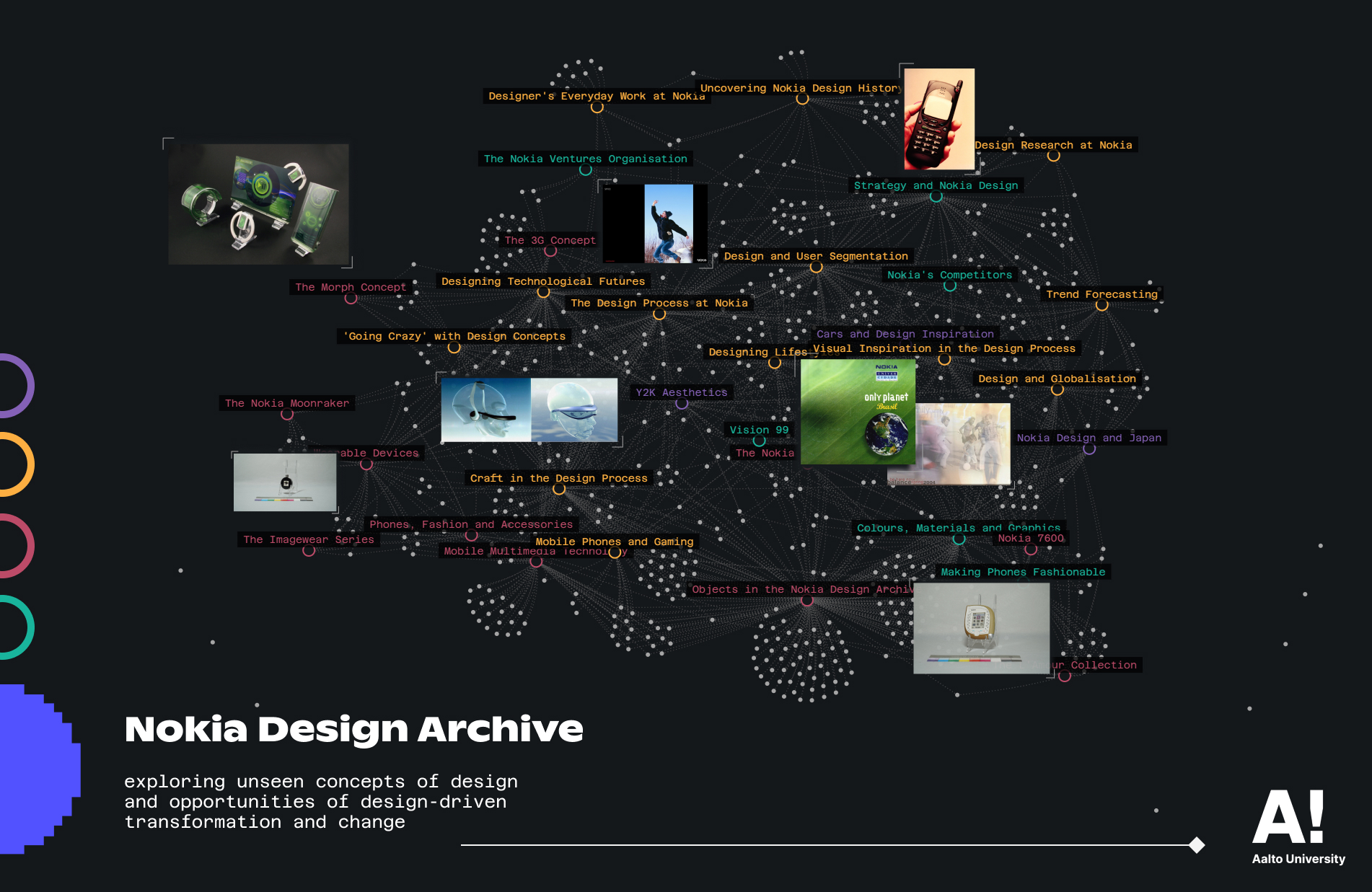
Nokia Design Archive
Exploring unseen concepts of design and opportunities of design-driven transformation and change

Evaluation framework for systems models
Abstract As decisions in drug development increasingly rely on predictions from mechanistic systems models, assessing the predictive capability of such models is becoming more important. Several frameworks for the development of quantitative systems pharmacology (QSP) models have been proposed. In this paper, we add to this body of work with a framework that focuses on the appropriate use of qualitative and quantitative model evaluation methods. We provide details and references for those wishing to apply these methods, which include sensitivity and identifiability analyses, as well as concepts such as validation and uncertainty quantification. Many of these methods have been used successfully in other fields, but are not as common in QSP modeling. We illustrate how to apply these methods to evaluate QSP models, and propose methods to use in two case studies. We also share examples of misleading results when inappropriate analyses are used.

OpenAI debuts a life sciences AI model, entering crowd of tech giants selling to pharma
OpenAI became the latest tech giant to launch a life sciences-focused AI offering, aiming to build a biopharma business.

Preparing Physicians for the Clinical Algorithm Era
The U.S. government recently took steps to ensure that clinical decision support algorithms are safe for clinical use. The next and larger step will be teaching physicians how to use the algorithms ...

Preparing Physicians for the Clinical Algorithm Era
The U.S. government recently took steps to ensure that clinical decision support algorithms are safe for clinical use. The next and larger step will be teaching physicians how to use the algorithms ...
Jude Gomila on Twitter / X
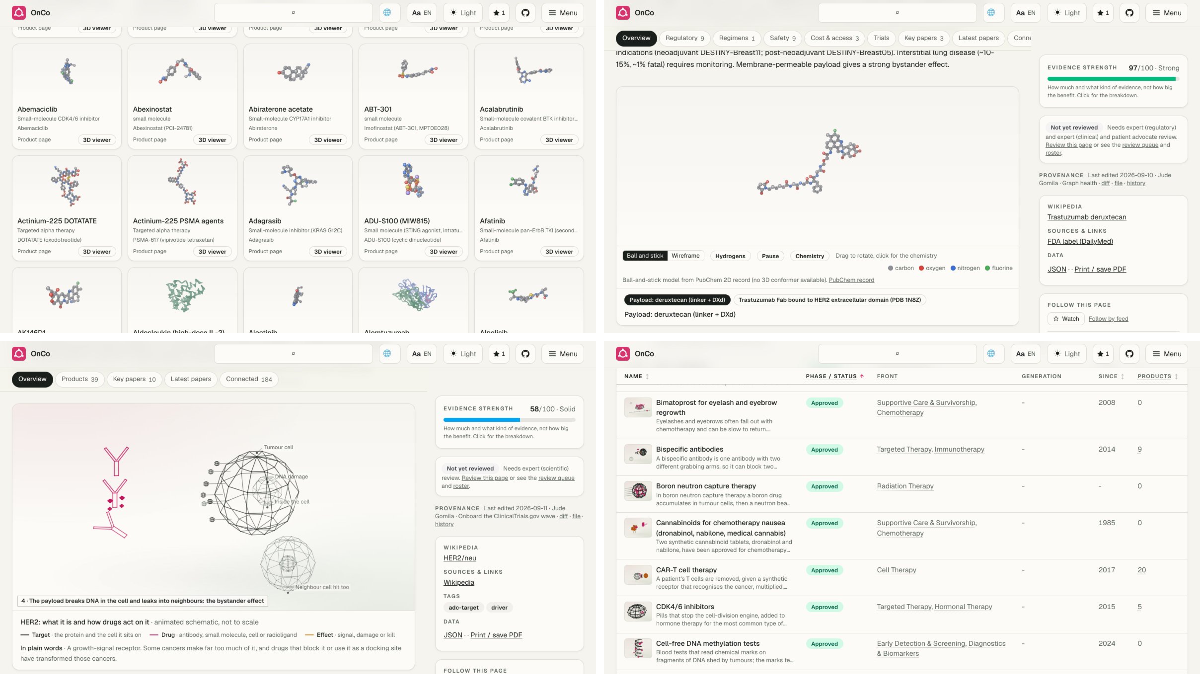
I've attempted to map everything in oncology in a public website and open source repo for all. The site is trying to get all cancers, products, technologies, bottlenecks, people, startup opportunities with 1000+ ideas for upgrading the field. If you have a loved one with… pic.twitter.com/ff5Bdss5BT— Jude Gomila (@judegomila) September 16, 2026

Design for Real Life
You can't always predict who will use your products, or what emotional state they'll be in when they do. But by identifying stress cases and designing with compassion, you'll create experiences that support more of your users, more of the time.

I've Been Writing About AI for Two Years. I Was Looking at the Wrong Part of the World.
There is an app in Lagos that can tell you whether your malaria medication is real or counterfeit.

The Medium is the Message: How Non-Clinical Information Shapes Clinical Decisions in LLMs | Proceedings of the 2025 ACM Conference on Fairness, Accountability, and Transparency
There has been a growing interest in the HCI community to study Health, with particular focus in understanding healthcare practices and designing technologies to support and to enhance these practices. A majority of current health studies in HCI have ...
