


This book discusses how nanomedicine can be used for better drug delivery, to overcome resistance and to boost anti-cancer immunity.
Egon Willighagen (@egonw@social.edu.nl)
I commented on @PubPeer@mastodon.social on "Advances in nanomaterial-mediated CRISPR/Cas delivery: from lipid nanoparticles to vesicle-derived systems" https://doi.org/10.3389/fbioe.2025.1669104, that got published today. I don't do this often, and even hesitant to post here. But I have some questions: https://www.pubpeer.com/publications/E18F253C8EB7B947220AFDB4F608FC#1 I welcome if other people can also have a look. I did some journal editing yesterday, and that makes me sometimes more critical than I need to be.
$250 million, 300 scientists and 40 labs: Sean Parker’s revolutionary project to ‘solve’ cancer
The collaboration, which will be formally announced Wednesday, focuses on immunotherapy -- an area of research that many believe represents the future of cancer treatment.

mRNA cancer vaccine succeeded in Phase 3 melanoma trial, Moderna and Merck say
The vaccine reportedly thwarted the cancer's return and spread.
mRNA vaccine for melanoma reduces relapse after therapy, trial finds
A personalized mRNA cancer vaccine combined with immunotherapy cuts the risk of recurrence by nearly half, researchers say.
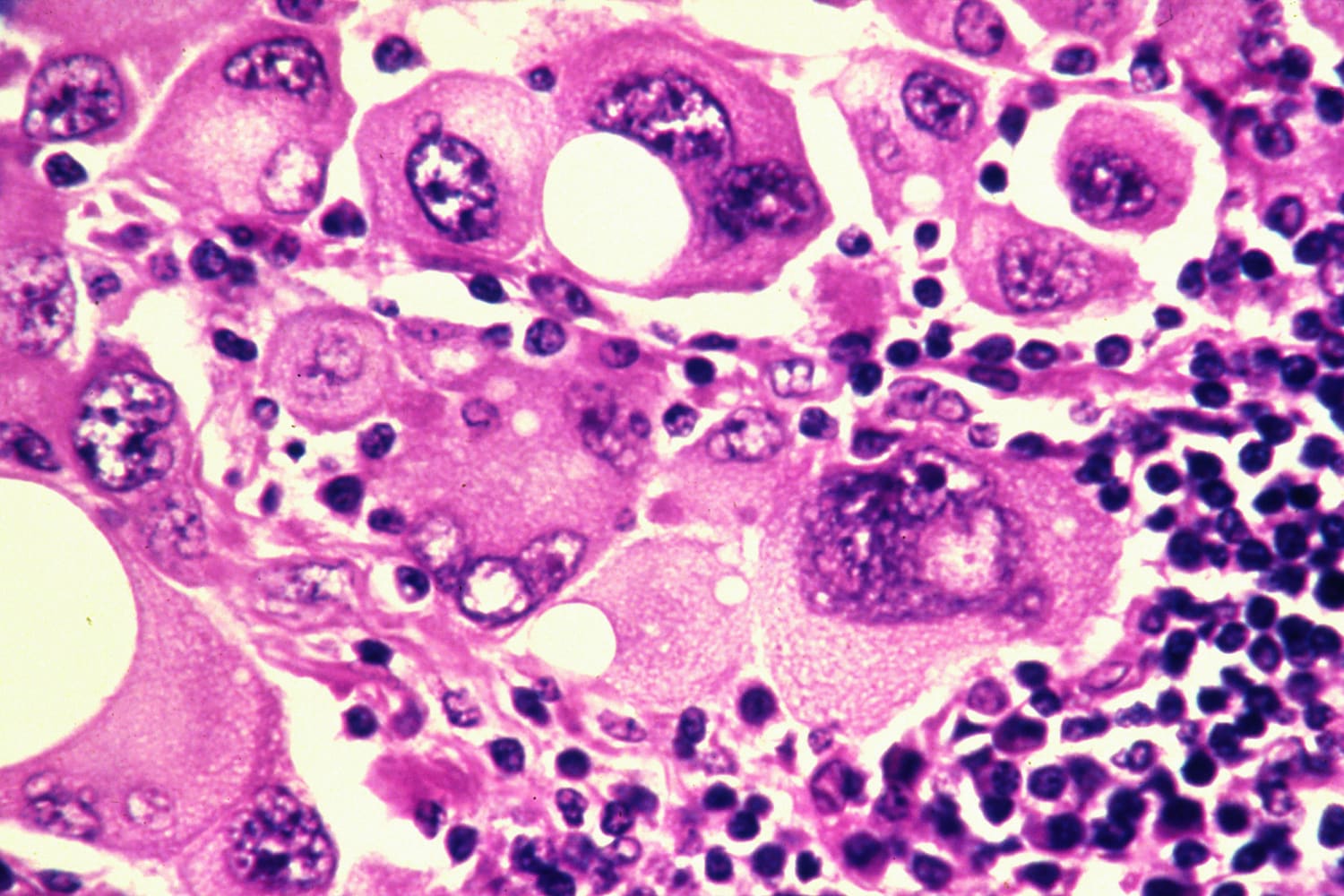

Patient-derived model capturing hypoxia and extracellular matrix remodelling of immunologically cold high-grade serous tumours
High-grade serous carcinoma tumours present poor survival rates, often associated with immunologically excluded environments driven by hypoxia and extensive extracellular matrix remodelling that disrupt tumour-stromal-immune interactions. Current experimental models fail to fully capture these microenvironmental features, limiting understanding of tumour-immune dynamics and drug development. Here, we present bioengineered patient-derived tumour-immune models to mimic physiologically relevant oxygen levels and extracellular matrix remodelling. Cancer cells are co-cultured with cancer-associated fibroblasts within human plasma-3D matrices or grown on decellularized human ovaries. Immune cells are either included within the 3D constructs to study multi-cellular interactions or challenged to infiltrate the matrices. We demonstrate that intratumoural hypoxia acts as a friend and a foe enhancing the activation and cytotoxicity of CD8 + T cells while inducing stromal/matrix dysregulation associated with impaired immune infiltration. Targeting TGF-β signalling attenuates the hypoxia-driven stromal-mediated immune exclusion. These relevant models may aid the development of targeted therapies to transform immunologically cold tumours into immunogenic to benefit female patients.
Measles isn’t just dangerous – it may erase your immune system
The measles vaccine may do more than we thought – and the growing number of outbreaks makes ensuring you’re protected ever more urgent.

Measles isn’t just dangerous – it may erase your immune system
The measles vaccine may do more than we thought – and the growing number of outbreaks makes ensuring you’re protected ever more urgent.
A personalized vaccine for melanoma cut the risk of cancer returning after five years
If the vaccine is effective in a late-stage trial, it would be “paradigm-shifting,” one expert said.
Pancreatic cancer mRNA vaccine shows lasting results in an early trial
Scientists caution that more research is needed, but nearly all of the patients who responded to the personalized vaccine are still alive six years later.

New Procedure Allows Kidney Transplants From Any Donor (Published 2016)
The procedure, reported in The New England Journal of Medicine, involves a reboot of a patient’s immune system and could also work for lung and liver transplants.

FDA approves first mRNA-based flu vaccine | CNN
The US Food and Drug Administration on Wednesday approved the United States’ first mRNA-based flu vaccine for adults 50 and older, drugmaker Moderna said.

Mathematical Discovery of Potential Therapeutic Targets: Application to Rare Melanomas
Patients with rare types of melanoma such as acral, mucosal, or uveal melanoma, have lower survival rates than patients with cutaneous melanoma; these lower survival rates reflect the lower objective response rates to immunotherapy compared to cutaneous melanoma. Understanding tumor-immune dynamics in rare melanomas is critical for the development of new therapies and for improving response rates to current cancer therapies. Progress has been hindered by the lack of clinical data and the need for better preclinical models of rare melanomas. Canine melanoma provides a valuable comparative oncology model for rare types of human melanomas. We analyzed RNA sequencing data from canine melanoma patients and combined this with literature information to create a novel mechanistic mathematical model of melanoma-immune dynamics. Sensitivity analysis of the mathematical model indicated influential pathways in the dynamics, providing support for potential new therapeutic targets and future combinations of therapies. We share our learnings from this work, to help enable the application of this proof-of-concept workflow to other rare disease settings with sparse available data.

Pathologic Complete Response Achieved in Early-Stage HER2-Positive Breast Cancer After Neoadjuvant Therapy With Trastuzumab and Chemotherapy vs. Trastuzumab, Chemotherapy, and Pertuzumab: A Systematic Review and Meta-Analysis of Clinical Trials
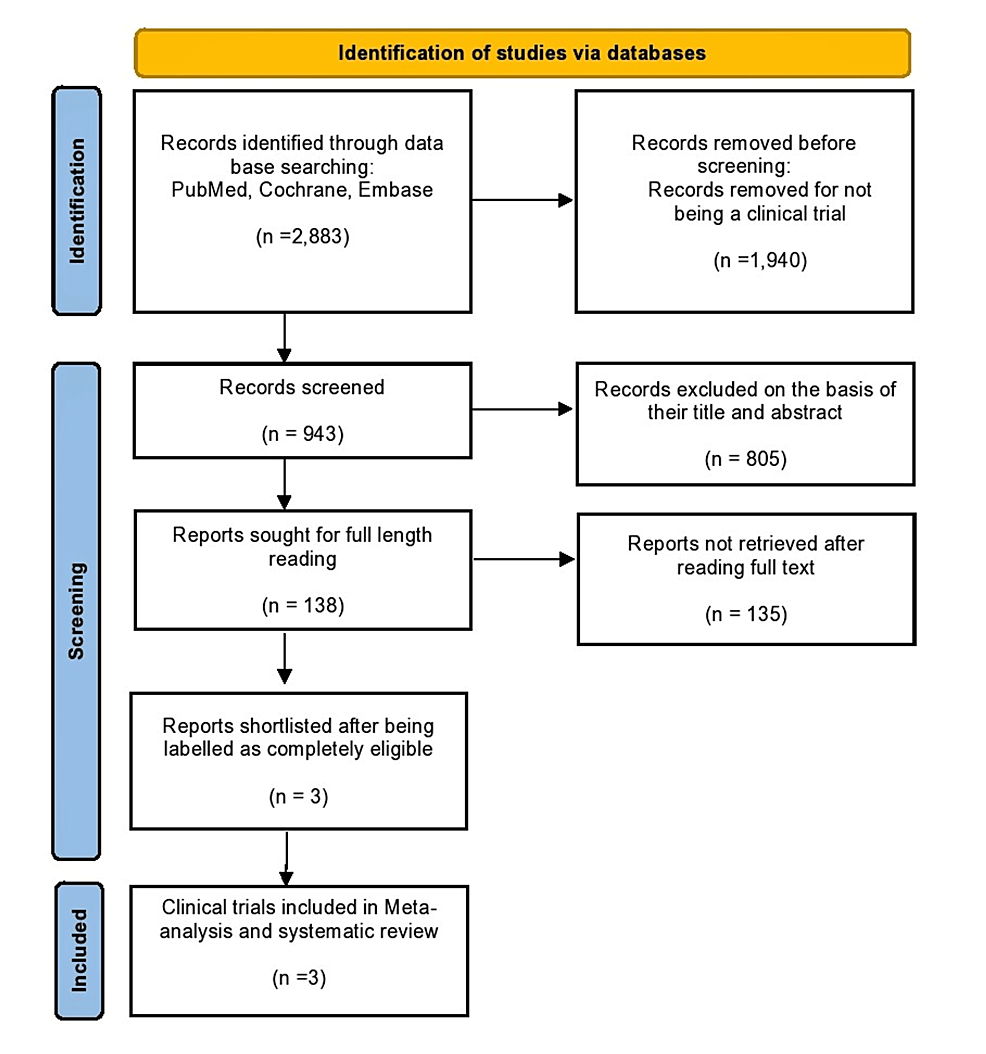
Patients diagnosed with human epidermal growth factor receptor 2 (HER2)-positive breast cancer require treatment upfront because of the aggressive nature of this type of cancer. Patients with early-stage HER2-positive breast cancer are usually treated with neoadjuvant therapy. This neoadjuvant therapy comprises targeted therapy and chemotherapy. Targeted therapy is given with trastuzumab. Pertuzumab is either administered or not with trastuzumab as a targeted therapy. This systematic review and meta-analysis aim to find out and compare the benefit achieved in terms of pathologic complete response (pCR) by adding pertuzumab to the neoadjuvant treatment regimen for early-stage HER2-positive breast cancer patients. Various databases were searched to find out relevant clinical trials. After going through PubMed, Embase, and Cochrane, three clinical trials were shortlisted for this systematic review and meta-analysis. These three clinical trials were double-armed. Pertuzumab was present in one arm while being absent in one arm to assess the benefit of adding pertuzumab in terms of pCR achieved. Data were analyzed using RevMan Web (Cochrane, London, UK). The odds ratio and 95% confidence interval were calculated for the outcome. The Mantel-Haenszel method and random effect model were used for analysis. The risk of bias in studies was evaluated using the Cochrane risk of bias tool for randomized controlled trials (ROB2). The summary statistics showed that the incidence of pCR was more in the experimental group (having pertuzumab) as compared to the control group (without pertuzumab) with an odds ratio of 2.10 (95% CI: 1.56-2.83) with I2 = 0%. In three double-arm trials, there were 840 participants, 445 in the experimental group and 395 in the control group. A total of 203 (45%) patients out of 445 in the experimental group achieved pCR, whereas 127 (32%) patients out of 395 in the control group achieved pCR. Through the results of this study, it can be concluded that the rate of pCR achieved was higher in that arm in which pertuzumab was present compared to the study arm in which only trastuzumab was given as targeted therapy. Thus, it can be suggested that pertuzumab be added to the neoadjuvant regimen for early-stage HER2-positive breast cancer patients. This would result in achieving a better pCR. And by improving pCR rates, the survival outcomes of patients can be significantly improved.
Fighting Cancer - Hintjens.com
Biography | Portfolio | GitHub Books | Videos | Slides | Stories | Wiki Contact
