The rapid advancement of artificial intelligence (AI) is reshaping assistive technologies, offering new possibilities for enhancing the independence, …
I tried to check out the papers this links to, but a whole bunch of them (maybe most of them) are ei — @aiueo.ooo
The influence of artificial intelligence on individuals with disabilities - ScienceDirect
The influence of artificial intelligence on individuals with disabilities
The rapid advancement of artificial intelligence (AI) is reshaping assistive technologies, offering new possibilities for enhancing the independence, communication and quality of life of individuals with disabilities. This study presents a qualitative scoping review of 47 peer-reviewed articles published between 2018 and 2025, examining how AI has been integrated into assistive tools across domains such as mobility, communication, cognitive support, education and independent living. Specific AI applications include object recognition, gesture-based control, navigation assistance, emotion detection and natural language processing. The review highlights significant progress in personalization and real-time adaptation, while also identifying persistent challenges such as algorithmic bias, cost barriers, data privacy concerns and unequal access, particularly in low-resource settings. Ethical considerations and the need for inclusive, user-centered design approaches are emphasized. The study also underscores future research priorities, including standardization of development protocols, empirical evaluation of long-term effectiveness and policy frameworks to ensure equitable access. By synthesizing recent developments and critical gaps, this review contributes to understanding how AI can responsibly and effectively support assistive technologies, ultimately promoting more inclusive environments for people with disabilities.
AI Doesn't Fix Accessible Systems. It Depends on Them. — Anna E. Cook
Why AI depends on the foundation accessible design systems build — and how "AI will fix accessibility" is producing the opposite outcome at industry scale.

How AI Glasses Are Empowering People With Disabilities
Our AI glasses are empowering people with disabilities to perform daily tasks with greater independence.

Nothing About Us, Without Us: Disability Justice and AI
Intersectionality, ways that AI can support the disabled, and how we can win the race to make AI more inclusive.

Artificial intelligence-powered smart vision glasses for the visually impaired
Purpose: In India, 4.80 million people are blind, and 4.69 million have severe visual impairment. Globally, the digital era and the advent of artificial intelligence devices offer solutions for daily challenges faced by the visually impaired, but they are often expensive. This study evaluates the acceptance and usability of a cost-effective AI-powered spectacle-mounted assistive device in a multicentric Indian cohort. Methods: Smart vision glass (SVG) is a lightweight tool, mounted on a spectacle frame with braille-coded keys and a real-time voice interface for guiding the visually impaired, and is connected to a smartphone Android App. The four major functions of the device are as follows: “Things Around You,” “Reading,” “Walking Assistance,” and “Face Recognition.” Ninety participants were recruited from five vision rehabilitation centers across India, and feedback was collected after a month’s usage. Results: The mean age of the participants was 23.5 years (range: 6 to 56 years) with 58.9% male; 51% from rural areas; and 64.4% students. As per the World Health Organization (WHO) classification, 90% of the participants were blind (best corrected visual acuity in better eye less than 3/60). A total of 100% of the participants were able to access all the functions of the SVG. Participants reported a positive experience with “Reading” (72.9%), “Things Around You” (44.7%), “Face Recognition” (36.5%), and “Walking Assistance” (22.4%). About 2/3rd of the participants utilized the device for an hour or more per day. Conclusion: SVG is a promising cost-effective device for the blind and severe visually impaired in aiding their day-to-day challenges and becoming self-reliant.

Is Meta Using Disabled People to Promote Its Glasses?
AI glasses are a double-edged sword for disabled people, who face unique risks from surveillance.

#LiberatingWebinars: Disability Justice & Crip Technoscience: Racism & Ableism in AI
Guides: AI-Based Disability Tools and Resources: Home
This guide provides information about AI tools and research resources related to disabilities.
Is AI on the Spectrum? Exploring the Parallels Between Artificial Intelligence and Autism Spectrum Disorder
An in-depth analysis of the similarities between AI behaviors and traits observed in Autism Spectrum Disorder, and how AI is being utilized in autism research and support.
Study Finds Growing Workplace Use of Smart Glasses and Generative AI Among Workers with Visual Impairments | Naric
A study funded by the National Institute on Disability, Independent Living, and Rehabilitation Research (NIDILRR).
What AI is Really For - Christopher Butler
After three years of immersion in AI, I have come to a relatively simple conclusion: it’s a useful technology that is very likely overhyped to the
Do People Engage Cognitively with AI? Impact of AI Assistance on Incidental Learning
As part of the Digital Library's transition to Open Access, new features for researchers are available in the Premium Edition. Click here to learn more.
Artificial Intelligence (AI) and Accessibility Research Symposium 2023
Accessibility resources free online from the international standards organization: W3C Web Accessibility Initiative (WAI).
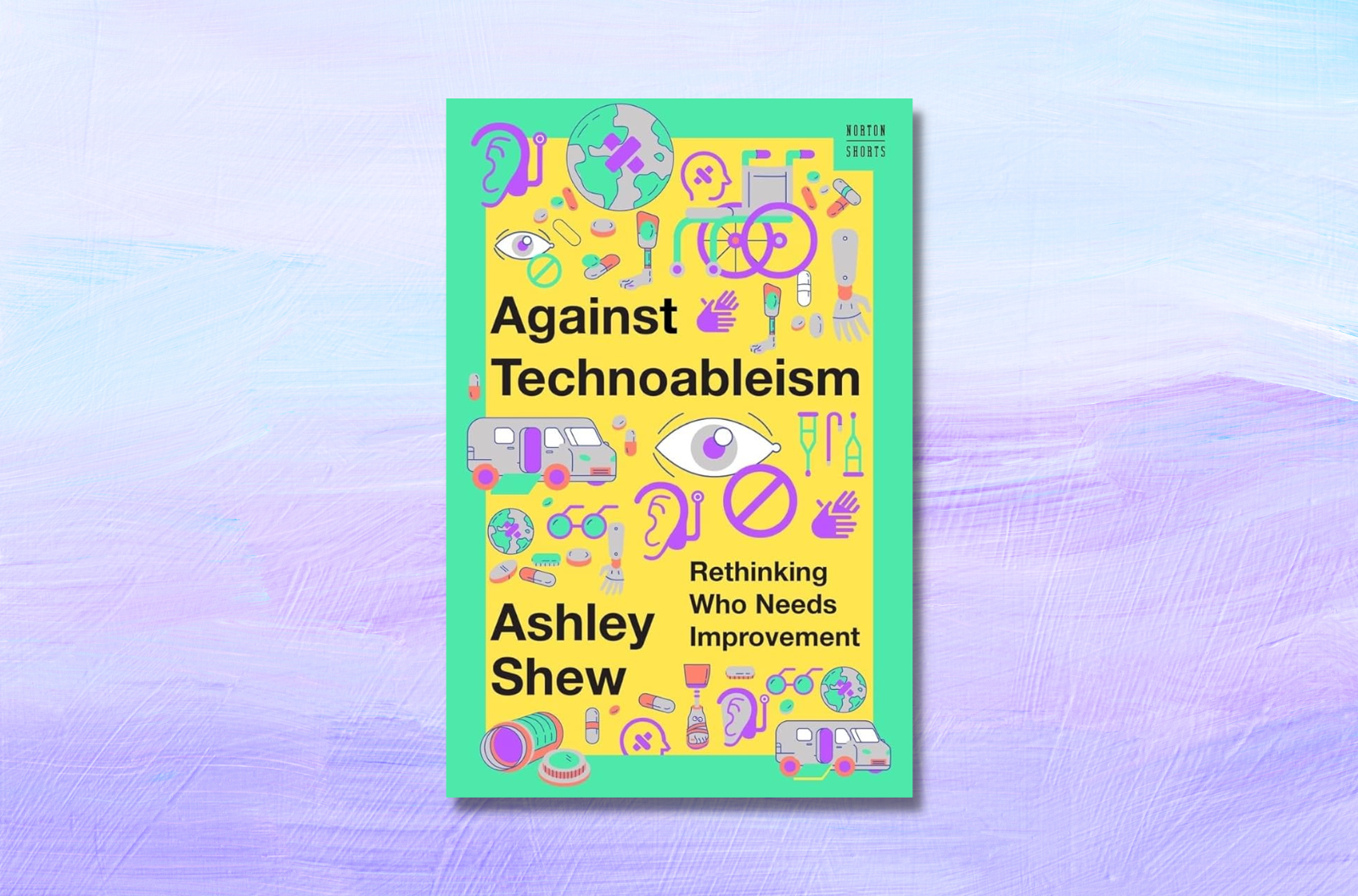
Ask Disabled People What They Want. It’s Not Always Technology.
While our lives are deeply entangled with technologies of all kinds, disabled people are almost never included in discussions about technology.
Knowing less about AI makes people more open to having it in their lives – new research
People with less AI literacy often see the technology as ‘magical’ and awe-inspiring.