


Recognition of the relevance of colonial history to the contemporary practice of global health is not new, but the recent increase in visibility and prominence given to it by global health institutions and flagship journals is welcome when accompanied by meaningful reflection and action.1
Metrics for biodiversity and health policy integration
Despite over a decade of progressive commitments from parties to the Convention on Biological Diversity (CBD), integrated biodiversity and health indicators and monitoring mechanisms remain limited, hampering achievement of the sustainable development goals and improvements in health and well-being. Adoption of the Kunming-Montreal Global Biodiversity Framework (2022) and the Global Action Plan on Biodiversity and Health (2024) provide a renewed entry point to shape the way governments approach health and wellbeing and address the environmental burden of disease. This is a critical opportunity that scholars at the health-environment nexus should not miss. This Perspective outlines building blocks to mobilize the field, starting with essential terminology and a scope of metrics needed by governments. We then evaluate elements to be considered in the construction of integrated metrics, including concepts, overarching challenges, a review of scientific hypotheses from an ecological perspective, as well as a set of principles and characteristics for indicators. To raise awareness across parallel communities of practice working at the health-environment nexus, we then briefly examine four approaches to integrated metrics developed by: conservationists, Indigenous scholars, One Health experts, and planetary health experts. We conclude with actionable steps to enhance governance, mobilize funding, and apply integrated indicators in national and global strategies. A broad science community is needed to support national governments to meet global commitments to address biodiversity loss and the environmental burden of disease concurrently. The overall aim of this paper is to contribute to addressing biodiversity loss by effectively linking policy and transdisciplinary practice at the health-environment nexus.

Safeguarding human health in the Anthropocene epoch: report of The Rockefeller Foundation–Lancet Commission on planetary health
Far-reaching changes to the structure and function of the Earth's natural systems represent a growing threat to human health. And yet, global health has mainly improved as these changes have gathered pace. What is the explanation? As a Commission, we are deeply concerned that the explanation is straightforward and sobering: we have been mortgaging the health of future generations to realise economic and development gains in the present. By unsustainably exploiting nature's resources, human civilisation has flourished but now risks substantial health effects from the degradation of nature's life support systems in the future.

Projects – discover our non-empty spaces
Fostering spaces for growth is an important part of our trajectory. We seek to harness the combined power of practice, critical inquiry and creativity to address some of the issues of our times - health, environmental awareness, social equality and multilingual, trans-cultural collaborations.
Daniel Christian Wahl: “Bioregional Futures: Reconnecting to Place for Planetary Health” - The Great Simplification
In the past century of abundant energy surplus, humanity’s globalized, large-scale approach to problem-solving

annotations: La tiers-mondisation de l'Amérique
traduction française du billet de blog "The third-worlding of America" de Paul Krugman
Biodiversity and global healthâhubris, humility and the unknown
Biodiversity and global healthâhubris, humility and the unknown, Stephens, Carolyn
Opinion | Why Save a Language? (Published 2014)
Hint: It’s not to preserve a different way of seeing the world.

We asked our climate reporters to highlight one idea for positive change. We got a chronicle of global transformation
There are countless initiatives around the world that can inspire people and spur them into action. Amid the devastation of the climate crisis, our journalists strive to highlight these stories of hope
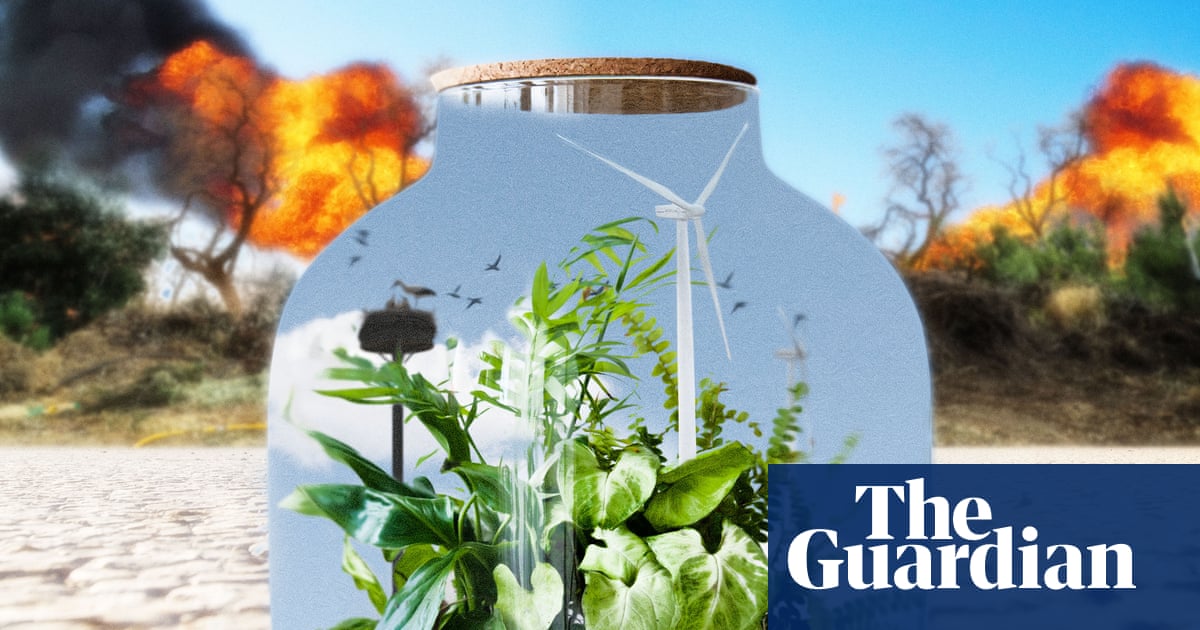
How we rank the world's most pressing problems (and why)
We started with global health, then pandemics. Now we focus on AI risk. How our views changed and what problems we'd recommend you work on today.
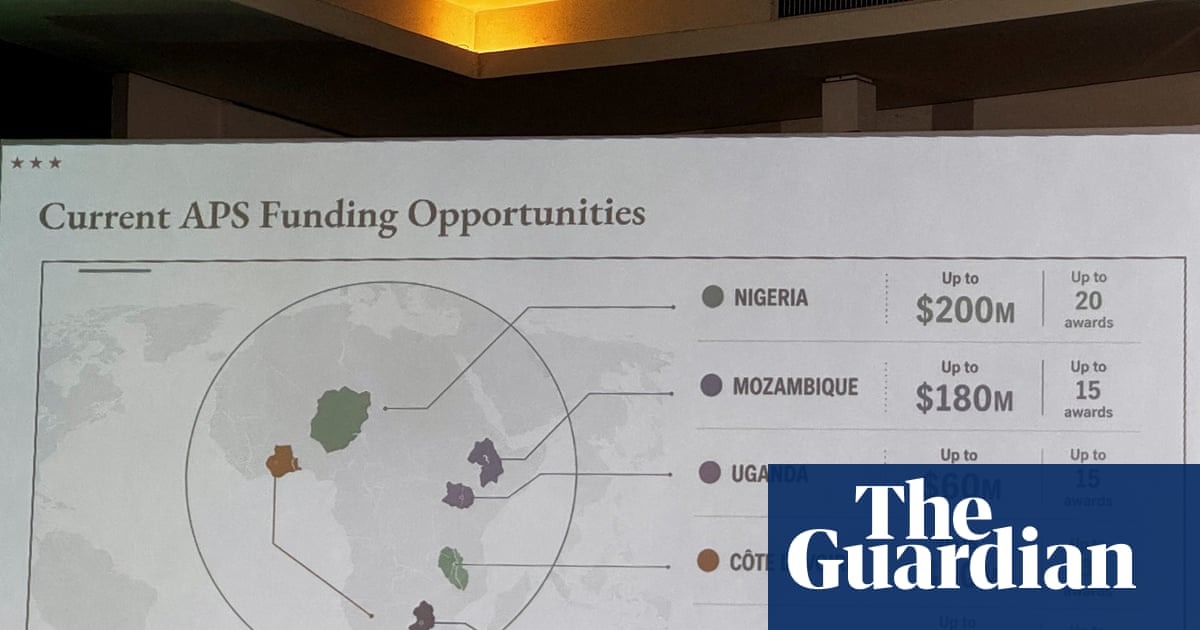
US government map of Africa mislabels every country at global conference
State department ‘takes full responsibility’ for erroneous, widely shared chart displayed at Aids conference in Brazil
Document analysis in health policy research: the READ approach
Abstract. Document analysis is one of the most commonly used and powerful methods in health policy research. While existing qualitative research manuals of
Avoidable mortality, risk factors and policies for tackling noncommunicable diseases – leveraging data for impact: monitoring commitments in the WHO European Region ahead of the Fourth United Nations High-Level Meeting
The report notes that, in order to tackle NCDs and address the commercial, social, environmental and digital determinants of health, there is a need for accelerated multisectoral whole-of-government and whole-of-society action, integrated policies, enhanced preventive measures and strengthened health systems.

Effective Altruism: doing transhumanism better
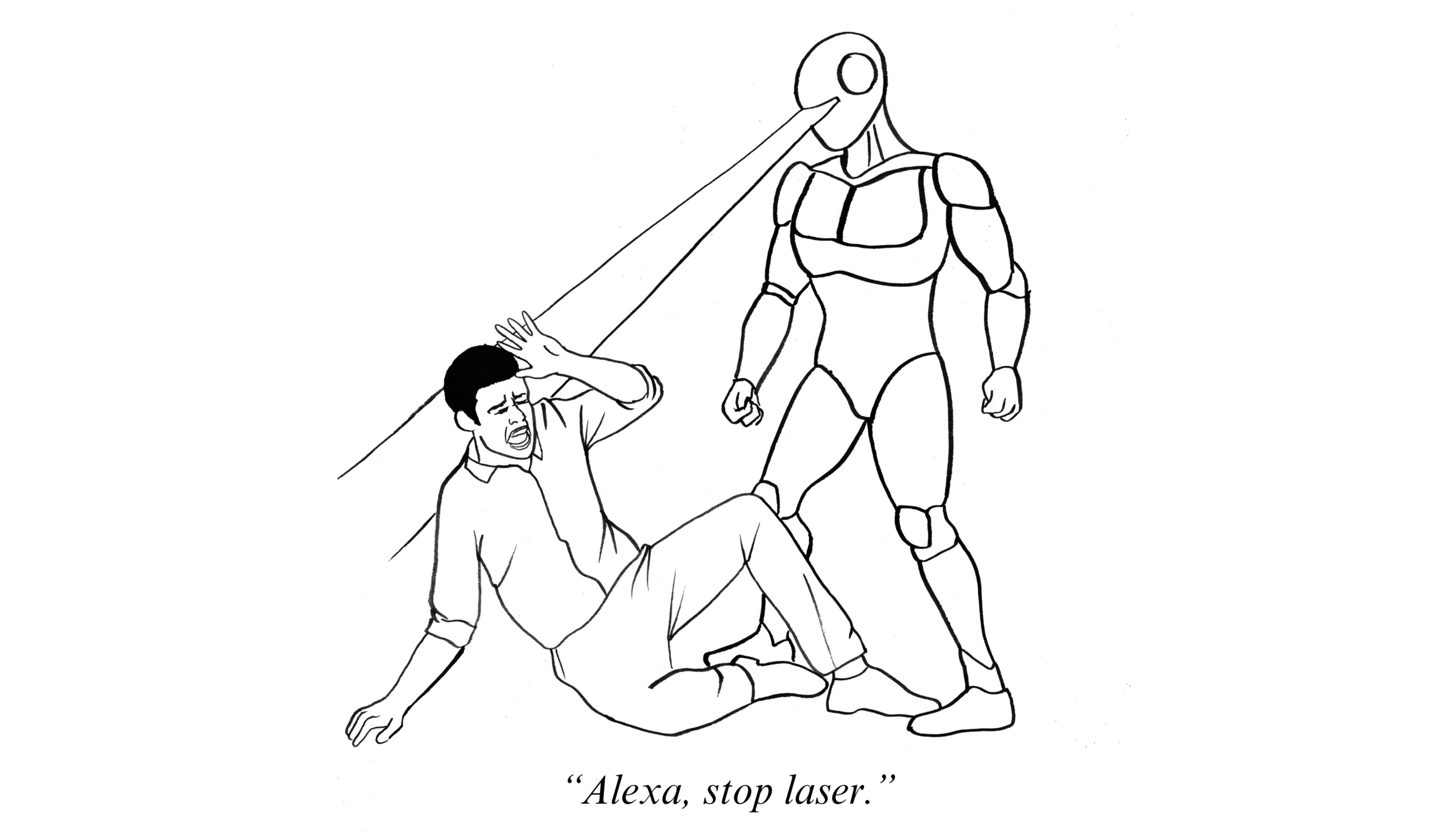
Effective Altruism (EA) is a Trojan horse for transhumanism, through which EA movement leaders and funders aim to naturalize transhumanism as the logical extension of the existing global aid and development sector. This paper traces transhumanism's mainstreaming, first via its rebranding as a humanitarian effort to save lives, protect vulnerable populations, and ensure global flourishing (what I term transhumanitarianism), and later by embedding transhumanitarianism in EA (now under the rubric of longtermism). A key component of this strategy was inverting transhumanism's techno-optimism to instead focus on safety and preventing existential risks ( x-risk ) from emerging technologies like AI and biotechnology, while simultaneously advocating for the creation of these same technologies. The paper focuses on some components of this strategy: the use of inoculation, speculative ethics, anticipatory governance, and the mobilization of apocalyptic discourse as means for producing material outcomes in the form of policy and research agendas.
PDF Reader | Immunological Discourse in Political Philosophy
annotations: La crise du Covid-19 exacerbe les injustices au travail
Blog de sciences économiques et sociales de Martin Anota. Traductions, revues de presse.
On the Cunning of Imperialist Reason - Pierre Bourdieu, Loïc Wacquant, 1999
This article poses the question of the social and intellectual conditions for genuine social scientific internationalism, through an analysis of the worldwide s...
