

Originally published elsewhere on Thursday, April 10, 2014. I have no plans to watch that new movie about Steve Jobs. As I have no plans to read Walter Isaacson's biography of him. It's not because I think those efforts are somehow not worthy of his memory. It's just that I have my own recollections of [...]
The Hero Returns: Steve Jobs’ real genius
As the three-year anniversary of Steve Jobs’ passing approaches in October, complete lessons from his life and legacy are still far from…

Steve Jobs
"FROM THE AUTHOR OF THE BESTSELLING BIOGRAPHIES OF BENJAMIN FRANKLIN AND ALBERT EINSTEIN, THIS IS THE EXCLUSIVE BIOGRAPHY OF STEVE JOBS. Based on more than forty interviews with Jobs conducted over two years--as well as interviews with more than a hundred family members, friends, adversaries, competitors, and colleagues--Walter Isaacson has written a riveting story of the roller-coaster life and searingly intense personality of a creative entrepreneur whose passion for perfection and ferocious drive revolutionized six industries: personal computers, animated movies, music, phones, tablet computing, and digital publishing. At a time when America is seeking ways to sustain its innovative edge, and when societies around the world are trying to build digital-age economies, Jobs stands as the ultimate icon of inventiveness and applied imagination. He knew that the best way to create value in the twenty-first century was to connect creativity with technology. He built a company where leaps of the imagination were combined with remarkable feats of engineering. Although Jobs cooperated with this book, he asked for no control over what was written nor even the right to read it before it was published. He put nothing off-limits. He encouraged the people he knew to speak honestly. And Jobs speaks candidly, sometimes brutally so, about the people he worked with and competed against. His friends, foes, and colleagues provide an unvarnished view of the passions, perfectionism, obsessions, artistry, devilry, and compulsion for control that shaped his approach to business and the innovative products that resulted. Driven by demons, Jobs could drive those around him to fury and despair. But his personality and products were interrelated, just as Apple's hardware and software tended to be, as if part of an integrated system. His tale is instructive and cautionary, filled with lessons about innovation, character, leadership, and values"--

Steve Jobs was a "noticer" who could be harsh at times, sensitive at others
New anecdotes bring new details, like he was "really, really, really good 1-on-1."

The Real Leadership Lessons of Steve Jobs
Reprint: R1204F The author, whose biography of Steve Jobs was an instant best seller after the Apple CEO’s death in October 2011, sets out here to correct what he perceives as an undue fixation by many commentators on the rough edges of Jobs’s personality. That personality was integral to his way of doing business, Isaacson writes, but the real lessons from Steve Jobs come from what he actually accomplished. He built the world’s most valuable company, and along the way he helped to transform a number of industries: personal computing, animated movies, music, phones, tablet computing, retail stores, and digital publishing. In this essay Isaacson describes the 14 imperatives behind Jobs’s approach: focus; simplify; take responsibility end to end; when behind, leapfrog; put products before profits; don’t be a slave to focus groups; bend reality; impute; push for perfection; know both the big picture and the details; tolerate only “A” players; engage face-to-face; combine the humanities with the sciences; and “stay hungry, stay foolish.”

Put Something Back | Steve Jobs Archive
In 2010, Steve wrote himself an email outlining his driving motivation. In fact, he had been turning to a set of core ideas for decades.

Augmenting Long-term Memory
One day in the mid-1920s, a Moscow newspaper reporter named Solomon Shereshevsky entered the laboratory of the psychologist Alexander Luria. Shereshevsky's boss at the newspaper had noticed that Shereshevsky never needed to take any notes, but somehow still remembered all he was told, and had suggested he get his memory checked by an expert.
Steve Jobs Envisioned the iPad in 1983
Visionary is one of the most frequently used words to describe Steve Jobs. Nearly a year after he passed away, historians are still digging up treasures from his life that confirm that assessment. The Next Web writes of a speech Jobs gave in 1983 at the Center for Design innovation.

Keen On... Nolan Bushnell: How To Find The Next Steve Jobs | TechCrunch
There are few figures more legendary in Silicon Valley than Nolan Bushnell, the Atari co-founder who gave Steve Jobs his first tech job and the guy who turned down the offer to buy a third of Apple for $50,000. Bushnell has a new book out called Finding The Next Steve Jobs which, he told me, is designed to help companies find that "quirky" fellow who can do the "strange things" that will change the world.

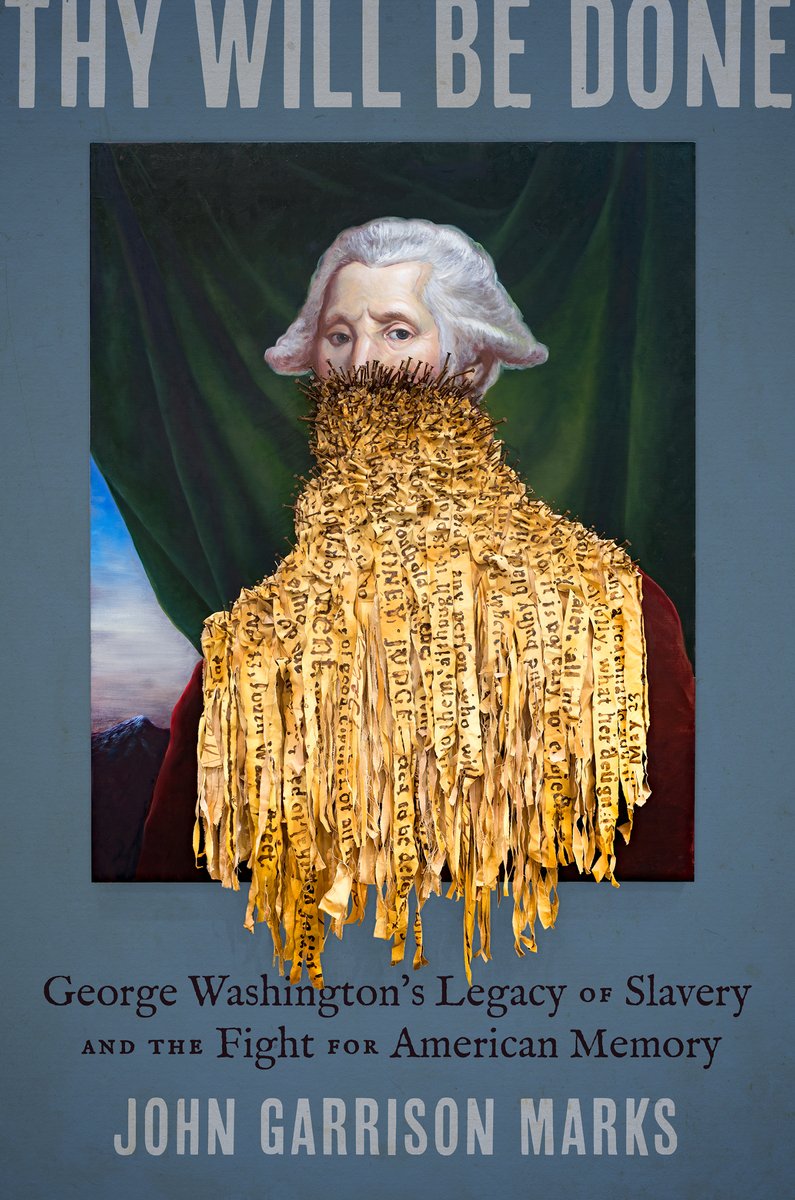
Thy Will Be Done: George Washington's Legacy of Slavery and the Fight for American Memory
George Washington's Legacy of Slavery and the Fight for American Memory
New research suggests depression impacts emotional responses to autobiographical memories
New research from the journal Cognitive Behaviour Therapy points to a cognitive bias that might be involved in the maintenance of negative mood among

We still live in Steve Jobs’s brave new world
Forty years ago, Apple unveiled the Macintosh—and computing changed forever

The Steve Ballmer Interview
Spielberg’s ‘A.I.’ Divided Critics, but It’s the Ultimate Coming-of-Age Story 20 Years Later
Movies don't change, we do. And where you are in life may affect how you receive the heartbreaking vision of this film.

Jürgen Leschner on Twitter / X
Making organizational memories == agent memories is the unlock. https://t.co/Tk9fV17iny— Jürgen Leschner (@jldec) July 28, 2025