

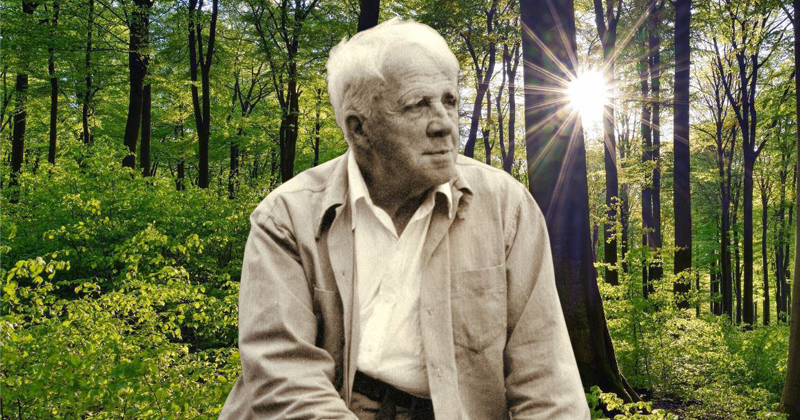
I write prose, not poetry, but the most helpful piece of advice I’ve ever read was written by a poet: Robert Frost, who was born 147 years ago today. In the second, expanded edition of his Co…
The Golden Rule for Becoming a Better Writer - T.R Napper
I’m obsessed with the craft of writing. I write every day, I read about the craft often, and in my...


On Writing #3
Periodically I like to gather various observations about writing, and share my perspective.

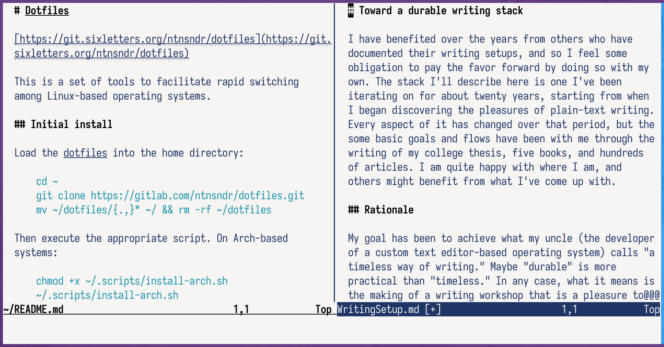
Toward a durable writing stack – Writings and rehearsals by Nathan Schneider
I have benefited over the years from others who have documented their writing setups, and so I feel some obligation to pay the favor forward by doing so with my own. The stack I’ll describe here is one I’ve been iterating on for about twenty years, starting from when I began discovering the pleasures of plain-text writing. Every aspect of it has changed over that period, but the some basic goals and flows have been with me through the writing of my college thesis, five books, and hundreds of articles. I am quite happy with where I am, and others might benefit from what I’ve come up with.
Robert Hanks · On Putting Things Off
Job gone, I sat around trying to write, managing bits and pieces, but earning very little. And then my marriage drifted away too, leaving me, in Alan Partridge’s phrase, clinically fed-up boo-hoo. My wife, having said she would leave, took two and a half years to find a way of doing it – there is a small consolation in not being the only procrastinator in the relationship. While this was going on the LRB commissioned me to write about Richard Hughes, who wrote A High Wind in Jamaica. I like Hughes and it seemed like a job I could get on with. I cheerfully settled to the research, reading the novels I hadn’t read, rereading the ones I had. Then I started writing, or that’s what I told myself: some paragraphs, some sentences, a sketch of a plan, then some rewriting, rearranging, scrubbing, more rewriting, more scrubbing, pauses to reconsider. Then I did some more research: the short stories, the children’s stories, the poems and plays, the journalism, Richard Perceval Graves’s biography, then back to the rewriting …

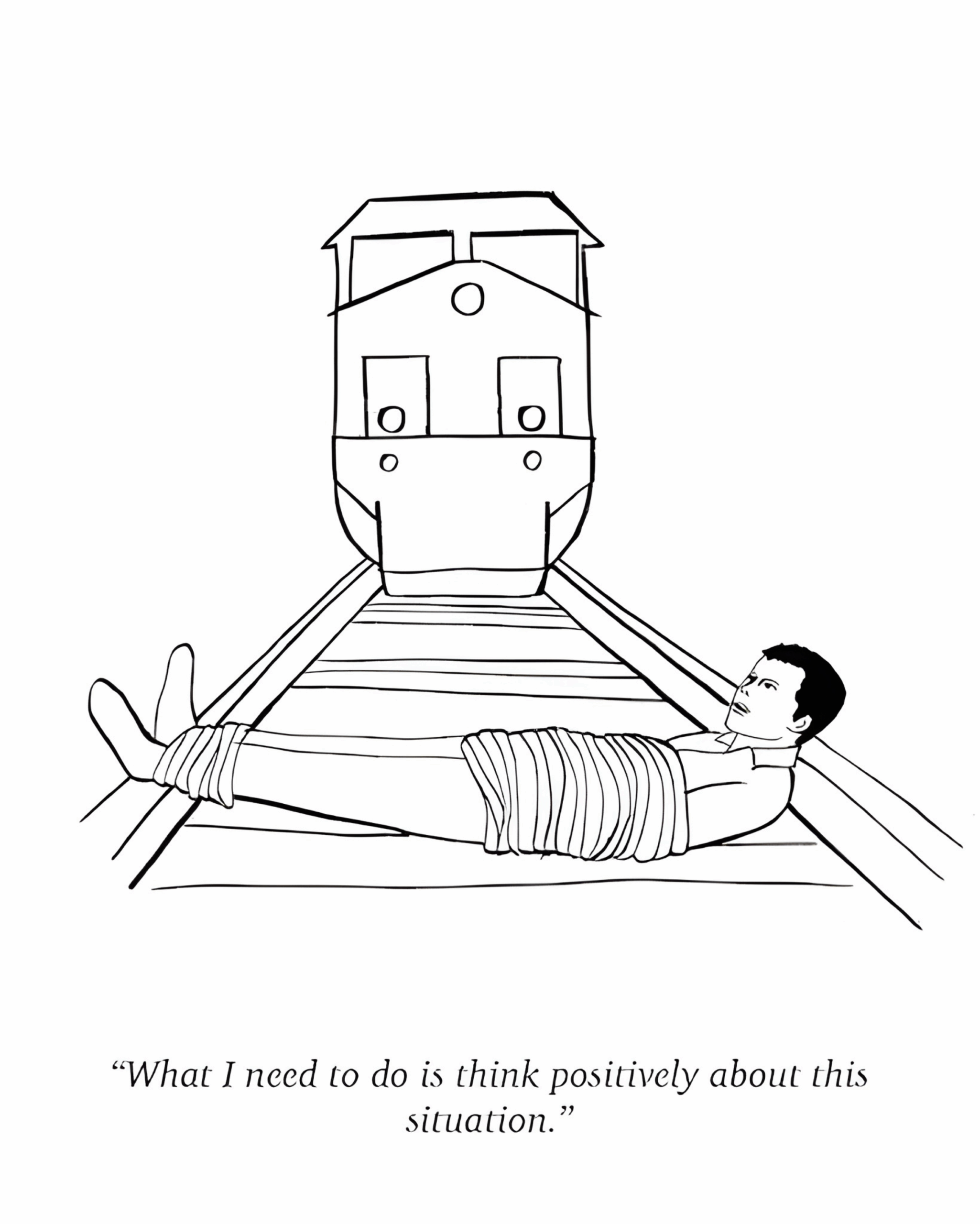
help! my husband is addicted to Claude Code.
the first, and possibly last, writerbuilder advice column

Geoffrey Litt
Here’s a very incomplete list of people whose work I’ve found inspirational. If your taste is similar to mine, maybe you’ll get some inspiration from their work too.

From social skills to sleep patterns: all the self-help advice that actually works
Much advice on how to be successful is wrong, or useless cliches. Here we cover the best advice we've found in the last 5 years that's backed by evidence.
Guidance on Authoring Lexicons
At last weekend's Atmosphere Conference, there were a lot of questions about how author Lexicons. I thought it would be a good idea to share some guidance.
Today · Standard Reader
Fresh writing from the publications you subscribe to, every day.
How I draft stories
I discovered that trying to write one big blob does not work for me. I can get as far as 2000 words before the volume overwhelms. As with many things in life, breaking it down into pieces helps a lot! This is where most outlining writers suggest a big bulleted
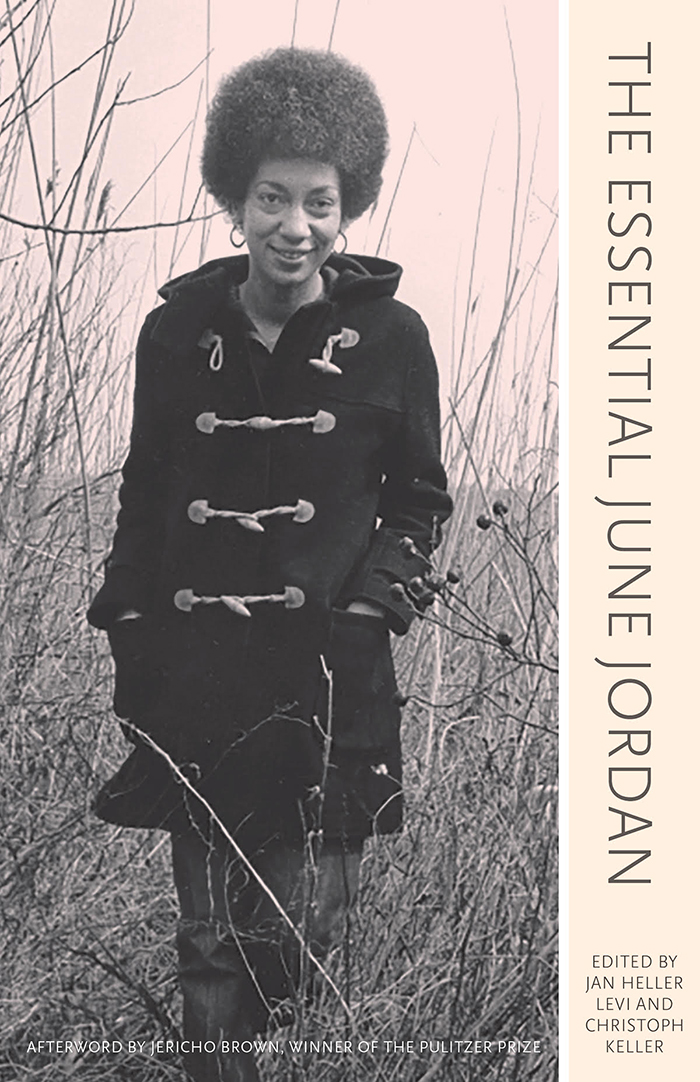
The Essential June Jordan, Jan Heller Levi, Christoph Keller, eds. - Copper Canyon Press
The Essential June Jordan honors the enduring legacy of a poet fiercely dedicated to building a better world. In this definitive volume, featuring an afterword by Pulitzer Prize-winner Jericho Brown, June Jordan’s generous body of poetry is distilled and curated to represent the very best of her works. Written over the span of several decades―from Some Changes in 1971 to Last Poems in 2001―Jordan’s poems are at once of their era and tragically current, with subject matter including racist police brutality, violence against women, and the opportunity for global solidarity amongst people who are marginalized or outside of the norm. In these poems of great immediacy and radical kindness, humor and embodied candor, readers will (re)discover a voice that has inspired generations of contemporary poets to write their truths. June Jordan is a powerful voice of the time-honored movement for justice, a poet for the ages.
Might I recommend this poem by Melissa Lozada-Oliva, which is a response to this sort of comment

Melissa Lozada-Oliva - Like Totally Whatever
youtu.bePoetic Research Journal Club

Readings and Resources for the Poetic Research Journal Club
AI as the Catalyst of the New Paradigm of Science? | Cadmus Journal

Reinventing Discovery
