


Self-replicating, bacterial life first appeared on Earth about 4 billion years ago. For most of Earth’s history, life remained at the single-celled level, and nothing like a nervous system existed …
Octopus | Built for Researchers
Get started with Octopus, an open access platform where researchers can read, review and publish findings at all stages of the scientific process.

Earliest octopuses were giant top predators in Cretaceous oceans
Top predators drive changes in ecosystem structure. For the last ~370 million years, large-sized vertebrates have dominated the apex of the marine food chain, while invertebrates have served as smaller prey. Here we describe invertebrate top predators ...

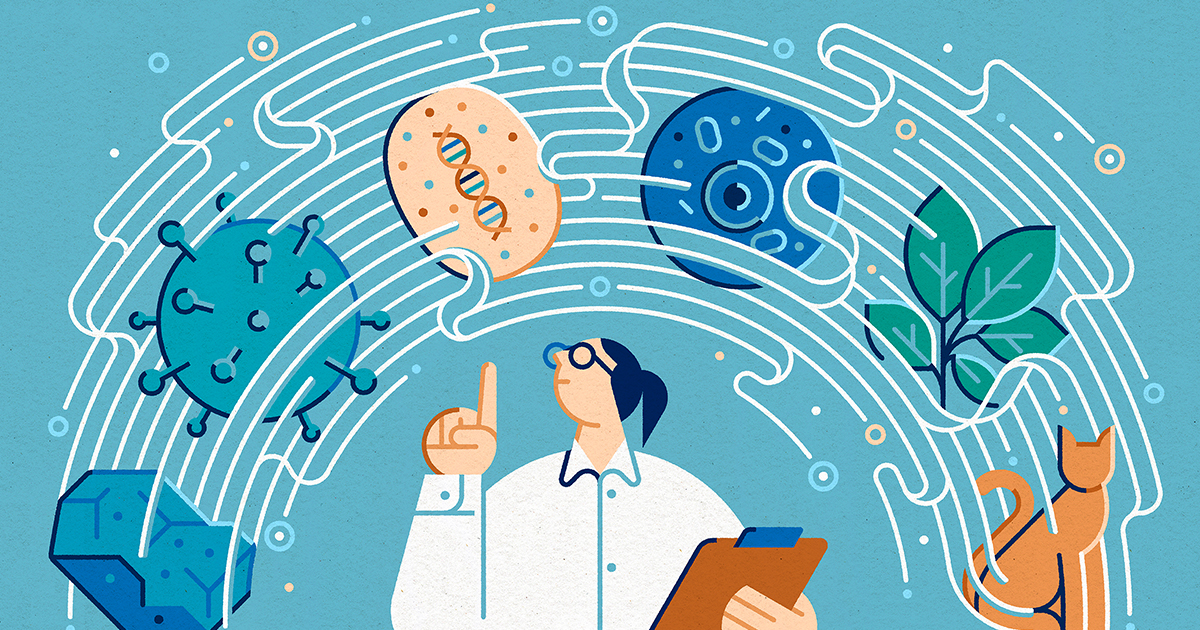
A Cell So Minimal That It Challenges Definitions of Life | Quanta Magazine
The newly described microbe represents a world of parasitic, intercellular biodiversity only beginning to be revealed by genome sequencing.
The cognitive cell: bacterial behavior reconsidered
Research on how bacteria adapt to changing environments underlies the contemporary biological understanding of signal transduction, and signal transduction provides the foundation of the information-processing approach that is the hallmark of the ‘cognitive revolution,’ which began in the mid-20th century. Yet cognitive scientists largely remain oblivious to research into microbial behavior that might provide insights into problems in their own domains, while microbiologists seem equally unaware of the potential importance of their work to understanding cognitive capacities in multicellular organisms, including vertebrates. Evidence in bacteria for capacities encompassed by the concept of cognition is reviewed. Parallels exist not only at the heuristic level of functional analogue, but also at the level of molecular mechanism, evolution and ecology, which is where fruitful cross-fertilization among disciplines might be found.

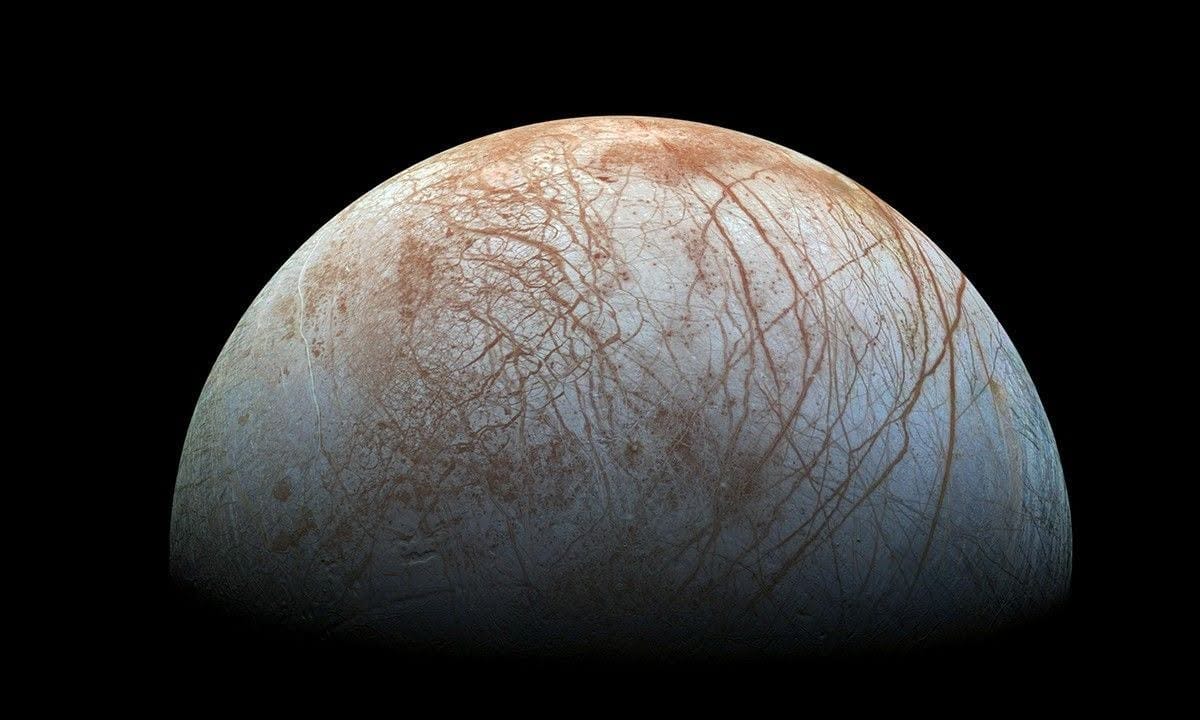
‘Highly Plausible’ Aliens on Europa Are Earthlings’ Descendants, Study Says
A new study suggests that bacteria dispersed through space on dust grains could potentially arrive intact and alive on Jupiter’s moon Europa.
Octosphere, an experiment in decentralised science with ATProto – Andreas Varotsis
Bridging Octopus and the Atmosphere with lots of vibes

Synthetic philosophy
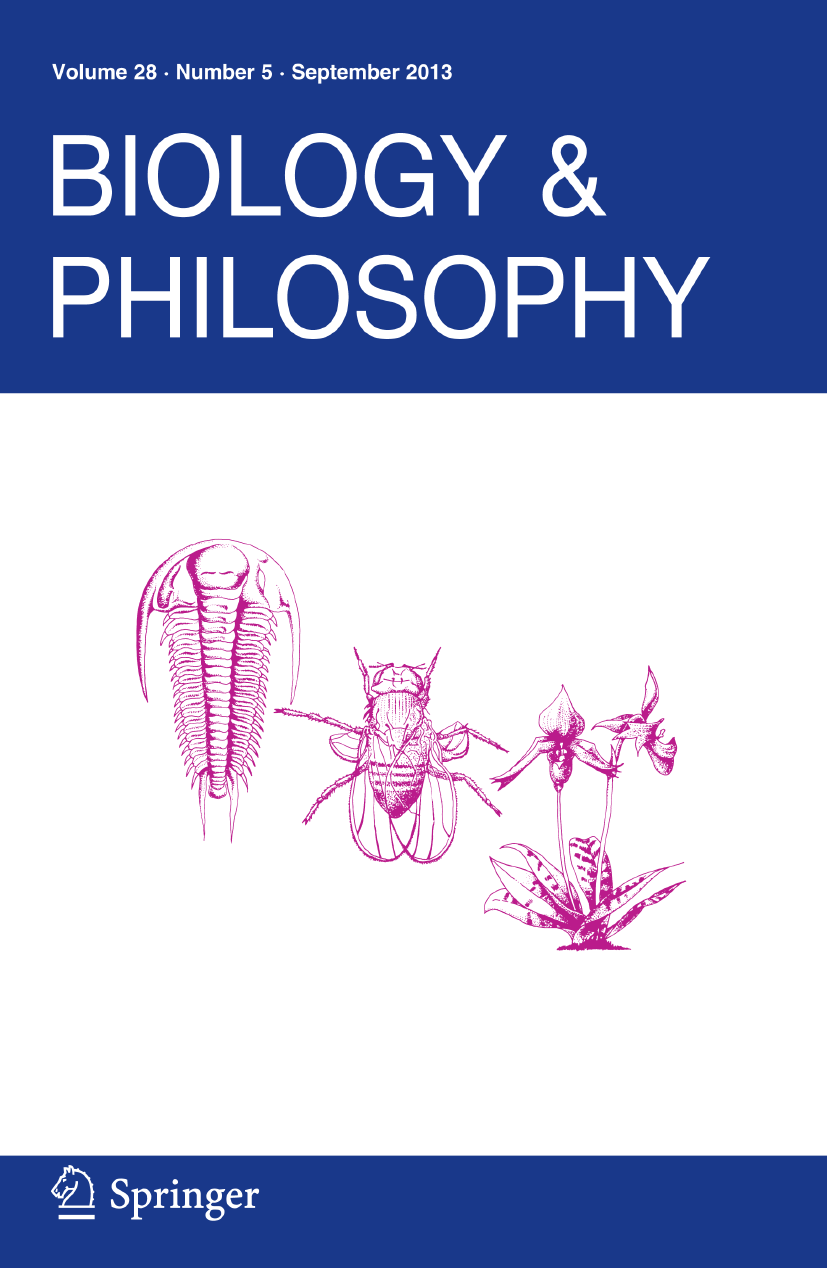
In this essay, I discuss Dennett’s From Bacteria to Bach and Back: The Evolution of Minds (hereafter From Bacteria) and Godfrey Smith’s Other Minds: The Octopus and The Evolution of Intelligent Life (hereafter Other Minds) from a methodological perspective. I show that these both instantiate what I call ‘synthetic philosophy.’ They are both Darwinian philosophers of science who draw on each other’s work (with considerable mutual admiration). In what follows I first elaborate on synthetic philosophy in light of From Bacteria and Other Minds; I also explain my reasons for introducing the term; and I close by looking at the function of Darwinism in contemporary synthetic philosophy.
The Scientist Who Scrambled Darwin’s Tree of Life (Published 2018)
How the microbiologist Carl Woese fundamentally changed the way we think about evolution and the origins of life.

Cellosophical Explorations #2 - Cellosophy
Bacterial Chemotaxis as a model system
First new antibiotic in 30 years discovered in major breakthrough
The first new antibiotic to be discovered in nearly 30 years has been hailed as a ‘paradigm shift’ in the fight against the growing resistance to drugs.

The cell membrane as the ‘missing link’ for the evolution of consciousness
While Prof. Torday agrees with Federico Faggin that quantum mechanics is salient to consciousness, he maintains that the role of the cell membrane—which separates an organism from its environment—is key to the selective assimilation or mirroring of the quantum properties of the cosmos into the differentiated consciousness of the organism. This essay is short, dense, and may be difficult to unpack. But it handsomely rewards the effort of the patient and determined reader. The many literature citations in the essay also provide rich ground for further exploration.

Even a Single Bacterial Cell Can Sense the Seasons Changing | Quanta Magazine
Though they live only a few hours before dividing, bacteria can anticipate the approach of cold weather and prepare for it. The discovery suggests that seasonal tracking is fundamental to life.
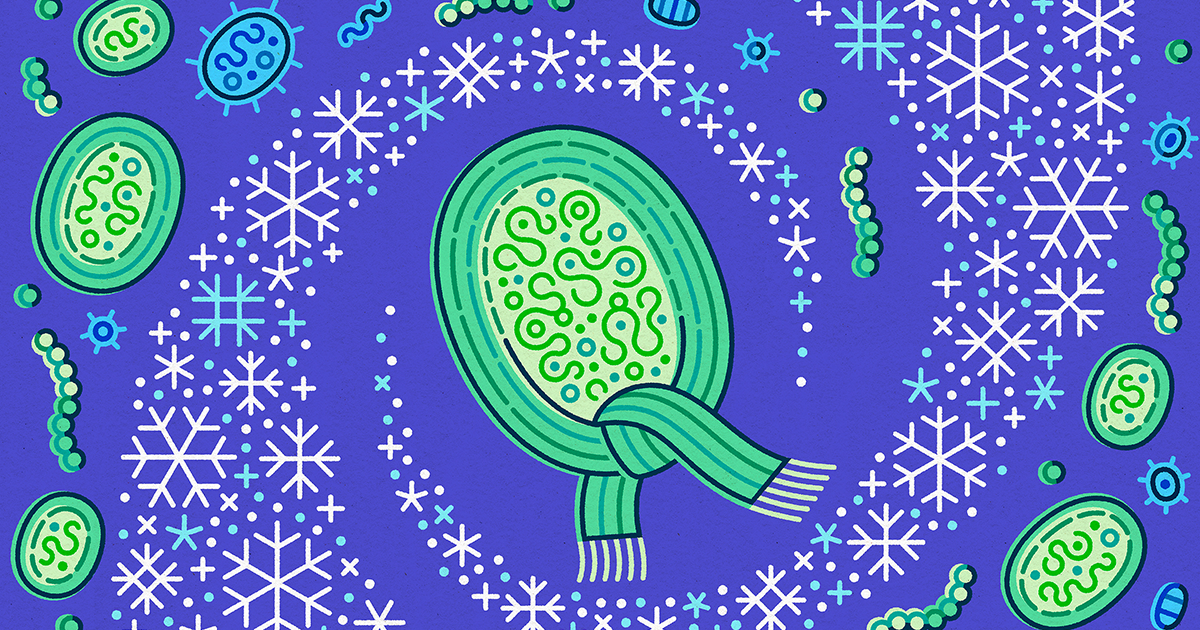
Even a Single Bacterial Cell Can Sense the Seasons Changing | Quanta Magazine
Though they live only a few hours before dividing, bacteria can anticipate the approach of cold weather and prepare for it. The discovery suggests that seasonal tracking is fundamental to life.
For the First Time, a Cell Built From Scratch Grows and Divides | Quanta Magazine
Scientists built a synthetic cell that combines more lifelike properties than ever before — proof of concept that it’s possible to bring nonliving materials to life, or something close to it, in the lab.
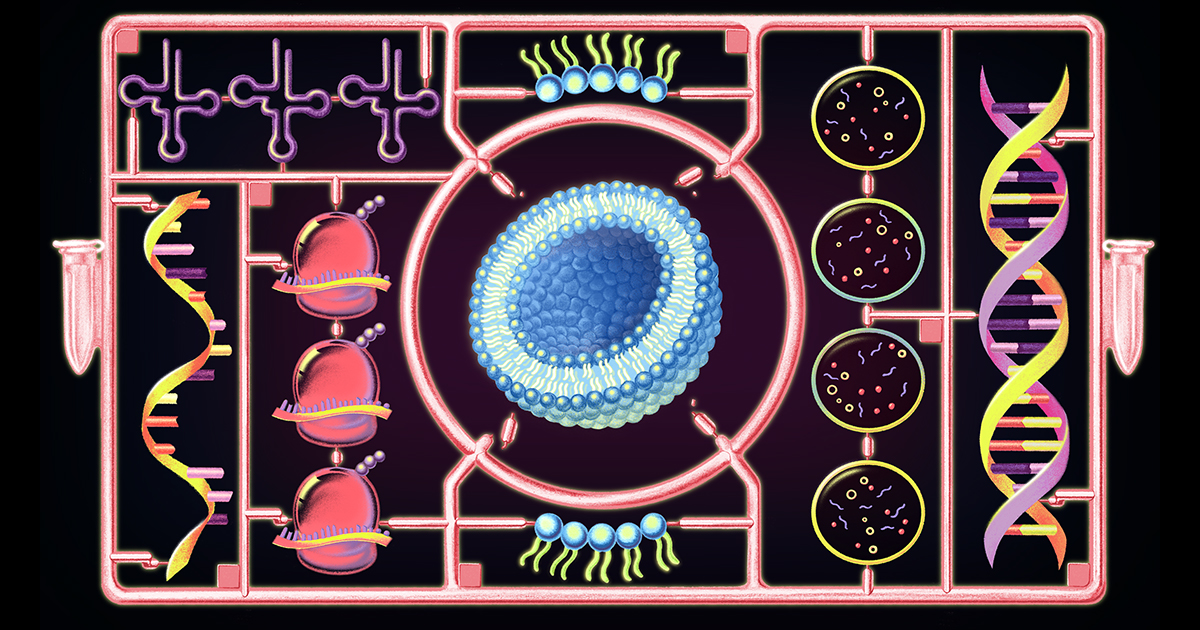
For the First Time, a Cell Built From Scratch Grows and Divides | Quanta Magazine
Scientists built a synthetic cell that combines more lifelike properties than ever before — proof of concept that it’s possible to bring nonliving materials to life, or something close to it, in the lab.