

hi, i'm jenn schiffer and this is my lifestyle blog
The Omg Lol Times · We have to talk about AI “art”
Note: In this post I’m going to use the term “AI” as a lazy shorthand for “generative content creation via large-scale pre-trained models” because time is tight and I’ve got arthritis. I know it’s not really “AI”, but please, let me give my typing fingers a break here.
Find an Artist Who Doesn't Use Generative AI | Hire Human Artists
Looking for an artist for your next project? Our human artist directory is full of over 400 artists who have pledged not to use gen AI.

The Myth of the Instant Cake Mix
How to think about creative tooling in the new world of generative AI
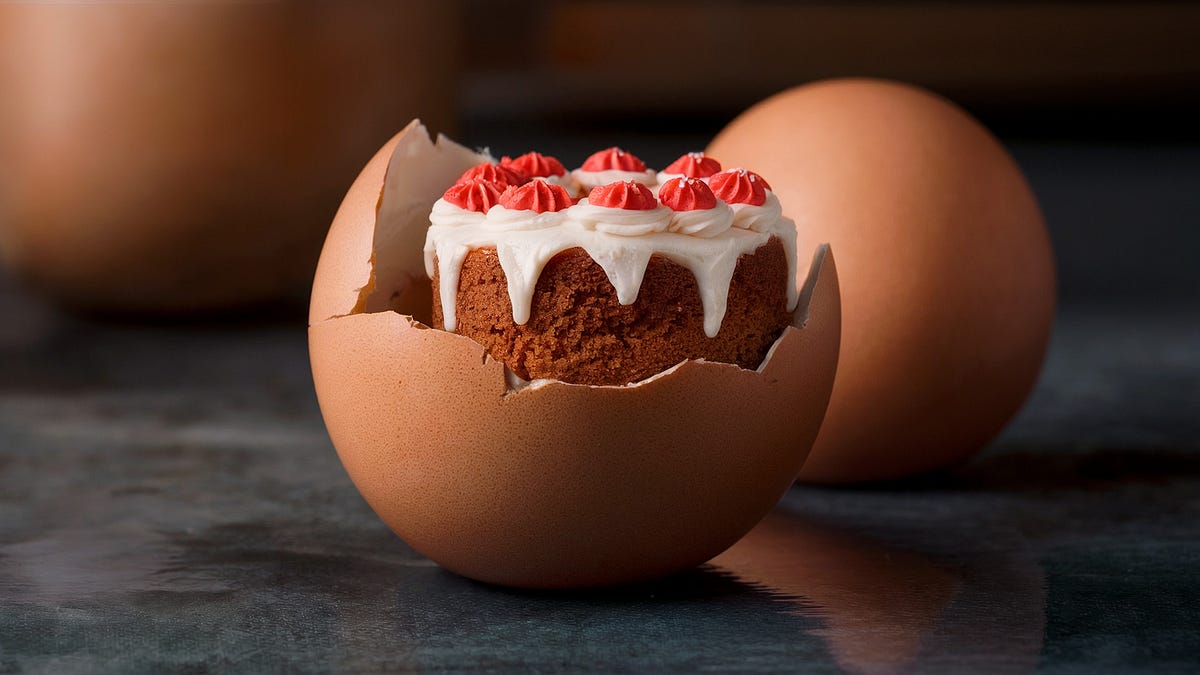
When online commenters 'detect' my art as AI
Here is a collection of screenshots (obfuscated) of dozens and dozens of online comments from many platforms (Reddit, YouTube, Instagram, Facebook) containing accusations or confusion that my artworks and comics are AI-generated. Despite creating every piece by hand, despite sharing timelapses, the comments keep coming, and they're getting stronger.
Meta’s going to put AI-generated images in your Facebook and Instagram feeds
Facebook and Instagram feeds are about to get messier.

How WIRED Will Use Generative AI Tools
Some publications are already using text and image generators. Here's how WIRED will—and won't—use the technology.
How Text-to-Image AI Works, What AI Image Generators Can Create
Overview Text prompts can be transformed into photographs, artwork, concepts, characters and creative visuals.Many modern generators progressively remove noise

Google Search's guidance about AI-generated content | Google Search Central Blog | Google for Developers
In this post, we'll share more about how AI-generated content fits into our long-standing approach to show helpful content to people on Search.

The Dark Forest and Generative AI
Proving you're a human on a web flooded with generative AI content
The AI Aesthetic
Writing about the big beautiful mess that is making things for the world wide web.
How to tell if an image is AI-generated
Scammers are using AI-generated images to make fake stories more convincing. Here's how to separate real from fake.
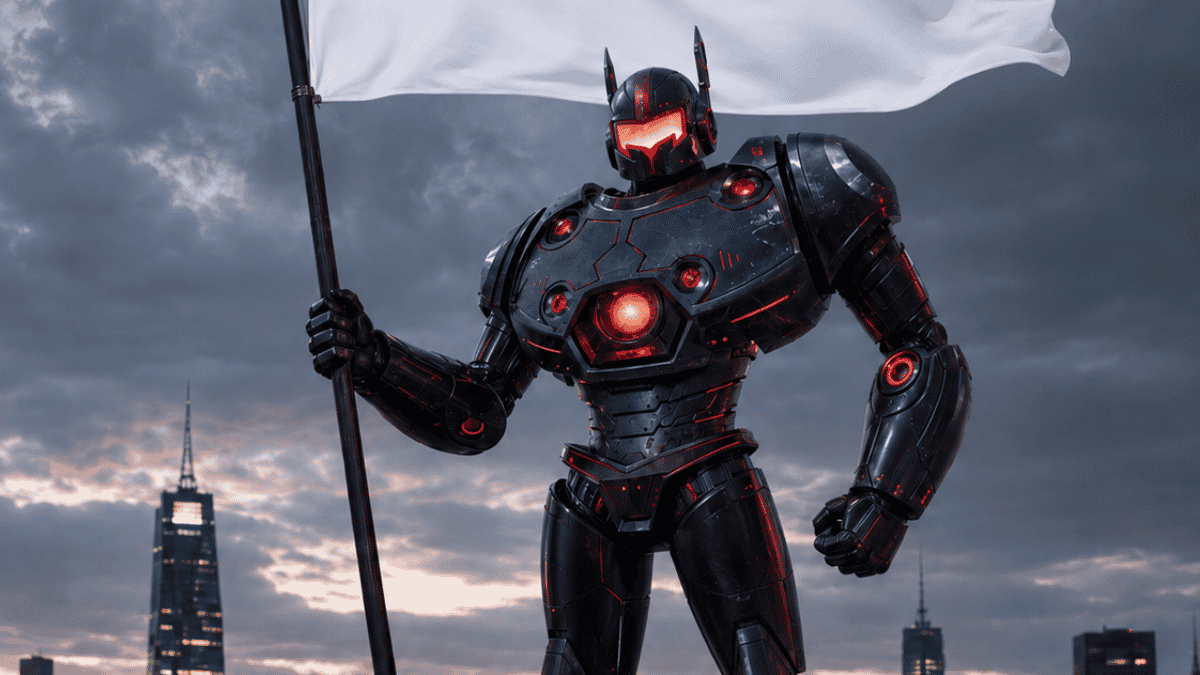
Newsweek is making generative AI a fixture in its newsroom
The legacy publication is leaning on AI for video production, a new breaking news team, and first drafts of some stories.

Why are we even doing all this?
[This is a guest post by Rikab Gambhir. This blog post was initially written in a different file format and converted using AI. — T.] First, they came for the artists, and I did not speak out…

Guest Post - The Perils of Using Generative AI to Perform Research Tasks: Editors’ and Publishers’ Viewpoints - The Scholarly Kitchen
Today's guest post offers a review of a panel of publishers and editors discussing the pros and cons of using Generative AI, along with ethical and policy implications.

AImages
The HackerNoon AI Image Gallery is powered by human prompts entered into the most cutting edge AI image generation models, like Stable Diffusion, Midjourney, Dall-e, and more
