


Or why sometimes trolling your audience has a benefit.
Pluralistic: Load-bearing (16 Oct 2026) – Pluralistic: Daily links from Cory Doctorow
You find the weirdest stuff inside your walls. Our house was built in 1949 and we're its third owner, and I have no idea what those other people were doing, but at one point someone installed a junction box full of live, bare wires that they filled with crumpled newspaper (!); and don't get me started on the decision not to put vapor barriers in the kitchen windows (we were one good shake away from the entire front of the house falling down when we discovered that one, and while it cost us an extra $19,000 to fix, that was still cheaper than rebuilding the whole front of the house).
Trolling democracy: anonymity doesn’t cause conflicts, bad site design does
‘Don’t feed the trolls’, people on social media are told. By forcing people to use their real names online, the managers of online forums hope to shame trolls into silence. But, J…

Hedgie on Twitter / X
🦔 A group of Princeton researchers is calling Big Tech's extraction of human attention "human fracking." The analogy: just as oil companies pump high-pressure chemicals into the ground to force out petroleum, tech companies pump endless streams of addictive content into our… pic.twitter.com/UKzjH7E2iX— Hedgie (@HedgieMarkets) January 19, 2026

Bias, Skew, and Search Engines Are Sufficient to Explain Online Toxicity
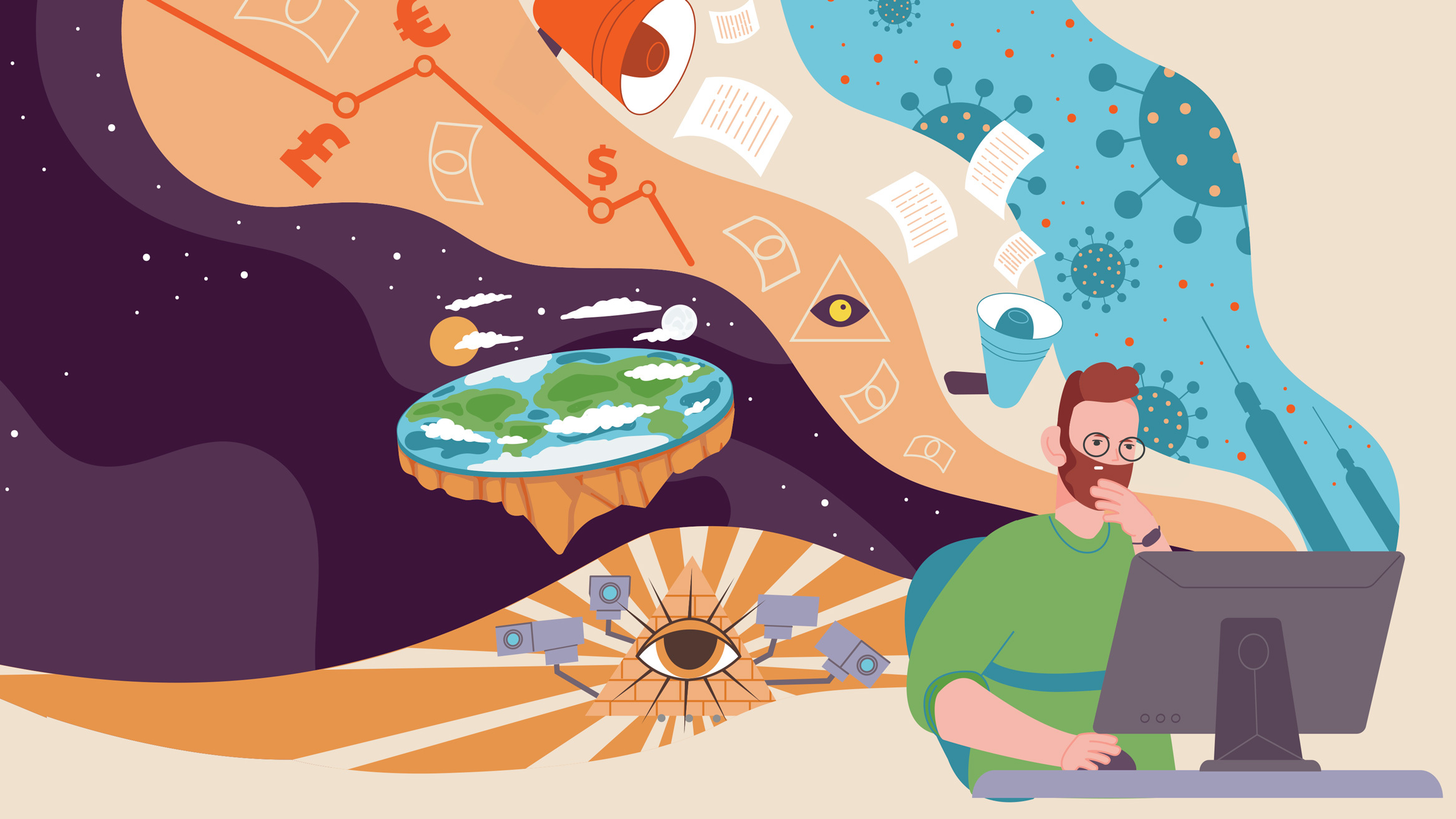
U.S. political discourse seems to have fissioned into discrete bubbles, each reflecting its own distorted image of the world. Many blame machine-learning algorithms that purportedly maximize “engagement”—serving up content that keeps YouTube or Facebook users watching videos or scrolling through their feeds—for radicalizing users or strengthening their partisanship. Sociologist Shoshana Zuboff15 even argues that “surveillance capitalism” uses optimized algorithmic feedback for “automated behavioral modification” at scale, writing the “music” that users then “dance” to.
Bias, Skew, and Search Engines Are Sufficient to Explain Online Toxicity
U.S. political discourse seems to have fissioned into discrete bubbles, each reflecting its own distorted image of the world. Many blame machine-learning algorithms that purportedly maximize “engagement”—serving up content that keeps YouTube or Facebook users watching videos or scrolling through their feeds—for radicalizing users or strengthening their partisanship. Sociologist Shoshana Zuboff15 even argues that “surveillance capitalism” uses optimized algorithmic feedback for “automated behavioral modification” at scale, writing the “music” that users then “dance” to.
Wikipedia:Long-term abuse
This page summarises a limited number of long term abusers, to assist members of the community who believe they may have cause to report another incident. Note that this page is not a noticeboard. Names should only be added for the most egregious and well-attested cases. Most users here will have been banned, some on multiple occasions.
Cognitive Load Theory and its Applications for Learning - Scott H Young
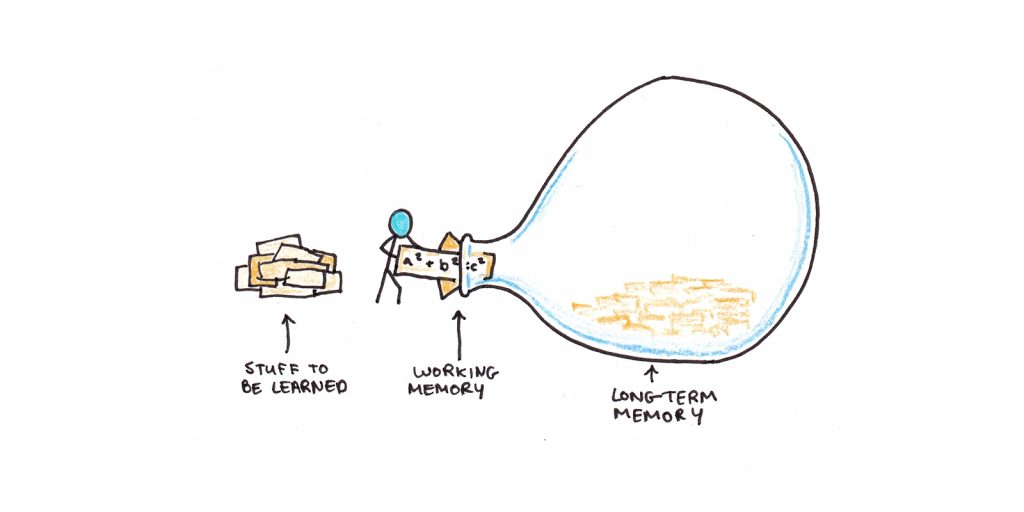
What makes learning hard? How can we make it easier? Cognitive load theory explains how we learn and how to do it better.
Beacon Press: What We Don't Talk About When We Talk About Fat
From the creator of Your Fat Friend and co-host of the Maintenance Phase podcast, an explosive indictment of the systemic and cultural bias facing plus-size people.
Moats & Drawbridges - augment
In a world obsessed with moats, the open social web drops drawbridges
Cognitive Load | Laws of UX
The amount of mental resources needed to understand and interact with an interface.

The Feed is the Product: Why We Stay in Walled Gardens, and Why We Might Finally Leave for the Open Social Web - Zsolt's pckt blog
We have known this for years. We have known that the major platforms are bad for our attention, our sleep, our politics, our children, and our sense of reality....
Porter's Five Forces - The Framework Explained - Mindtools Membership
Porter's Five Forces allows you to assess the strength of your competitive position in a market and identify ways to boost your profitability. Learn how to use the framework through examples and a downloadable template.

Art or tool?
The Internet spaces I tend to inhabit have more polarisation than at many other recent times, and little explication of the worldviews that lead to different premises for discussion, that in turn...

This one starts off a little slow but makes some really good points about the pressure to not work on the “middle part” (and how “infrastructure gravity” often means people do unnecessary innovation too low in the stack).

Aleksey Skorobogaty
Excellent article on positioning domain engineering between product engineering and infrastructure engineering. I fully agree with the financial model section. However, I prefer to call it ‘platform engineering: the hard parts,’ simply because in the middle, we face more volatile semantics.
One way to mitigate these effects is to move social discourse out of the high-velocity feed entirely—to use something like @skysquare.app where you can read conversation in context without subjecting yourself to the rapid novelty, constant switching, and algorithmic mechanisms of the feeds. 👀👇🤷

Skysquare — Public conversation, anchored to the web
skysquare.app
T.W. Simpson
I have an MA in broadcasting and early in my career worked in corporate filmmaking. One through-line from my studies through the industrial practice of audiovisual communications was that the shorter the asl, the easier it was to capture the viewer's attention. This effect is what is "addicting"...
