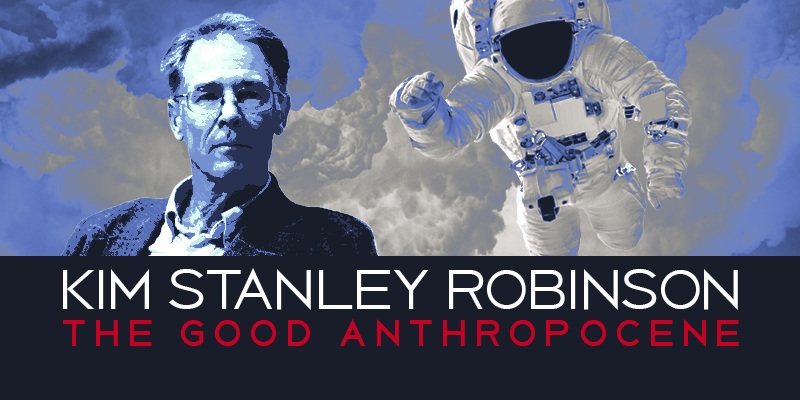
KIM STANLEY ROBINSON was born March 23, 1952 in Waukegan IL, and grew up in Orange County CA. He earned a BA in literature from UC San Diego in 1974, a master’s in English from Boston Univers…

Through the cracks of history
IN 2021 it is high time we spoke about Alan Winnington. People in South Korea certainly have been already. His reports during the Korean war are currently being studied by activists and archaeologists alike, in order to find out exactly what happened at a place he visited just over 70 years ago. I will write more about this shortly. But first I want to quickly introduce the man himself.Born in 1910, Winnington was a man of his time — a Stalinist of the old school, working class, but with a scholarship to the prestigious Chigwell School in Essex.

Danielle Robinson, PhD
Advancing the power of data to improve the social and economic lives of all people.

A greener Marx? Kohei Saito on connecting communism with the climate crisis
Author of surprise hit Capital in the Anthropocene has developed his arguments in a new study of Karl Marx’s ecological thinking
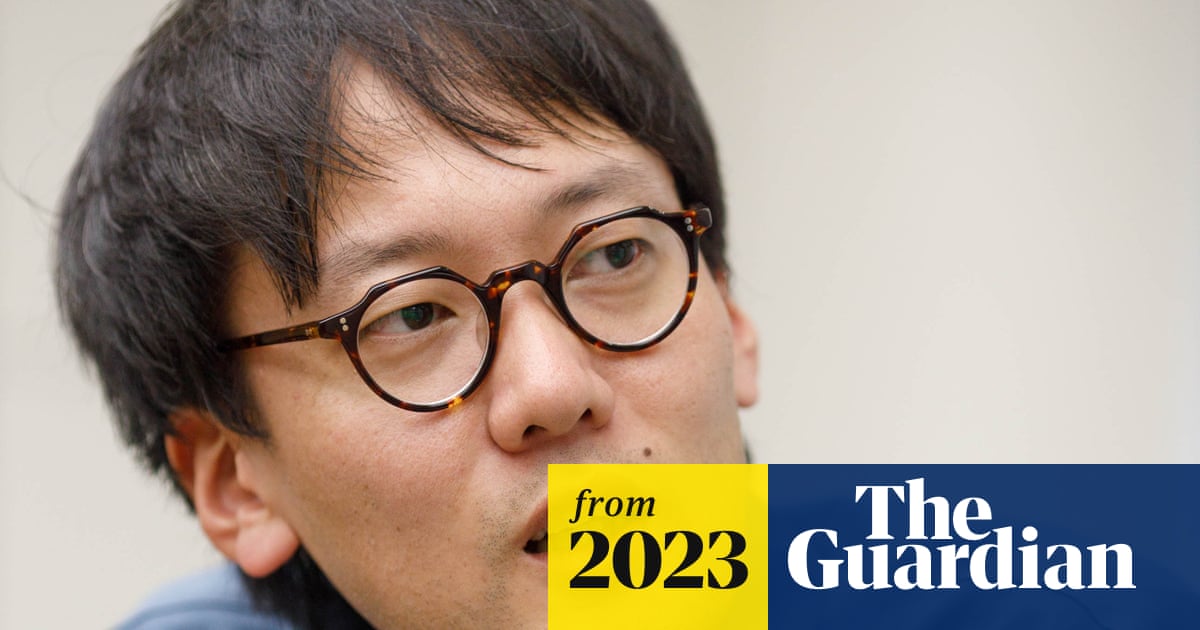
‘A new way of life’: the Marxist, post-capitalist, green manifesto captivating Japan
Kohei Saito’s book Capital in the Anthropocene has become an unlikely hit among young people and is about to be translated into English
‘We’re not doomed yet’: climate scientist Michael Mann on our last chance to save human civilisation
The renowned US scientist’s new book examines 4bn years of climate history to conclude we are in a ‘fragile moment’ but there is still time to act
A Billion Black Anthropocenes or None
Check out A Billion Black Anthropocenes or None - <p><b>Rewriting the “origin stories” of the Anthropocene</b><br /><br /> No geology is neutral, writes Kathryn Yusoff. Tracing the color line of the Anthropocene, <i>A Billion Black Anthropocenes or None</i> examines how the grammar of geology is foundational to establishing the extractive economies of subjective life and the earth under colonialism and slavery. Yusoff initiates a transdisciplinary conversation between feminist black theory, geography, and the earth sciences, addressing the politics of the Anthropocene within the context of race, materiality, deep time, and the afterlives of geology.<br /><br /> Forerunners is a thought-in-process series of breakthrough digital works. Written between fresh ideas and finished books, Forerunners draws on scholarly work initiated in notable blogs, social media, conference plenaries, journal articles, and the synergy of academic exchange. This is gray literature publishing: where intense thinking, change, and speculation take place in scholarship.</p> by Kathryn Yusoff on Bookshop.org UK!
The shock of the anthropocene: the earth, history and us
Dissecting the new theoretical buzzword of the "Anthrop…

Anthropocène? Capitalocène? Quels enjeux? - les économistes atterrés
Si l’anthropocène est aujourd’hui d’usage courant pour désigner la période présente marquée par les transformations qui affectent de plus en plus notre planète, une autre tendance se fait jour chez […]
Icarus, or, the Future of Science
'We're doomed': Mayer Hillman on the climate reality no one else will dare mention
The 86-year-old social scientist says accepting the impending end of most life on Earth might be the very thing needed to help us prolong it
William Dalrymple on Twitter / X
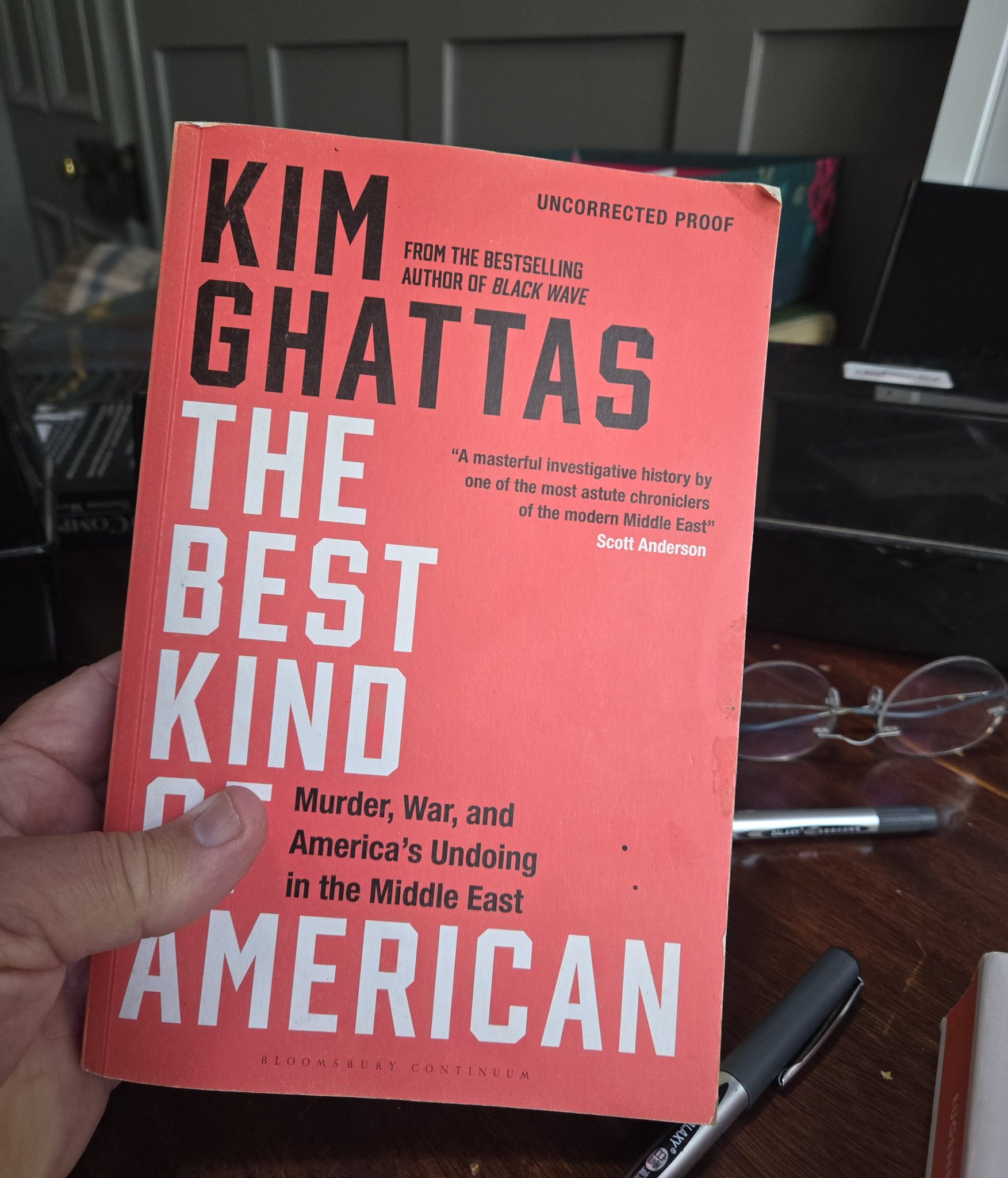
Just finished this gem by the wonderful @KimGhattas. Kim is one of best informed and most intelligent writers on West Asia, remarkable for her ability to bring clarity to the most complex scenarios. She is also a wonderful storyteller. Her new book, The Best Kind of American, is… pic.twitter.com/ZOHEulcuOe— William Dalrymple (@DalrympleWill) August 27, 2026
Diverse Locations and a Long History: Historical Context for Urban Leopards (Panthera pardus) in the Early Anthropocene From Seoul, Korea
While the urban landscapes of the early Anthropocene may appear hostile to large carnivores, humans and leopards (Panthera pardus) are known to co-inhabit major urban centres like Mumbai (India), Nairobi (Kenya) and Johannesburg (South Africa). We provide evidence that the presence of leopards in urban landscapes is not, however, a new phenomenon and has occurred repeatedly over the early history of the Anthropocene. Using records of Amur leopards (P. p. orientalis) in Seoul, Korea, at the end of the 19th century, a capital city and major urban centre with a high human population density, we explore socio-cultural, political and ecological factors that may have facilitated human-leopard co-occurrence in an urban landscape and the factors that eventually led to the leopards' extirpation. We suggest that, in the absence of unsustainable levels of persecution by humans, leopards are able to persist in urban landscapes which contain small patches of dense vegetation and have sufficient alternative food supplies. In light of the continued expansion of urban landscapes in the 21st century and increasing conservation focus on the presence of large carnivore populations there, this paper provides historical context to human co-existence with leopards in urban landscapes during the Anthropocene – and what we can learn from it for the future.

Memories, dreams, reflections
In the spring of 1957, when he was eighty-one years old…

'A reckoning for our species': the philosopher prophet of the Anthropocene
The long read: Timothy Morton wants humanity to give up some of its core beliefs, from the fantasy that we can control the planet to the notion that we are ‘above’ other beings. His ideas might sound weird, but they’re catching on