

You’ve probably heard of “open source software.” If you pay attention to the politics of this stuff, you might have heard of “free software” and even know a little ab…
Open Source is Not Enough
by James Halliday // The open source movement has fundamentally changed how software gets written. But in the process, corporations have been given a vast gift of free labor.
Chapter 1. Introduction
Free software — open source software[3] — has become the backbone of modern information technology. It runs on your phone, on your laptop and desktop computers, and in embedded microcontrollers for household appliances, automobiles, industrial machinery and countless other devices that we too often forget even have software. Open source is especially prevalent on the servers that provide online services on the Internet. Every time you send an email, visit a web site, or call up some information on your smartphone, a significant portion of the activity is handled by open source software.
How open-source software took over the world | TechCrunch
It was just five years ago that there was an ample dose of skepticism from investors about the viability of open source as a business model. Fast-forward to today and we’ve witnessed the growing excitement in the space.
Coraline Ada Ehmke: The Rising Ethical Storm in Open Source
In the twenty years since the term “open source” was coined by Christine Peterson, our community has grown astronomically, all the while learning from its successes and failures. A lot has changed for open source developers in the past two decades. But the political and technological landscape has also changed.
Open Source and Free Software Considered Harmful — marisa's "blog"
(It's best to read this blog post after reading Steve Klabnik's The culture war at the heart of open source and What comes after “open so...

Embrace Open Source, For the Good of Nerdmanity | Fortune
More businesses are willing to use open source software for key projects.

The Rules of Open Source No Longer Apply | Built In
When free software first gained traction, the world looked very different.

Time for Net Giants to Pay Fairly for the Open Source on Which They Depend | Linux Journal
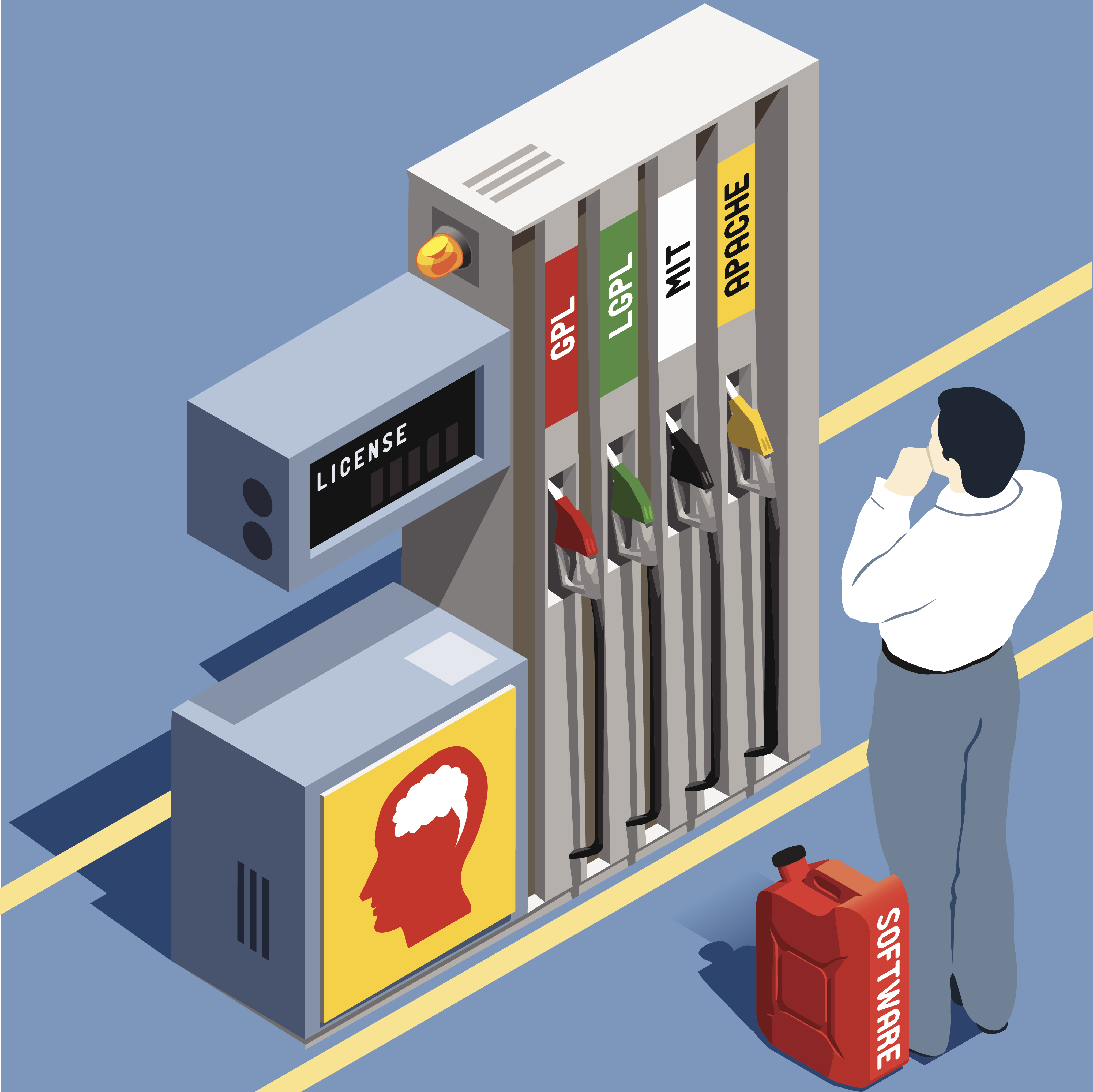
Licensing lies at the heart of open source. Arguably, free software began with the publication of the GNU GPL in 1989. And since then, open-source projects are defined as such by virtue of the licenses they adopt and whether the latter meet the Open Source Definition. The continuing importance of licensing is shown by the periodic flame wars that erupt in this area. Recently, there have been two such flarings of strong feelings, both of which raise important issues.
The Money In Open-Source Software | TechCrunch
It’s no secret that open-source technology -- once the province of radicals, hippies and granola eaters -- has gone mainstream. According to industry estimates, more than 180 young companies that give away their software raised roughly $3.2 billion in financing from 2011 to 2014. Despite the growing popularity of open-source software, though, many open-source companies are not financially healthy.

Open Source Hype Antidote
critical and alternative views on free and open source software

Open Source Explained — Open Indie
Musings on the concept of ‘open source’, in the broadest possible definition of the term. Also an invitation to become a participant in ...
When Free Software Isn't (Practically) Superior - GNU Project - Free Software Foundation
The Open Source Initiative's mission statement reads, “Open source is a development method for software that harnesses the power of distributed peer review and transparency of process. The promise of open source is better quality, higher reliability, more flexibility, lower cost, and an end to predatory vendor lock-in.”
From OSS to Open Source AI: an Exploratory Study of Collaborative...
AI development is embracing open-source paradigm, but the fundamental distinction between AI models and traditional software artifacts may lead to a divergent open-source development paradigm with...

Some startups are going ‘fair source’ to avoid the pitfalls of open source licensing | TechCrunch
New alternative category to 'closed source' could help companies monetize software in the open -- without going all-in on open source.

Producing Open Source Software
Copyright © 2005-2023 Karl Fogel, under the CreativeCommons Attribution-ShareAlike (4.0) license.