


A Tamil translation by Jayachandran Masilamani of Meredith Whittaker’s “Origin Stories: Plantations, Computers, and Industrial Control”
Origin Stories: Plantations, Computers, and Industrial Control
The proto-Taylorist methods of worker control Charles Babbage encoded into his calculating engines have origins in plantation management.

Origin Stories: Plantations, Computers, and Industrial Control
The proto-Taylorist methods of worker control Charles Babbage encoded into his calculating engines have origins in plantation management.
Colonial scars still shape Bangladesh tea workers’ struggle for rights
Bangladesh tea workers renew wage, union and land demands amid colonial-era labour legacies.

Thoughts on This ????
889 votes, 130 comments. 34K subscribers in the bengaluru_speaks community. Discuss Bangalore Nagara vaarthe, trends, city life, etc. Posts can be in…
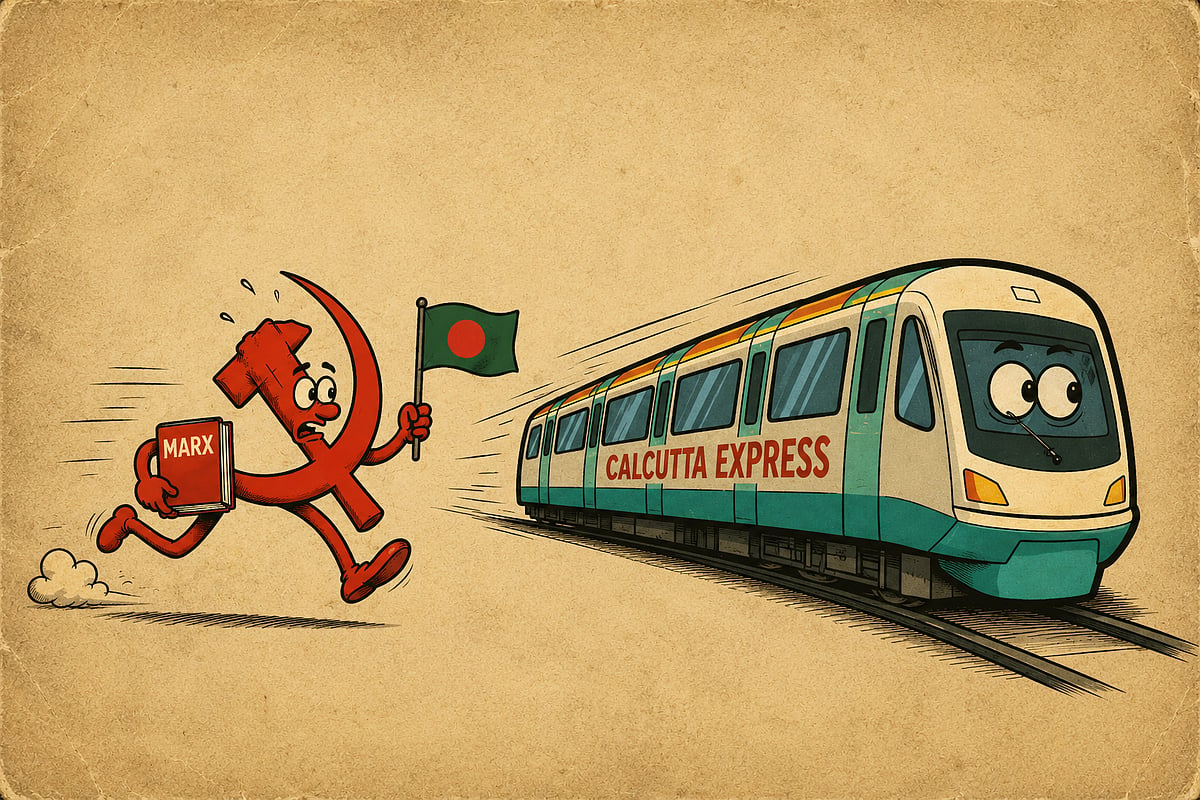
Bangladesh’s Left is still waiting for the Calcutta train
There was a time when a Bangladeshi teen could read Kalbela and emerge from his bedroom vaguely disappointed that nobody had yet invited him to overthrow the st
Bangladeshi Queer Manifesto A Manifesto On Queer Vigilantism by Sahara Chowdhury Rabil
The author analyses how queerphobia works as a mechanism of sexual exploitation.

Do not conquer what you cannot defend — LessWrong
Once upon a time there was a great king. He ruled his kingdom with wisdom and economically literate policies, and prosperity followed. Seeing this, t…

Akhilesh Thite
Akhilesh is an Indian computer scientist passionate about decentralization and peer-to-peer technology.


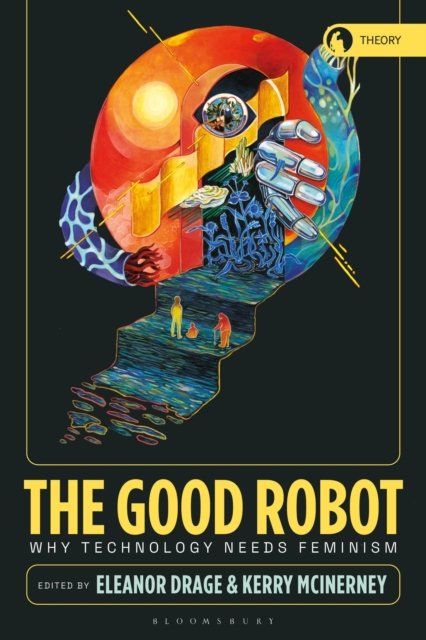
Good Robot
What is good technology? Is ‘good’ technology even possible? And how can feminism help us work towards it? The Good Robot addresses these crucial questions through the voices of leading feminist thinkers, activists and technologists. Each thinker provides a snapshot of key challenges, questions and provocations in the field of feminism and technology. While the question of whether various AI and technological advances can be ethical is not new, the embedded nature of feminist perspectives pulls out whether this perceived ‘goodness’ or ‘wrongness’ might actually impact our lives in the 21st century. This book explores both the radical possibilities of technology to disrupt practices of patriarchy, colonialism, racism and beyond but also provides a significant critique of how we can contain the ethical possibilities of entities we cannot predict. In exploring unjust technological practices and engaging critical voices in the tech industry, the existing moral issues are brought to light as well as the possible ethical quagmires. This book opens a new space of discussion on digital technologies – one that insists that the future of AI is an urgent feminist issue.
🔎 chennai auroville bus - Google Search

The Social Meaning of the Personal Computer: Or, Why the Personal Computer Revolution Was No Revolution
This essay presents a processual model of the personal computing movement that depicts the PC's birth within the context of complex and often contradictory social strategies, each of which used the meaning of computer technology in a distinctive way. It suggests that innovators are constrained by such processes to depict new artifacts in culturally meaningful ways, so that it is difficult for them to conceive of their technologies in radical terms. The rhetoric of "revolution" aside, innovators found it expedient to draw from the stock of meanings at hand as they created new meaning-frameworks for their artifacts. The result is that the new artifacts did not express a coherent or effective political vision and failed to have the intended social effects. This study implies that new technologies frequently reproduce existing social and meaning systems; if they do bring about social change, the changes may differ from those intended by the innovators.
The Social Meaning of the Personal Computer: Or, Why the Personal Computer Revolution Was No Revolution
This essay presents a processual model of the personal computing movement that depicts the PC's birth within the context of complex and often contradictory social strategies, each of which used the meaning of computer technology in a distinctive way. It suggests that innovators are constrained by such processes to depict new artifacts in culturally meaningful ways, so that it is difficult for them to conceive of their technologies in radical terms. The rhetoric of "revolution" aside, innovators found it expedient to draw from the stock of meanings at hand as they created new meaning-frameworks for their artifacts. The result is that the new artifacts did not express a coherent or effective political vision and failed to have the intended social effects. This study implies that new technologies frequently reproduce existing social and meaning systems; if they do bring about social change, the changes may differ from those intended by the innovators.
