


I have frequently been critical of the advice given by baby boomers to “do what you love and the money will follow”. After the hard experience of my generation and the ones following it…

If You’re Not Getting Rich in your 20s, You’re Doing it Wrong
Whenever something unusually interesting in the field of personal finance shows up in the news, Mr. Money Mustache hears about it. Our diligent network of Mustachian Volunteer Spies combs and filte…

Why ‘Follow Your Passion’ Is the World’s Worst Career Advice
The popular "follow your passion" advice has become an overused and generic phrase. Below is another method that may just do the trick in helping people's careers.

The Future of Money: How the Digital Revolution Is Tran…
A cutting-edge look at how accelerating financial chang…

Right on Time: How Cash Helps Families Move Through Life's Transitions - Economic Security Project
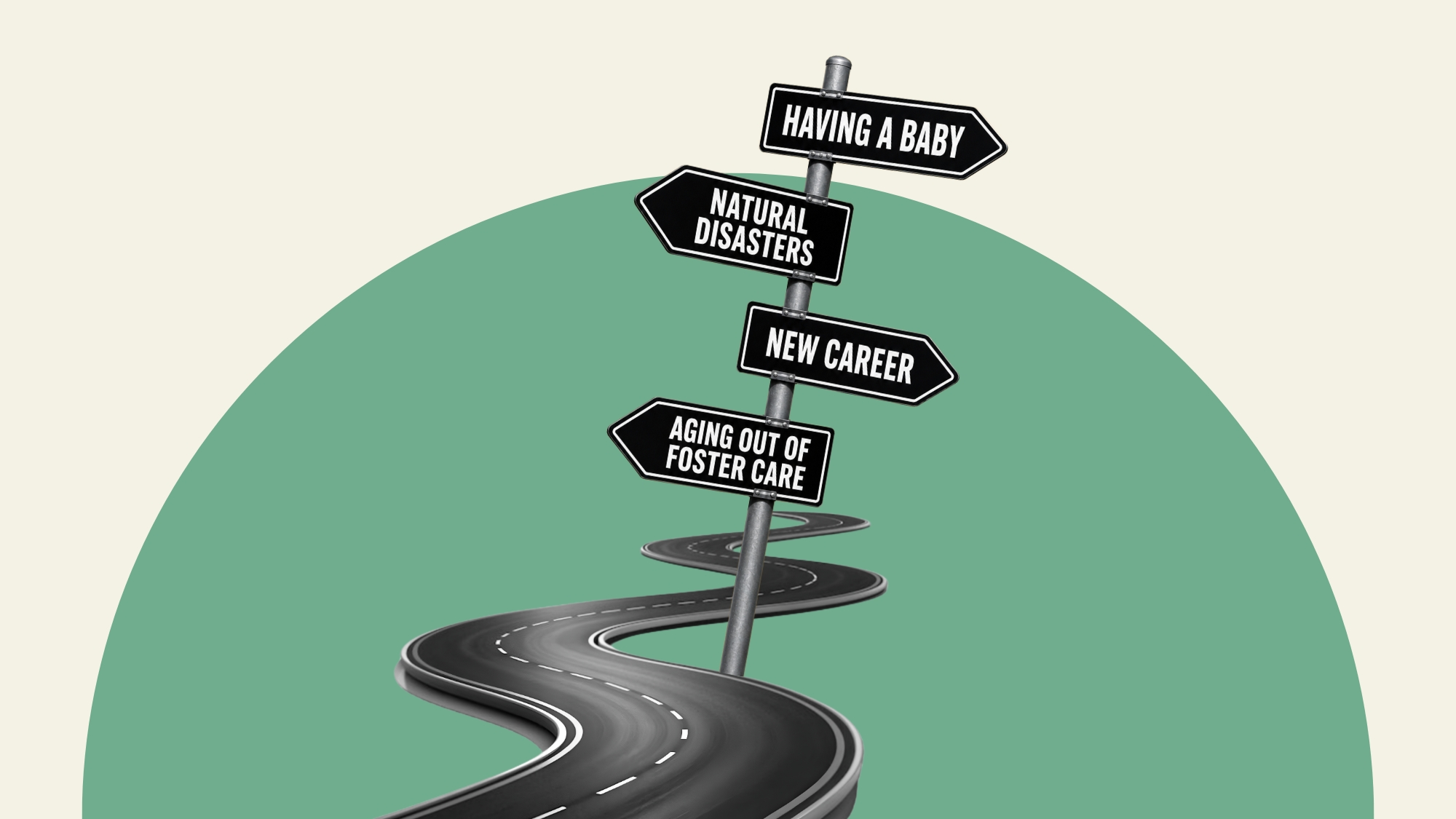
Executive Summary Over the past decade, more than 250 guaranteed income pilots, programs that provide people with regular cash with no restrictions on how they use it, have run across 40 states and the District of Columbia. That research has revealed many learnings, and this report focuses on one clear takeaway: cash has its largest…
A psychologically rich life: Beyond happiness and meaning.
How your bank balance buys happiness: The importance of “cash on hand” to life satisfaction.
A letter to my younger self: big things start small
What I wish I had known when starting my career in consumer tech a decade ago…
What is Money, Anyway?
Editor’s Note: This topic is now comprehensively covered in my book, Broken Money. Money is a surprisingly complex subject. People spend their lives seeking money, and in some ways it seems so straightforward, and yet what humanity has defined as money has changed significantly over the centuries. How could something so simple and so universal, […]

FinTech Adoption Across Generations: Financial Fitness in the Information Age
This paper analyzes how better access to financial information via new technology changes use of consumer credit and affects financial fitness. We exploit the introduction of a smartphone application for personal financial management as a source of exogenous variation. FinTech adoption reduces financial fee payments and penalties, but differs cross-sectionally in the population. After adopting the new technology, Millennials and members of Generation X incur fewer financial fees and penalties, whereas Baby Boomers do not benefit from the technological advance. Millennials and Gen Xers save fees by using their credit cards rather than overdrafts to manage short-term liabilities. Moreover, Millennials shift some of their spending to discretionary entertainment, whereas members of Generation X remain more austere. Finally, while men tend to adopt new technology and access information at a higher rate, the economic impact of access is larger for women.

Chasing life goals is a recipe for disaster – so try these tiny experiments instead
Whether its our careers, health or relationships, we often set the bar too high and end up feeling disappointed when it doesn’t work out. Try this new way of thinking … and you may just see some real results

Can Money Serve Life? How to Fund Communities Doing the Real Work with Matthew Monahan
Tightwads and spendthrifts: An interdisciplinary review
Consumers rely on a “pain of paying” to help deter their spending. While this is beneficial for some consumers, others experience levels of pain that create problems. “Tightwads” experience too much pain when considering spending and therefore spend less than they would ideally like to spend. By contrast, “spendthrifts” experience too little pain and therefore spend more than they would ideally like to spend. Neither are happy with how they handle money. In the decade since the tightwad‐spendthrift construct was introduced, much has been learned about what it is and is not (e.g., frugality, greed), what contextual factors are likely to reduce its importance, how it plays a role within romantic relationships, and when it might first emerge in childhood. This paper reviews the wide range of interdisciplinary research relevant to the tightwad‐spendthrift construct and proposes several directions for new research.

'My father had one job in his life, I've had six in mine, my kids will have six at the same time'
In the ‘gig’ or ‘sharing’ economy, technology will release you from the nine to five. But it may also bring you anxiety, insecurity and low wages

The War on Cash
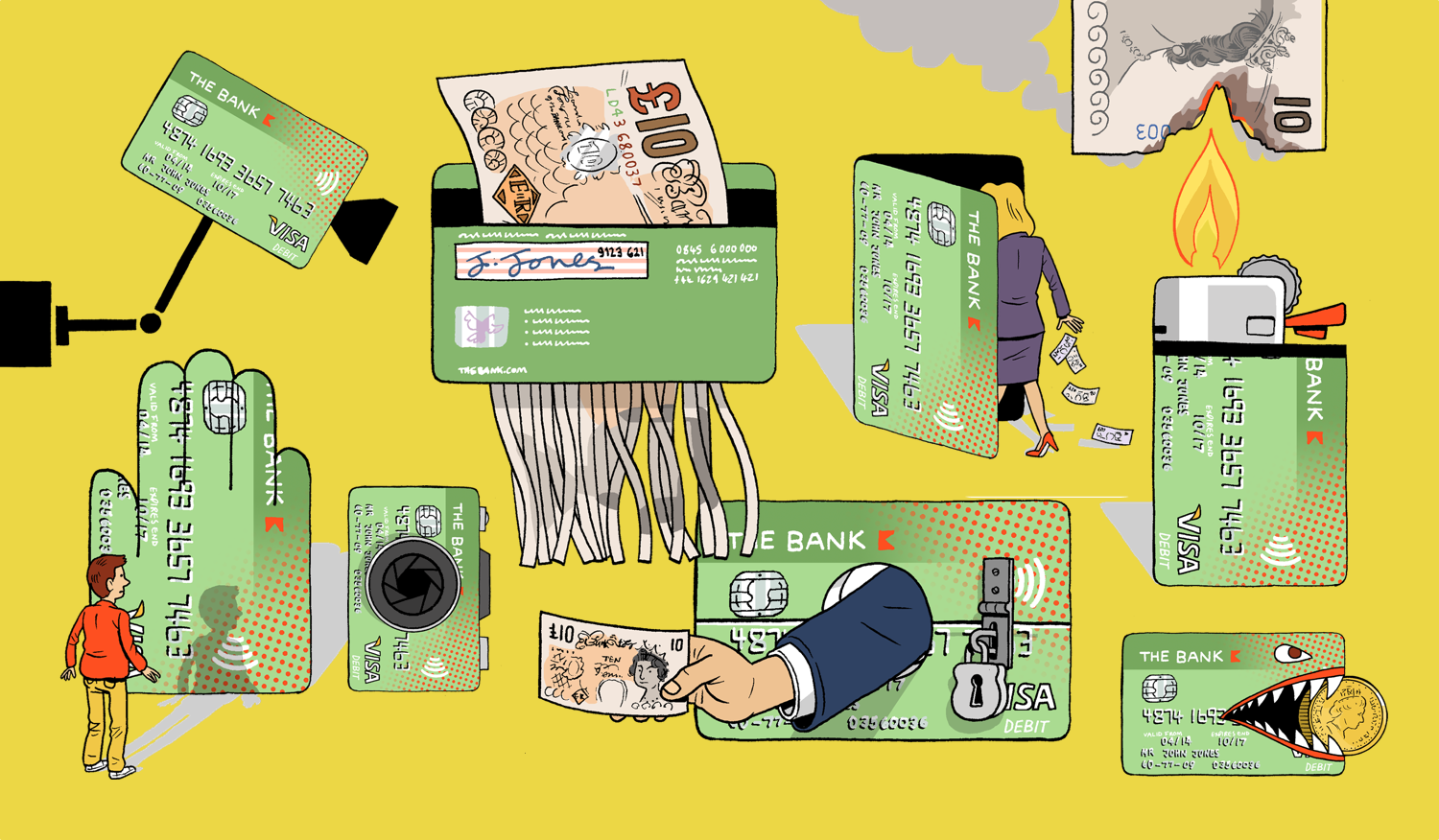
Banks, governments, credit card companies and fintech evangelists all want us to believe our cashless future is inevitable and good. But this isn't a frictionless utopia says Brett Scott, and it's time to fight back
5: Behavioural biases in personal finance
Behavioural economics merges psychology and economics to explore systematic deviations in financial decision-making from traditional economic models. This chapter examines key biases such as mental accounting, present bias, planning fallacy, and misunderstanding of risk, which influence spending, saving, investing, and insuring decisions. Demonstrating the interplay of cognitive biases and heuristics highlights why individuals make suboptimal choices despite financial literacy and resource capacity. Strategies like goal-setting, commitment devices, and education interventions are evaluated, focusing on their limitations and potential for addressing these biases. The chapter concludes by emphasising the need for systemic changes, such as policy-level interventions and financial regulation, to complement behavioural interventions and address structural barriers to better financial decisions. Future research directions are suggested, including tailoring interventions, exploring technology's role, and integrating systemic solutions to support sustainable financial well-being.