

What programming languages would agents want to program in?
agentlanguages.dev — Programming languages designed for AI agents to write
A community-edited catalogue of programming languages designed for AI agents to author code, organised around three philosophical camps: syntactic, verification, and orchestration.
AI Agents: Key Concepts and How They Overcome LLM Limitations
An AI agent is an autonomous software entity that is often used to augment a large language model. Here's what developers need to know.

On Programming with Agents
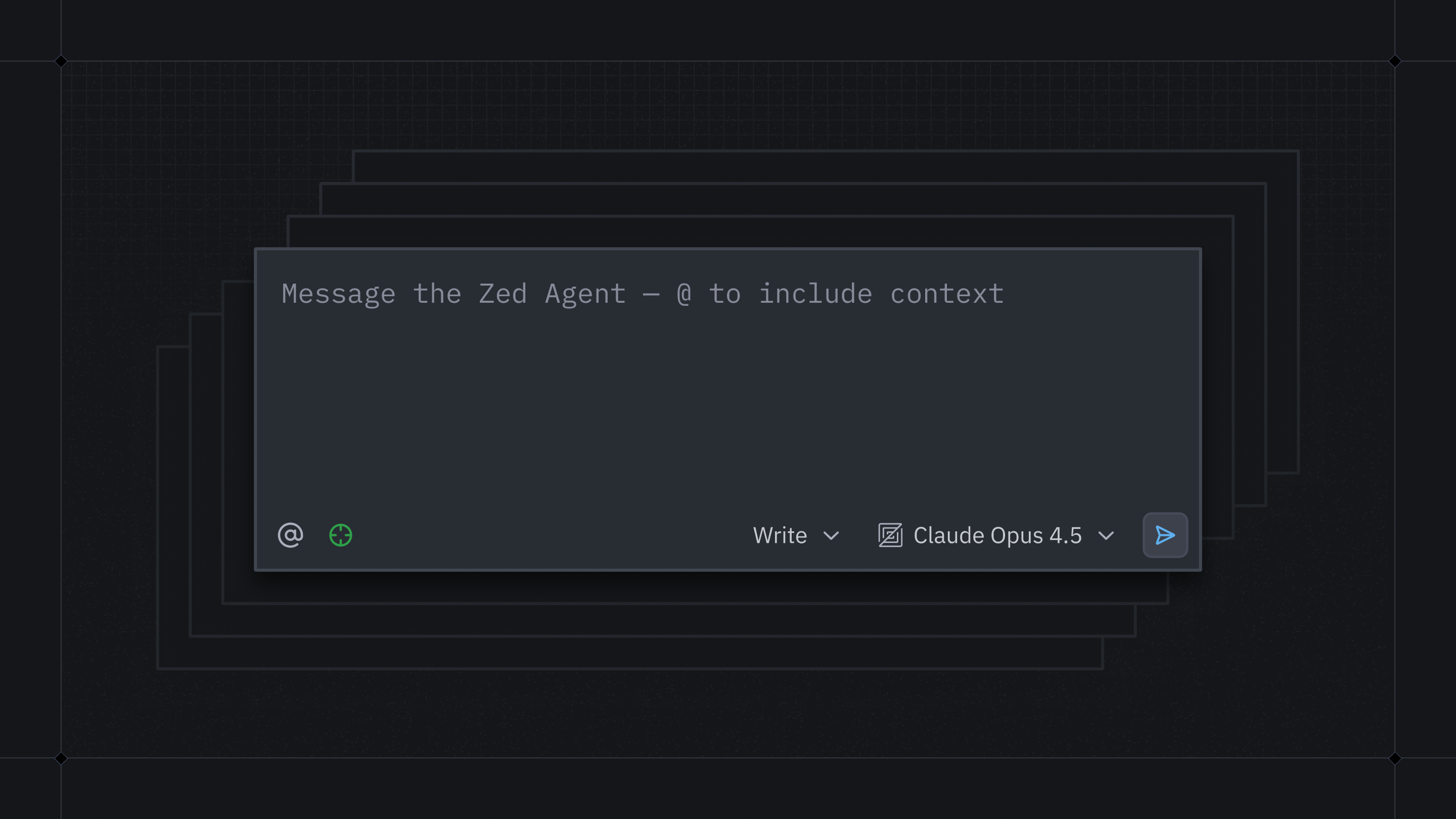
From the Zed Blog: Agents handle typing so we can focus on thinking.
Agentic Engineering Management
To what extent AI is OK to use in software development might be debated, but in general, the idea is not a controversial one anymore. The debate rather moved on from code completion and simple PR summarizations to Agentic Engineering, where an execution loop allows an AI Agent to function

AGENTS.md
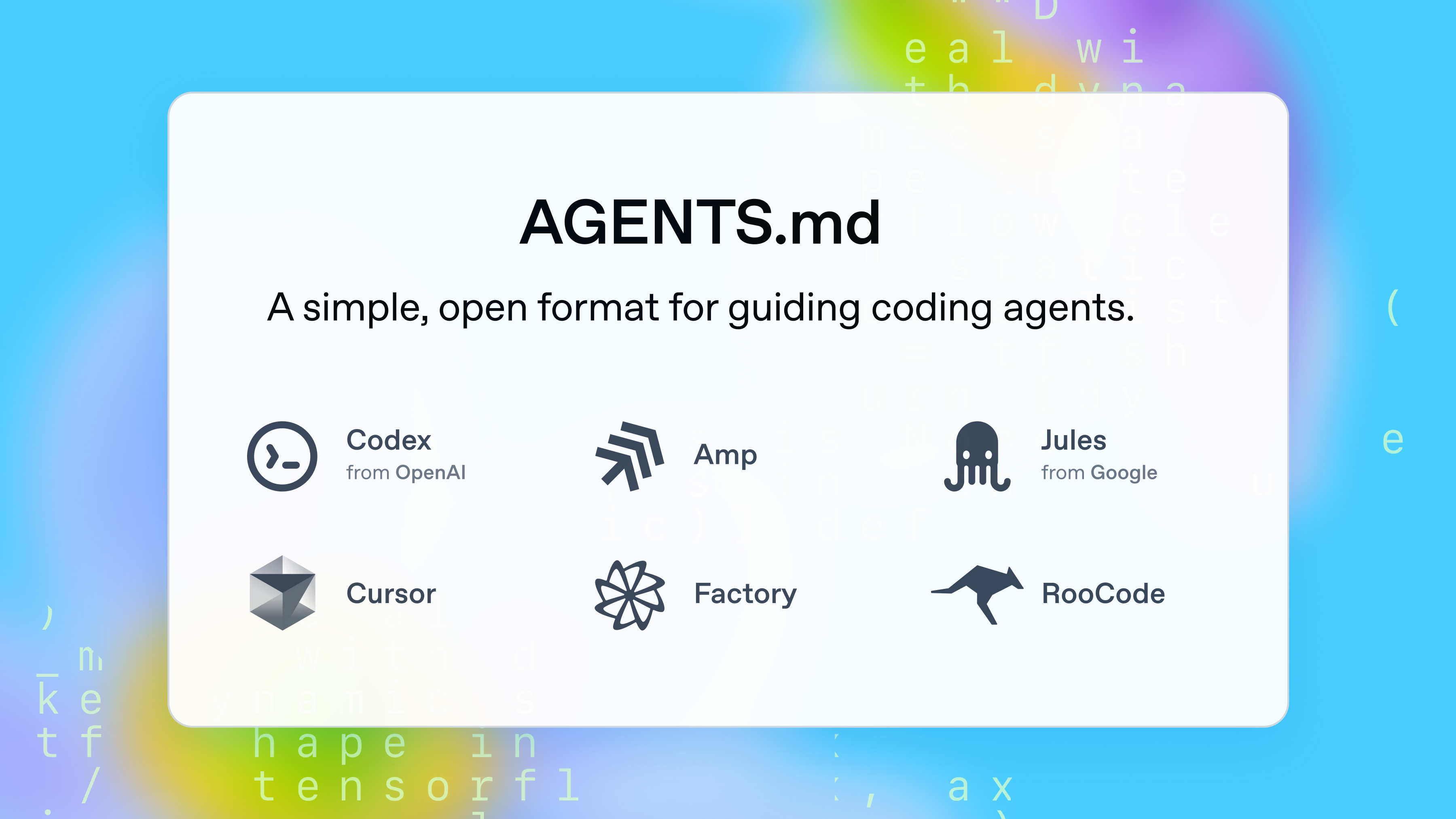
AGENTS.md is a simple, open format for guiding coding agents. Think of it as a README for agents.
How coding agents work - Agentic Engineering Patterns
How coding agents work - Agentic Engineering Patterns
Build Agent Advocates, Not Platform Agents
Language model agents are poised to mediate how people navigate and act online. If the companies that already dominate internet search, communication, and commerce -- or the firms trying to unseat...

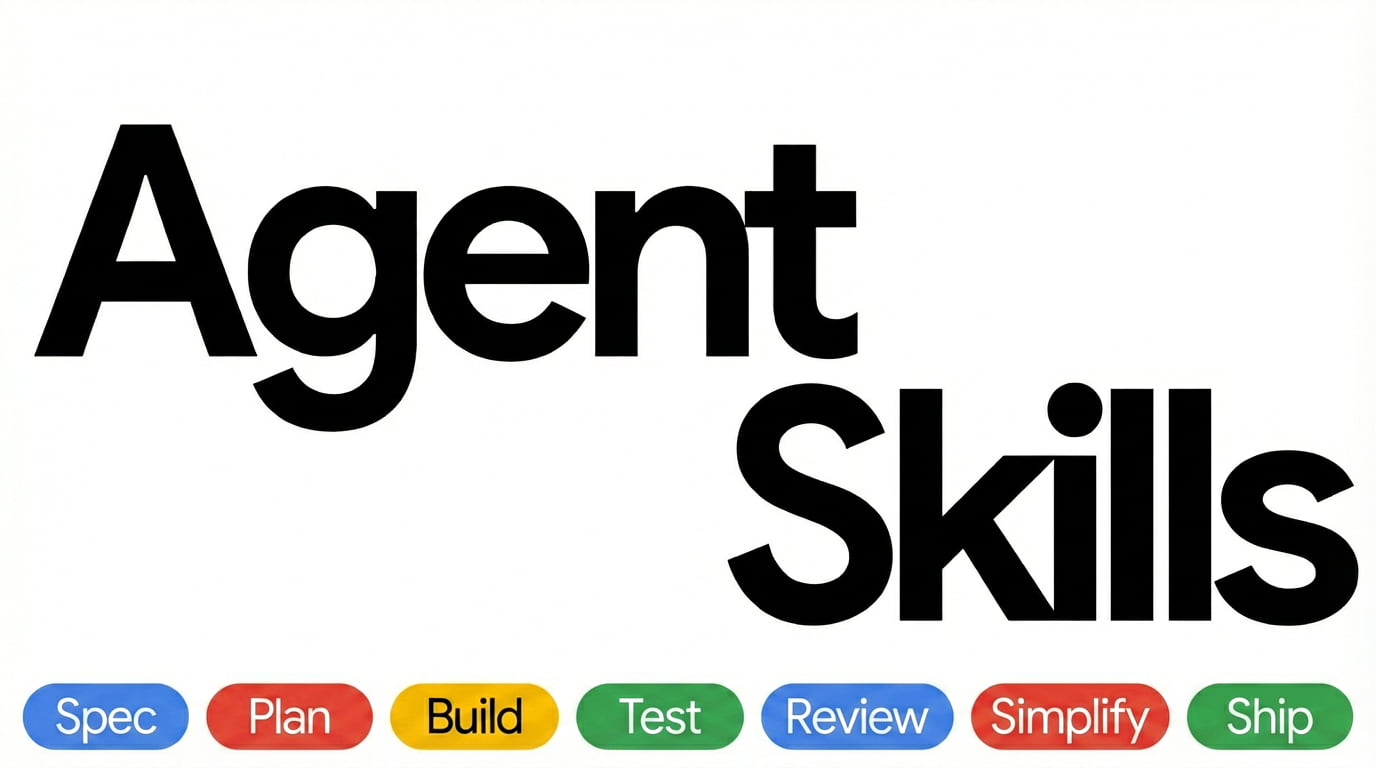
Agent Skills
AI coding agents take the shortest path to done, which usually means skipping the specs, tests, and reviews that make software reliable at scale. Agent Skill...
Three camps alike in dignity
🪧 A full catalogue of the field can now be found at agentlanguages.dev. In the last six months, programming languages designed for models rather than humans have started to appear. Work on most began entirely independently, initiated by people who had never heard of each other, but all roughly during the same window of time. […]

Supporting Our AI Overlords: Redesigning Data Systems to be Agent-First
Large Language Model (LLM) agents, acting on their users' behalf to manipulate and analyze data, are likely to become the dominant workload for data systems in the future. When working with data,...
Small Language Models are the Future of Agentic AI
Large language models (LLMs) are often praised for exhibiting near-human performance on a wide range of tasks and valued for their ability to hold a general conversation. The rise of agentic AI systems is, however, ushering in a mass of applications in which language models perform a small number of specialized tasks repetitively and with little variation. Here we lay out the position that small language models (SLMs) are sufficiently powerful, inherently more suitable, and necessarily more economical for many invocations in agentic systems, and are therefore the future of agentic AI. Our argumentation is grounded in the current level of capabilities exhibited by SLMs, the common architectures of agentic systems, and the economy of LM deployment. We further argue that in situations where general-purpose conversational abilities are essential, heterogeneous agentic systems (i.e., agents invoking multiple different models) are the natural choice. We discuss the potential barriers for the adoption of SLMs in agentic systems and outline a general LLM-to-SLM agent conversion algorithm. Our position, formulated as a value statement, highlights the significance of the operational and economic impact even a partial shift from LLMs to SLMs is to have on the AI agent industry. We aim to stimulate the discussion on the effective use of AI resources and hope to advance the efforts to lower the costs of AI of the present day. Calling for both contributions to and critique of our position, we commit to publishing all such correspondence at https://research.nvidia.com/labs/lpr/slm-agents.
pguso/ai-agents-from-scratch
Demystify AI agents by building them yourself. Local LLMs, no black boxes, real understanding of function calling, memory, and ReAct patterns.
The Agentic Systems Series - The Agentic Systems Series
Welcome to the complete guide for building AI coding assistants that actually work in production. This comprehensive three-book series takes you from fundamental concepts to implementing enterprise-ready collaborative systems.
Coding Agents Are Easy, Actually - Kara's Nonsense
Software engineering is here to stay
Agentic Engineering Patterns - Simon Willison's Weblog
Patterns for getting the best results out of coding agents like Claude Code and OpenAI Codex. See my introduction for more on this project.