Who is the AI villain we should be angry at?


Why I'm (sort of) not worried about AI | Jack Conte
As a creator, and as a leader of a tech company, I have a deep sense of conflict about AI. I feel outrage, but I also feel something else. O
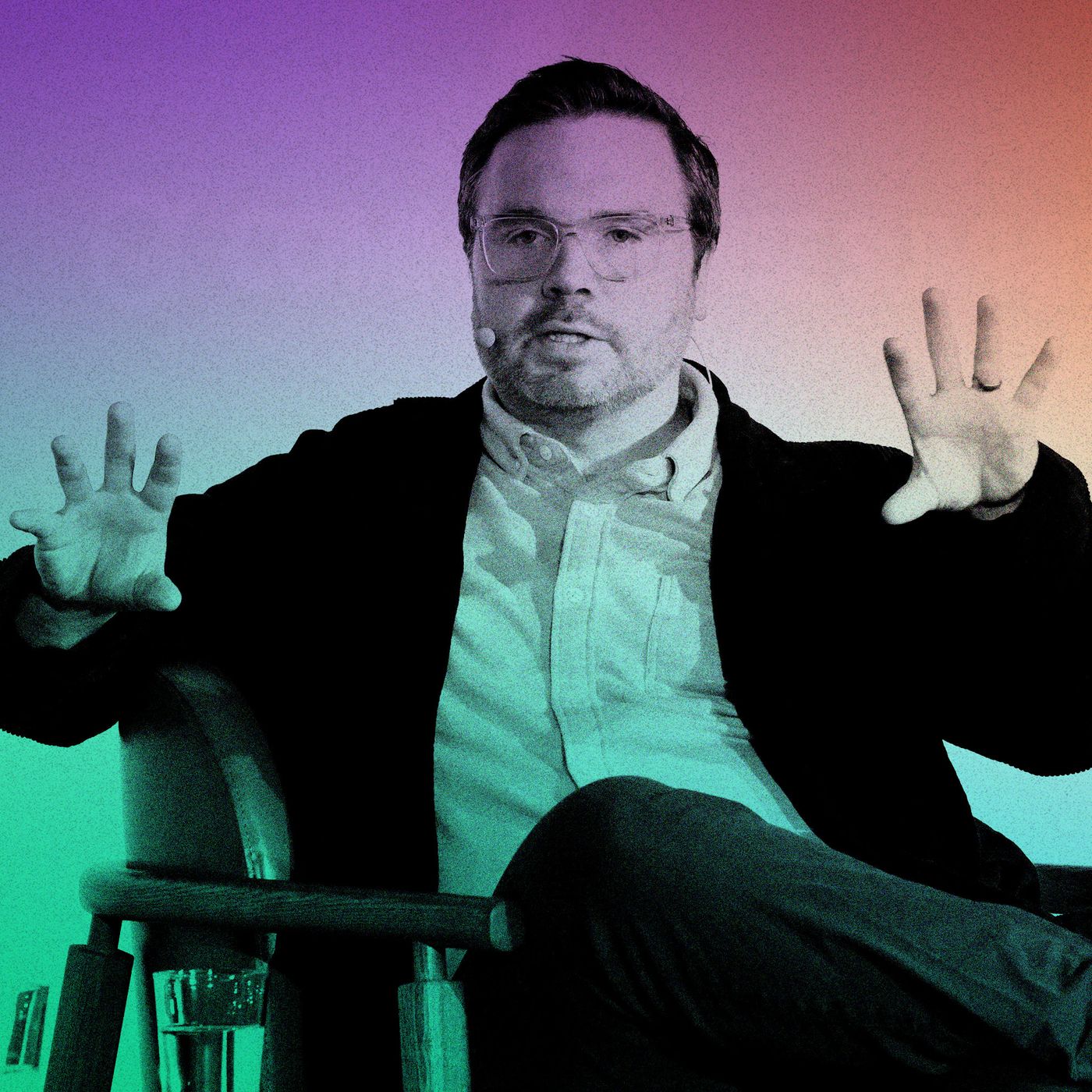
‘I Don’t Think We’re All F***ed Anymore’
Kevin Roose’s new book explores the terrifying implications of AI, but he’s feeling a bit more sanguine these days.
When AIs act emotional
Karpathy says developers have 'AI Psychosis.' Everyone else is next.
Anthropic’s Mythos, Gen Z’s backlash, and Meta’s token binge all point to the same shift: developers are feeling AI first, but not for long.

For years, they warned AI could kill all humans. Now people are listening.
A doomsaying community once on the periphery of the tech industry has gained influence, as AI “agents” perform amazing and alarming feats.

Misleading Metaphors, Real Risks
What To Fear from AI Agents and How to Reclaim Our Human Agency
Grace (@gracekind.net)
For my part, seeing AI catch up to my abilities in several domains has been painful. I feel a sense of loss. And I’m in a position where I have (a tiny bit of) leverage and control over the process. I can only imagine how painful it would be if I felt like it were completely out of my hands

AI Rage Is Inextricably Fused With Justified Loathing Of The Extraction Class. 'Deal With It'
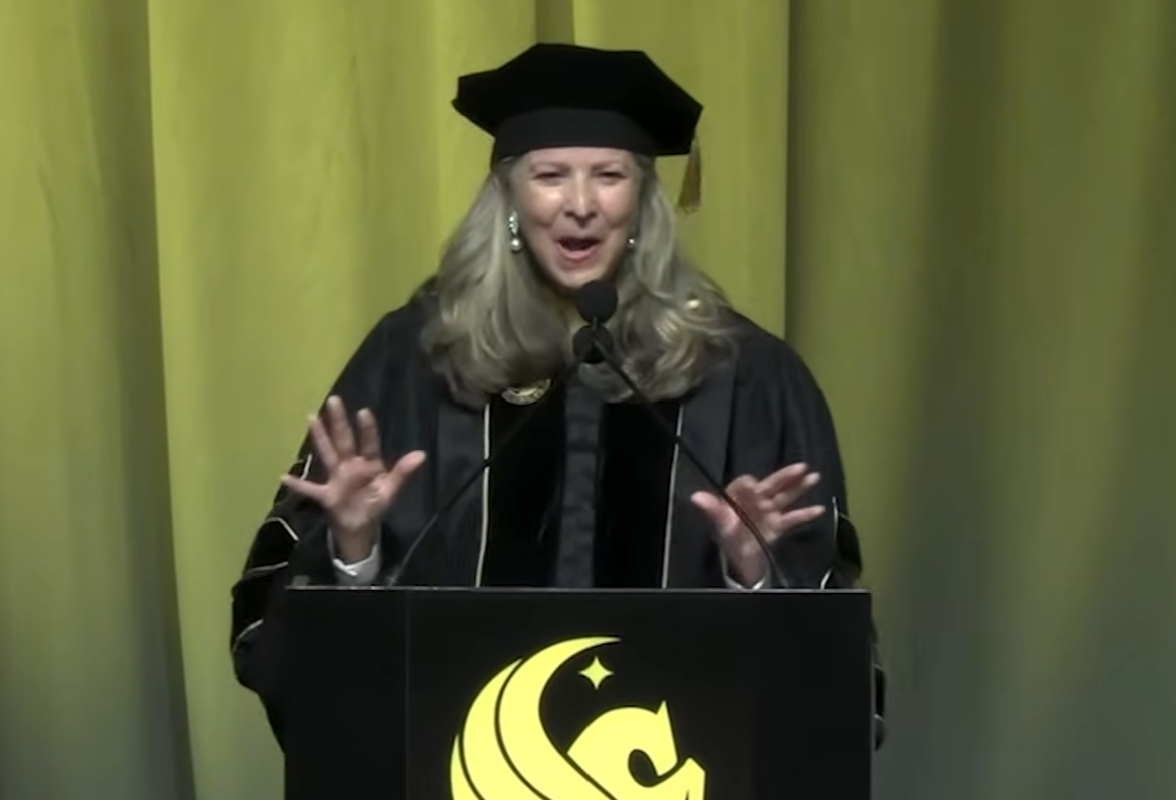
Commencement AI booing reflects growing class revolt now tightly tethered to AI -- whether the technology's biggest proponents like it or not.
AI, Ethics, and Society — Home
AI FOR EPISTEMICS & COORDINATION
Civilization and technology have radically improved the human condition. Nonetheless, the world sometimes goes in directions which essentially nobody would prefer — e.g., nuclear arms races, unexpected financial crashes, predatory marketing, or ubiquitous political misinformation.
How Shifting Responsibility for AI Harms Undermines Democratic Accountability | TechPolicy.Press
The moralization of individual AI use deflects responsibility away from powerful actors like corporations and governments, Suvradip Maitra and others write.
Alex Berenson: I Didn’t Fall for Covid Fearmongering. But AI Terrifies Me.
At first, Alex Berenson was skeptical that AI posed a grave danger to humanity. He now believes the White House, the U.S., and the world must move forcefully to reduce the risks of AI. Here’s what changed.

How the AI Writing Panic Is Making Us All Worse Writers
This applies to those who use AI to write and those who don’t