


Our new study presents a comprehensive and up-to-date overview of presently known business model patterns that hold the potential to contribute to the diffusion of ecologically and socially benefic…
Business Model Pattern List |
Discover powerful business model patterns by iconic firms and learn how you can leverage them for new insights for your own business model innovation initiatives.
Business Model Innovation - an overview | ScienceDirect Topics
Solving the "marketplace" business model - @ASmartBear
I'm amazed how many startups follow the "marketplace" pattern but don't acknowledge or address the peculiar difficulties of that model. Here's some guidance.

There is NO Open Source Business Model
Preface: It has been brought to my attention by friends and trusted advisors that a valid interpretation of my point below is that open…

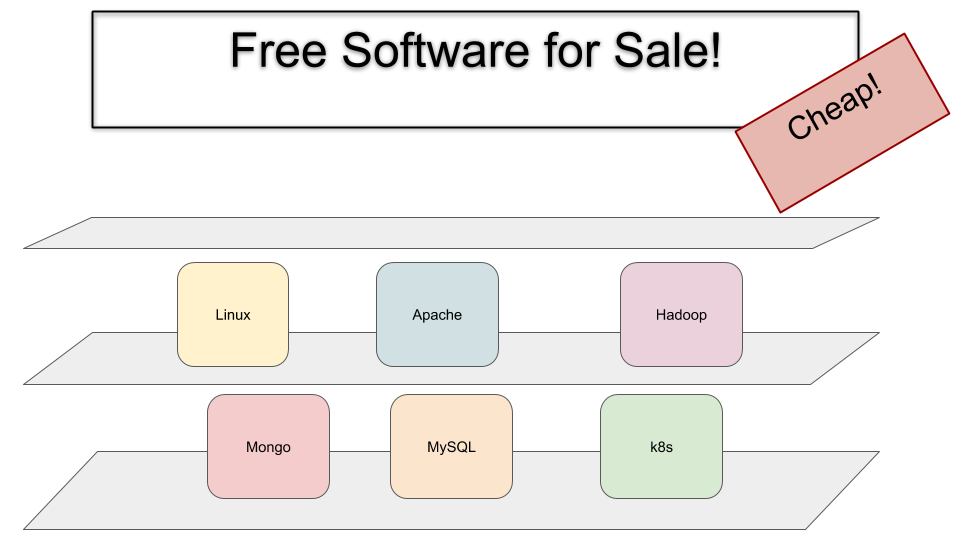
We need Sustainable Free and Open Source Communities
Sustainable Free and Open Source software is not about business models, it’s about building sustainable communities.

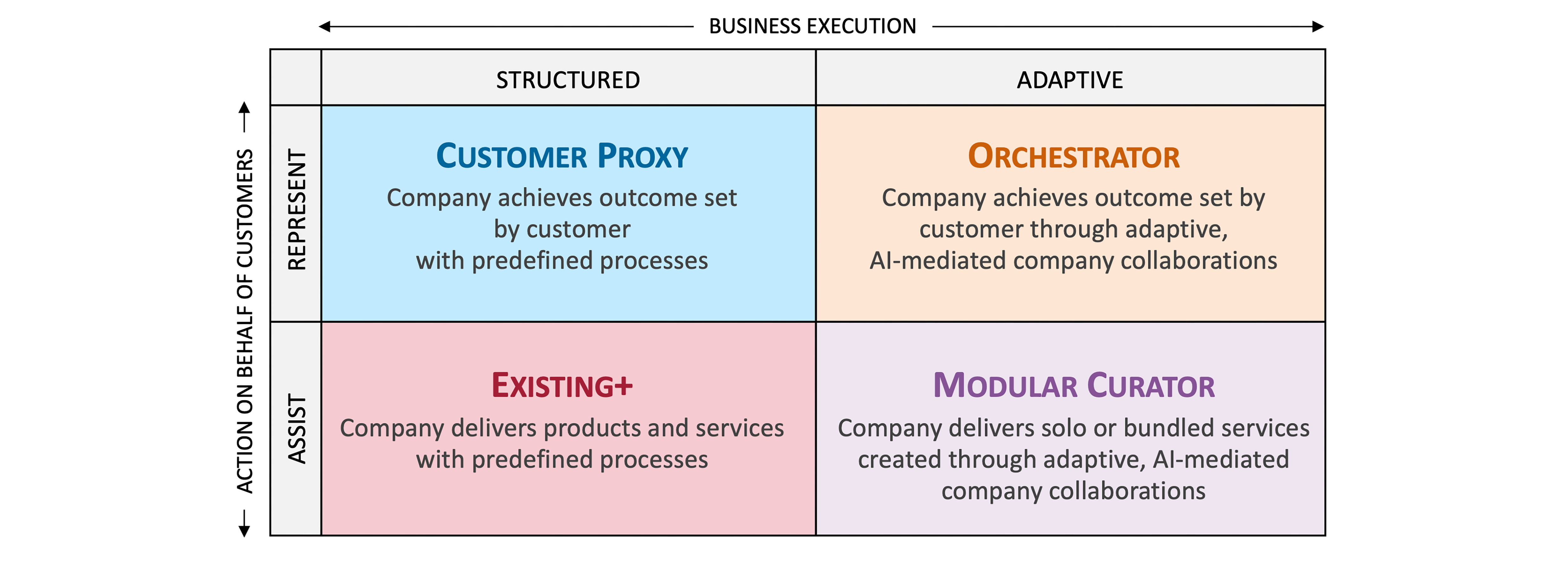
Business Models in the AI Era
MIT CISR anticipates that rapid advancements in AI will drive business model evolution over the next decade, and we propose that business models in the AI era will become increasingly outcome oriented and enabled by autonomous AI. In this briefing, we draw on our research from 2013 to 2025 involving 2,378 companies to describe how digital business models have developed over the last twelve years, and introduce a framework for AI-driven, real-time business models. We illustrate how companies have begun exploring these new business models with a case study of One New Zealand.
Putting Post Growth Theory Into Practice
The Post Growth Entrepreneurship Incubator helps founders break free from traditional business models and implement sustainable…

There is Still NO Open Source Business Model
I wrote a blog post two years ago called There is NO Open Source Business Model. In it, I argued that open source software is really about…

Circular economy in the building and construction sector: A scientific evolution analysis
The building industry is responsible for considerable environmental impacts due to its consumption of resources and energy, and the production of wastes. Circular Economy (CE), a new paradigm can significantly improve the sustainability of this sector. This paper performs a quantitative scientific evolution analysis of the application of CE in the building sector to detect new trends and highlight the evolvement of this research topic. Around 7000 documents published 2005 to 2020 at Web of Science and Scopus were collected and analyzed. The bibliometric indicators, network citation, and multivariate statistical analysis were obtained using Bibliometrix R-package and VOSviewer. The co-occurrence analysis showed five keyword-clusters, in which the three main ones are: (i) energy and energy efficiency in buildings; (ii) recycling, waste management and alternative construction materials; (iii) sustainable development. The analysis showed that researchers pay close attention to “sustainability”, “energy efficiency”, “life cycle assessment”, “renewable energy”, and “recycling” in the past five years. This paper highlights that (i) the development and use of alternative construction materials; (ii) the development of circular business models; (iii) smart cities, Industry 4.0 and their relations with CE, are the current research hotspots that may be considered as potential future research topics.
The relationship between organizational culture, sustainability, and digitalization in SMEs: A systematic review
Organizational culture, environmental sustainability, and digitalization have an impact on the business development of Small and Medium-Sized Enterprises (SME). Dimensions associated with organizational culture (e.g., attitudes, norms, assumptions) give a sense of identity and determine behavior. The latter include general approaches concerning the organizational impact on the natural environment (environmental sustainability) or the adoption of digital technologies (digitalization), which can cause profound transformations of the business model. These three concepts have been investigated separately and scarce attention has been paid to their relationship. To enable SMEs to successfully manage this complex relationship, our study cumulates existing knowledge, offering the first integrative view on organizational culture, level of environmental sustainability, and level of digitalization and their interactions. Through a systematic literature review protocol supplemented where possible by meta-analysis we selected 80 significant papers out of 811 peer-reviewed papers analyzed. We developed a network map to display the relations between the three concepts. Quantitative path analysis was used on three bidirectional main paths. For qualitative analysis we developed a novel extension to the Belief-Action-Outcome (BAO) framework, presented for the first time in the paper. Our findings reveal thirteen key dimensions and identify ten links between the key constructs. Strategic orientation, internal capabilities, management, and attitudes are the most investigated cultural dimensions. Furthermore, we integrated interchangeably used terms (e.g. Green IT and Green IS) introducing the novel concept of green digitalization tools. The meta-analysis revealed trends in applied research methods, geographical locations of research, top journals, and a growing interest in the relationship. Finally, we identify gaps in existing research and challenges for future research.
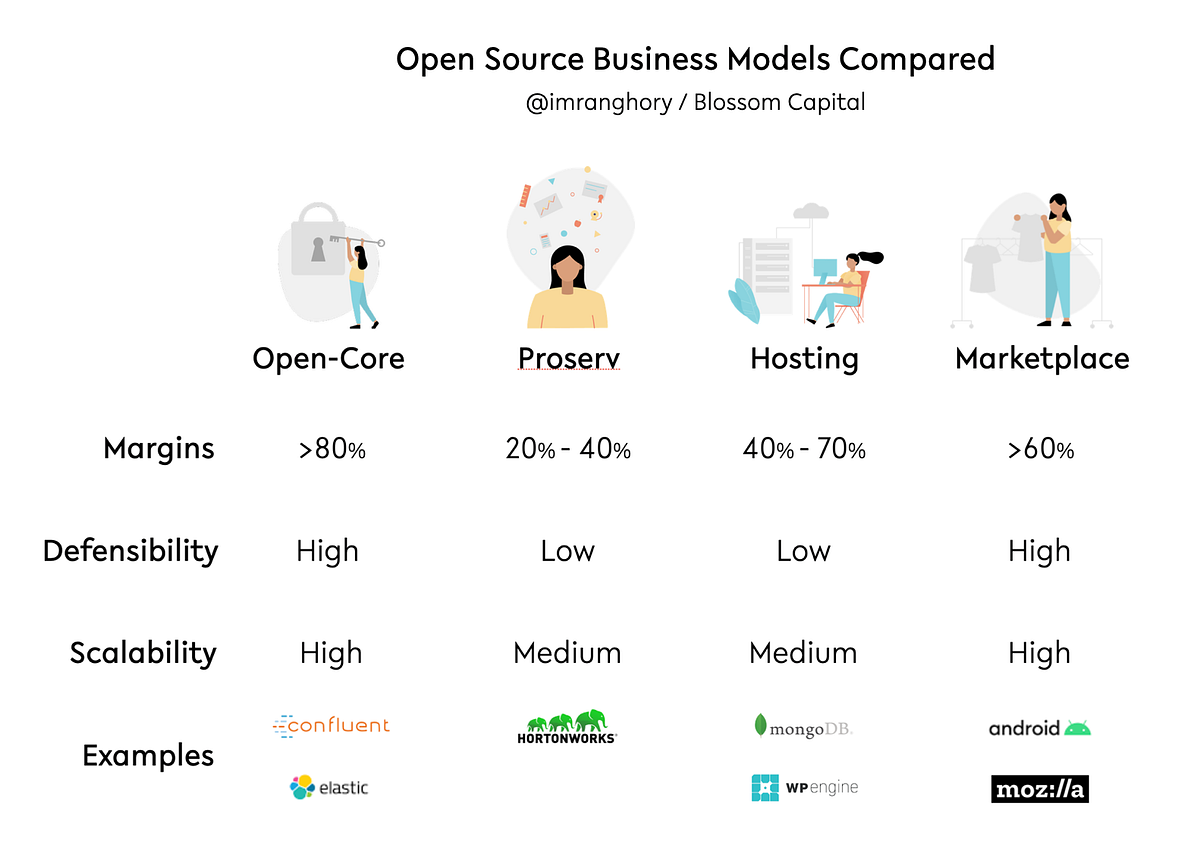
The Secrets of Successful Open Source Business Models
Finding the right model for your open-source startup
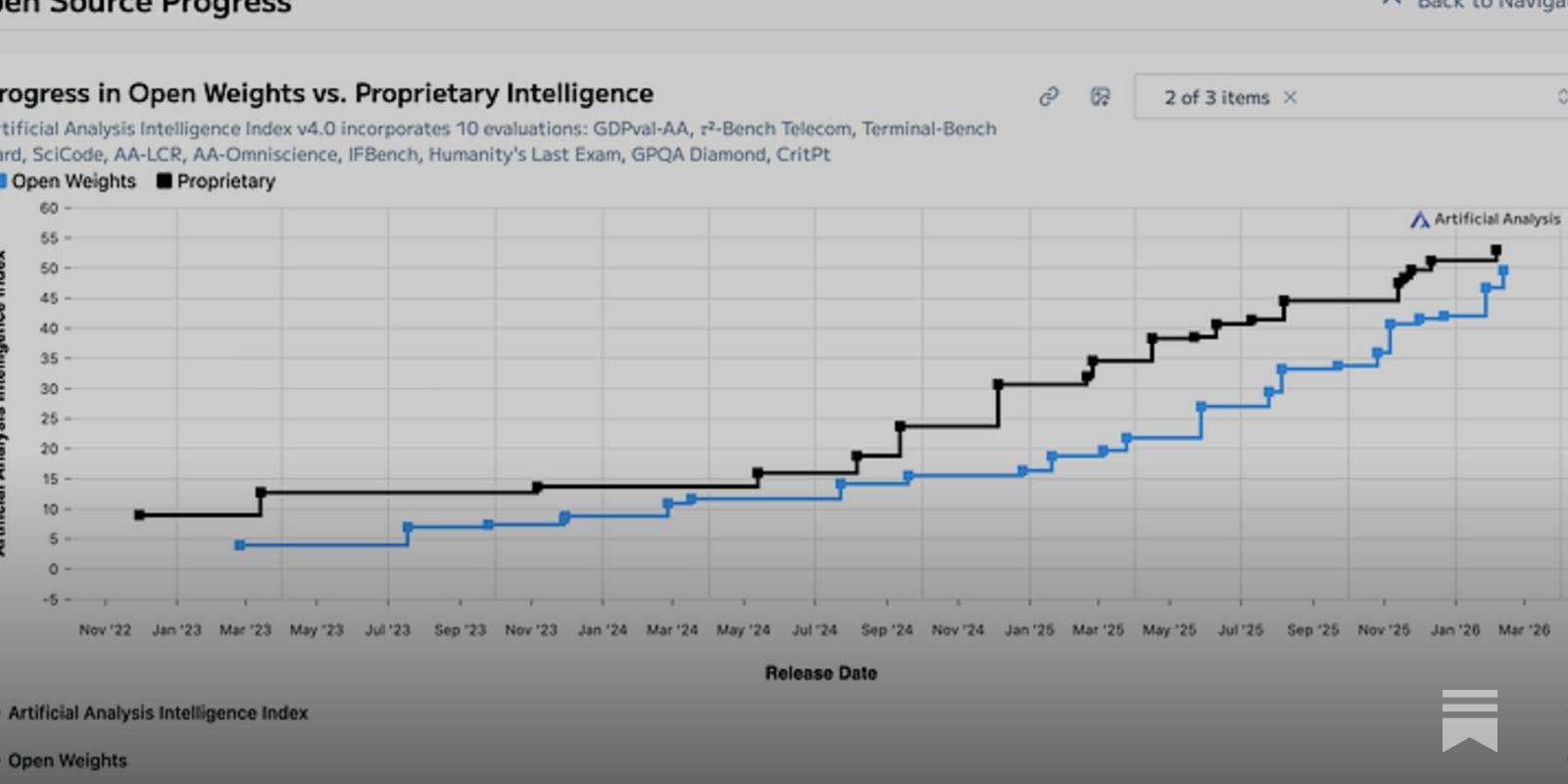
Open models in perpetual catch-up
The open-closed gap, distillation, innovation timescales, how open models win, specialized models, what’s missing, etc.
(PDF) Strategic Technology Adoption for Sustainablity Performance in SME: A Comprehensive Review
PDF | This systematic literature review investigates the strategic adoption of technology for sustainability and resilience in small and medium-sized... | Find, read and cite all the research you need on ResearchGate

Patterns of Strategy
Patterns of Strategy shows how the strategic fit between organisations drives strategic direction. It is essential reading for those who wish to understand how to manoeuvre their organisation to change its strategic fit to their advantage. The 80 ‘patterns’ of strategy help you explore options for collaboration and competition within your strategic ecosystem. A practical and authoritative guide, you can use it to plan and navigate your strategic future.

From Attention to Intention - The Open Garden
Exploring business models for atproto and the open social web