Dissecting History and Politics - creator from Switzerland. I will make mistakes in my videos, the hope is is that if I provide transparency to my research process and sources, people can make up their own minds after the fact. Btw, the name IMPERIAL just comes from when I used to play Skyrim - it definitely is not an endorsement of imperialism lmao.
On the Cunning of Imperialist Reason - Pierre Bourdieu, Loïc Wacquant, 1999
This article poses the question of the social and intellectual conditions for genuine social scientific internationalism, through an analysis of the worldwide s...

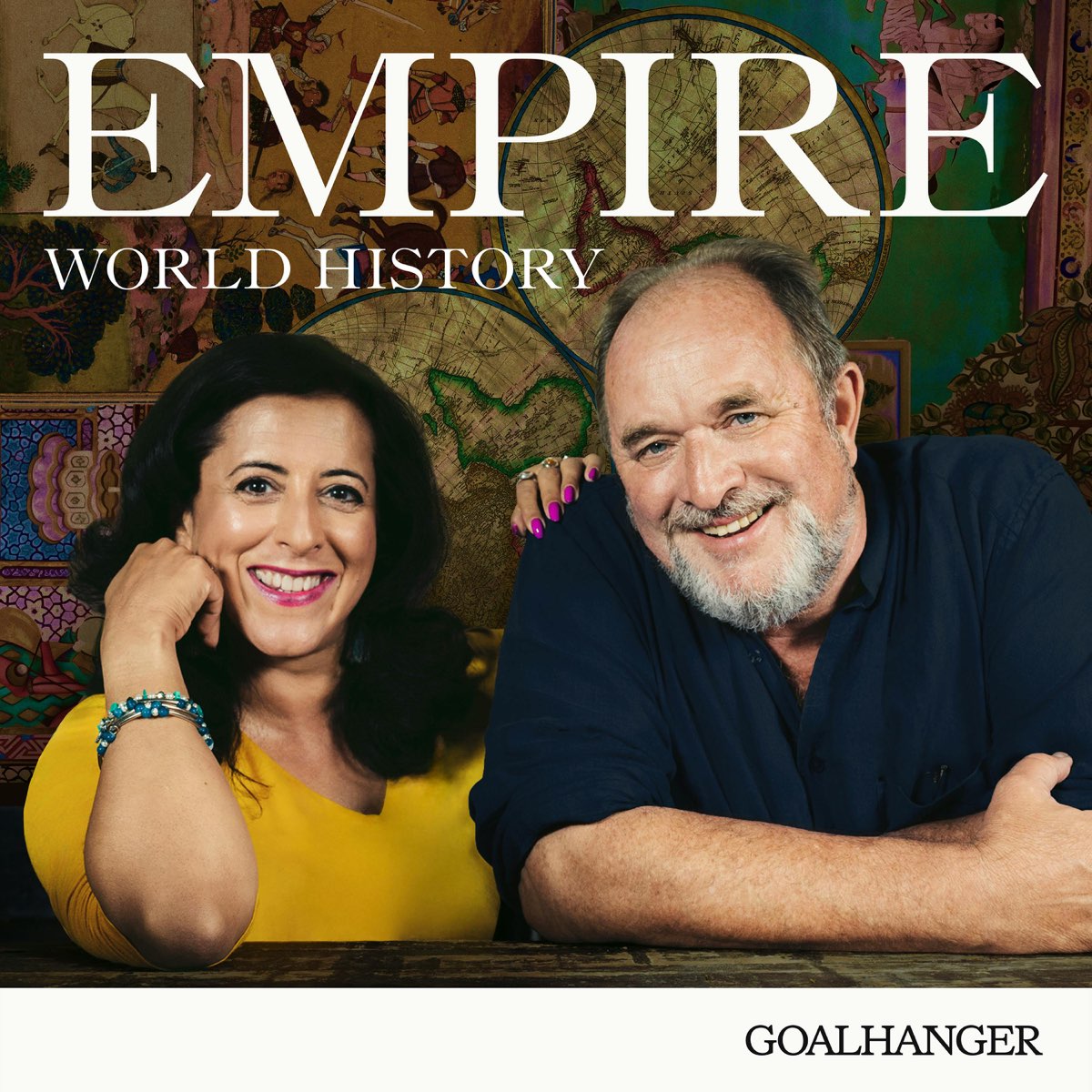
Empire: World History
History Podcast · Updated twice weekly · The rise and fall of empires and the events that shaped world history. William Dalrymple and Anita Anand explore the intricate stories of revolutions, imperial wars, and the people who built and lost…
Book: The Face of Imperialism — The Michael Parenti Political Archive
In the last half-century we have witnessed a dramatic expansion of American corporate power into every corner of the world, accompanied by an equally awesome growth in U.S. military power. These phenomena are often treated as independent developments. Here, Michael Parenti brings them together in a sharp critique aimed as much at errant liberals and certain Marxists as at the dominant political actors who have perpetrated the imperial lie.

Empire: World History
How The US Took Over The World
Foundation and Empire (Foundation, #2)
Foundation and Empire tells the incredible story of a n…

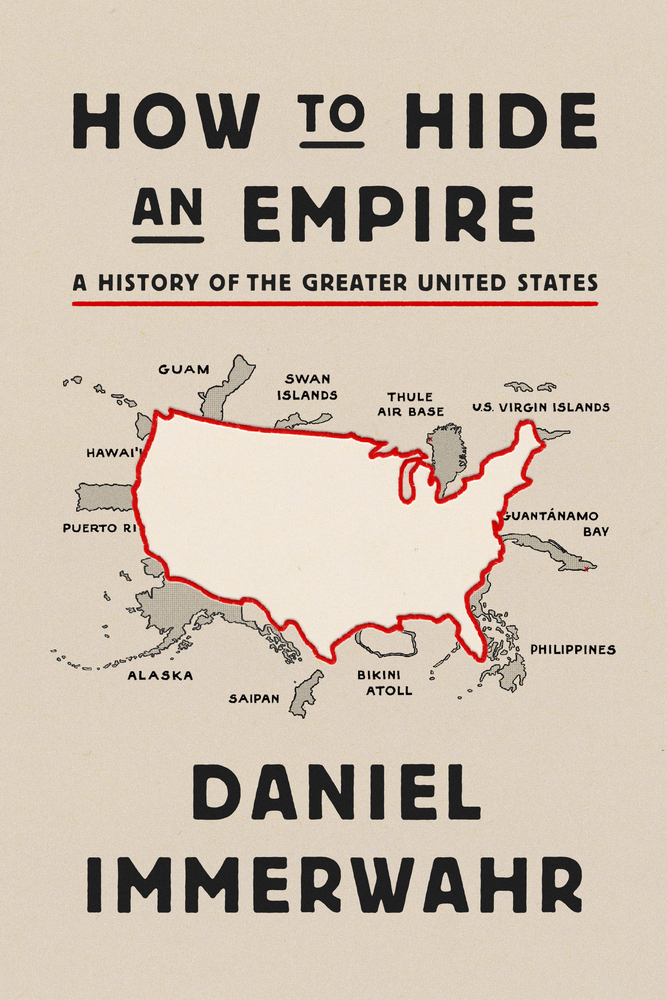
How to Hide an Empire: A History of the Greater United …
A pathbreaking history of the United States' overseas p…
Imperialism in the Twenty-First Century - Monthly Review
John Smith teaches international political economy at Kingston University in London. This paper has been abstracted from his book Imperialism in the Twenty-First Century, forthcoming from Monthly Review Press in... READ MORE

Further Back to the Future: Neo-Royalism, the Trump Administration, and the Emerging International System
With the Liberal International Order (LIO) in decline, scholars have focused increasingly on the possible return to a Westphalian great power system marked by sovereigntist claims and balancing among states. The actions of the Trump administration, however, raise a number of significant puzzles for such accounts—the US seems willing to sign deals with traditional adversaries including Russia and China, while targeting long-standing allies like Canada and Denmark. At the same time, transactional politics often serve narrow personalist interests rather than national objectives. In short, a Westphalian lens focused on states and sovereignty may generate intellectual blinders that misreads the emerging international order. To overcome these limitations, we propose an alternative account, which we label neo-royalism. The neo-royalist order centers on an international system structured by a small group of hyper elites, which we term cliques. Such cliques seek to legitimize their authority through appeals to their exceptionalism in order to generate durable material and status hierarchies based on the extraction of financial and cultural tributes. This short paper lays out the key elements of the neo-royalist order, differentiating it from the Westphalian and Liberal International Orders, and applies its insights to better grapple with the emerging system being promoted by the United States under Donald J. Trump. For policymakers and scholars, the neo-royalist approach clarifies recent events in US foreign policy. Theoretically, the field should take contending ideas of international order seriously, and establish a research agenda beyond a backward looking view to the Westphalian moment.
Marxism & the Global South
A critical history of imperialism and dependency theory, from Marx on colonialism and Eurocentrism to Baran, Frank, Wallerstein, and Samir Amin.
Marxism & the Global South
A critical history of imperialism and dependency theory, from Marx on colonialism and Eurocentrism to Baran, Frank, Wallerstein, and Samir Amin.
Imperialism | The Paper Pilot
The Paper Pilot's digital garden of thoughts on philosophy, politics, and sociology
Calculating Empires: A Genealogy of Technology and Power since 1500
Explore how technical and social structures co-evolved over five centuries in this large-scale research visualization.
AI’s Imperial Agenda
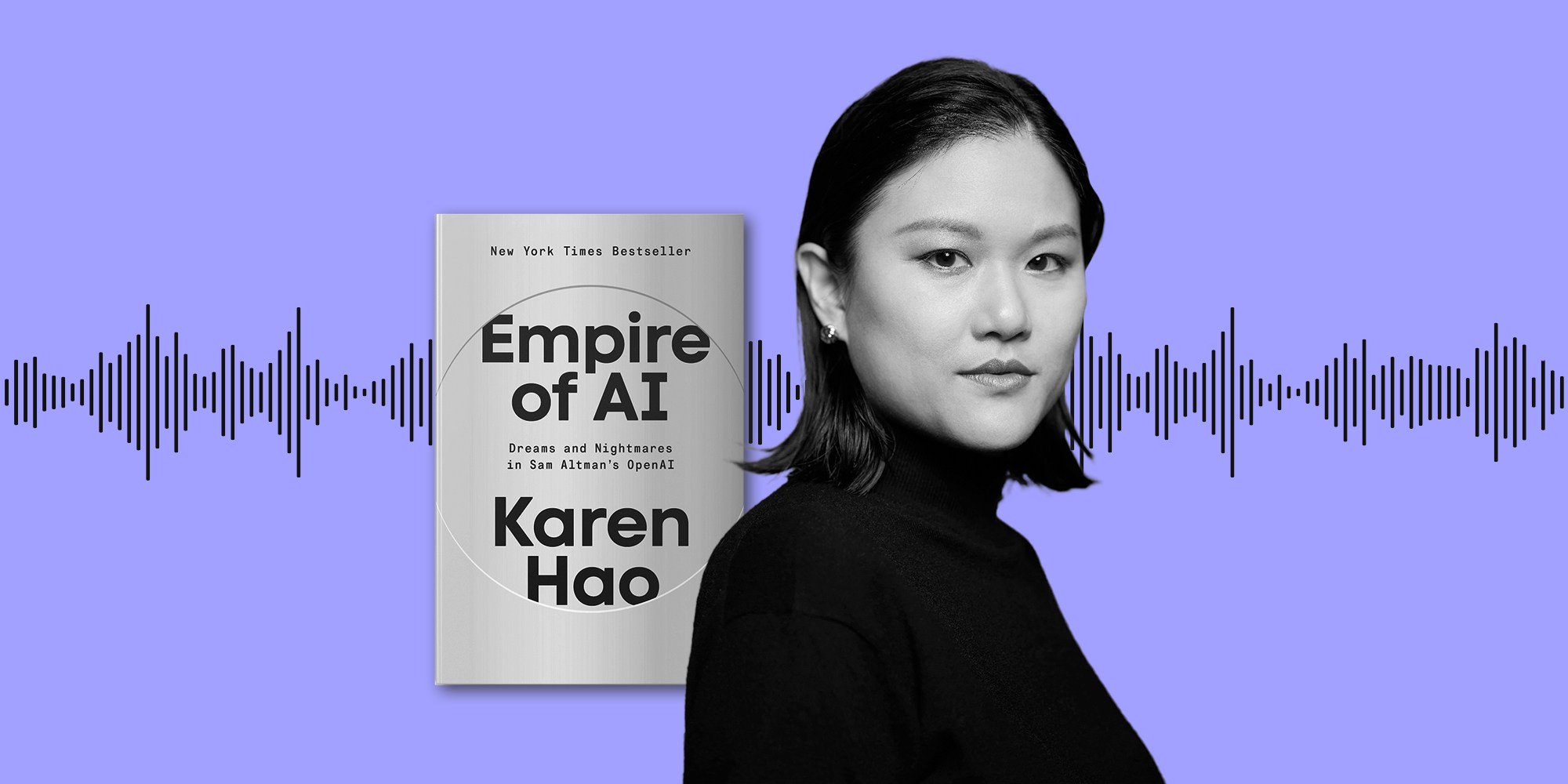
“Empire of AI” author Karen Hao on how Silicon Valley’s young AI companies parallel colonial empires of old.
YOU NAME IT
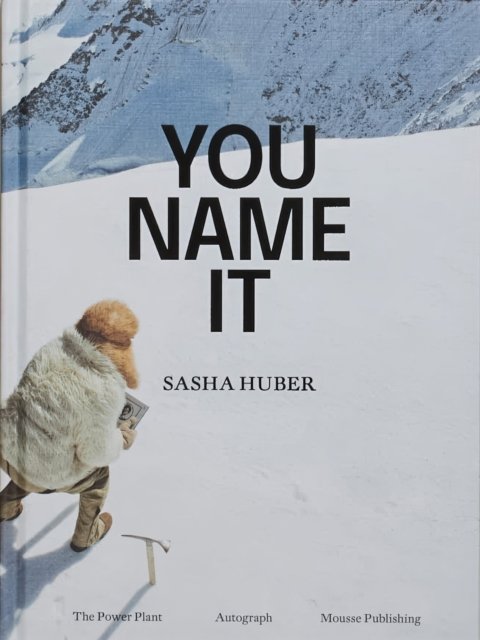
Check out YOU NAME IT - This comprehensive publication focuses on the artwork and activism of Sasha Huber. A Helsinki-based visual artist and researcher of Swiss and Haitian heritage, Huber’s creative practice encompasses performance, photography, film, mixed media, reparative interventions, and collaborations to investigate colonial residues left in the environment. Her projects conceive of natural spaces—mountains, lakes, glaciers, forests, and craters—as contested territories, highlighting the ways in which history is imprinted onto the landscape through acts of remembrance, including memorialization through naming and the erection of monuments. For over a decade, Huber has produced work in relation to the cultural and political Demounting Louis Agassiz campaign, which seeks to redress the racist legacy of the Swiss-born naturalist and glaciologist. With her artworks, Huber challenges the terms by which we remember, asking not only who and what we memorialize, but also, and more importantly, how we do so. by Huber, Sasha on Bookshop.org UK!
Peter Thiel's "Palantir," The Company That Owns The Trump Regime, Just Published Their 22 Point Manifesto For America And It's Terrifying.
22 Points · A Tolkien-Themed Surveillance Empire · A Chairman Who Loved Epstein · A Philosopher-King Blogger On Speed-Dial · And The IBM-Nazi Template Nobody Wants To Name