


Here I want to briefly sketch out a vision for how to solve a key set of problems facing science-of-science researchers, using the relatively new idea of a ‘data trust.’ In my ideal wor…
Why we don’t really know what the public thinks about science
Measuring trust isn’t enough. Furthering knowledge about the institutions and norms of science is the best way to build credibility.
Open North – Building trust in data, for the common good
Open North is a not-for-profit organization dedicated to advancing the common good. Working alongside governments and civic-minded organizations of all sizes, we provide data expertise to enhance decision-making, drive innovation, optimize public and civic services, and address society's most pressing challenges. Our work focuses on building the capacity of organizations to make better decisions about managing their data so that it is useful, actionable, secure, and trustworthy throughout its entire lifecycle.
Have people stopped trusting science? The data tell a surprising story
Some say there’s a global crisis of trust — but research reveals where the real problems lie.
Governing by dismantling: tech oligarchy and the stifling of public data infrastructure
Published in Science as Culture (Ahead of Print, 2026)

FAIR Principles - GO FAIR
In 2016, the ‘FAIR Guiding Principles for scientific data management and stewardship’ were published in Scientific Data. The authors intended to provide guidelines to improve the Findability, Accessibility, Interoperability, and Reuse of digital assets. The principles emphasise machine-actionability (i.e., the capacity of… Continue reading →

DataColada: No Comments - Replicability-Index
Science is like an iceberg. The published record is only a fraction of the things that university -paid academics do. Some time ago, Brian Nosek dreamed about a scientific utopia of open science that would make the workings of academia more transparent, but all we got was preprints and some badges - that are apparently DataColada: Open Science, but Closed Comments?
Doing Data Science on the Shoulders of Giants: The Value of Open Source Software for the Data Science Community · Issue 2.2, Spring 2020
Open source software is ubiquitous throughout data science, and enables the work of nearly every data scientist in some way or another. Open source projects, however, are disproportionately maintained by a small number of individuals, some of whom are institutionally supported, but many of whom do this maintenance on a purely volunteer basis. The health of the data science ecosystem depends on the support of open source projects, on an individual and institutional level.

Citizen science in environmental and ecological sciences
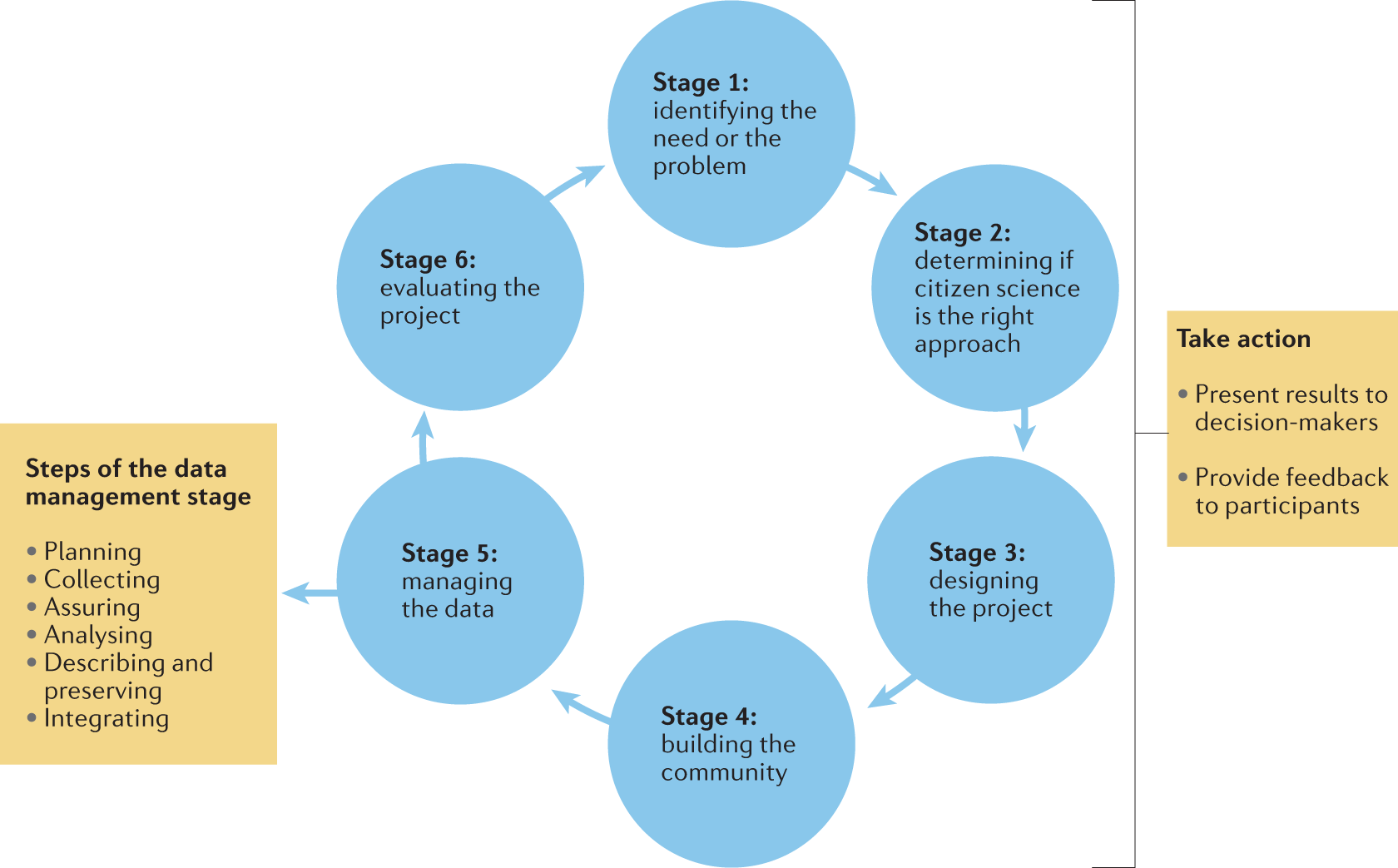
Citizen science is an increasingly acknowledged approach applied in many scientific domains, and particularly within the environmental and ecological sciences, in which non-professional participants contribute to data collection to advance scientific research. We present contributory citizen science as a valuable method to scientists and practitioners within the environmental and ecological sciences, focusing on the full life cycle of citizen science practice, from design to implementation, evaluation and data management. We highlight key issues in citizen science and how to address them, such as participant engagement and retention, data quality assurance and bias correction, as well as ethical considerations regarding data sharing. We also provide a range of examples to illustrate the diversity of applications, from biodiversity research and land cover assessment to forest health monitoring and marine pollution. The aspects of reproducibility and data sharing are considered, placing citizen science within an encompassing open science perspective. Finally, we discuss its limitations and challenges and present an outlook for the application of citizen science in multiple science domains.
Who Will Keep Research Data Infrastructure Open and Running?
The scientific community must consider the longevity of open research infrastructure—why it might fail and how to prevent it.
Who Will Keep Research Data Infrastructure Open and Running?
The scientific community must consider the longevity of open research infrastructure—why it might fail and how to prevent it.
Innovation in Data Science Education
Data science is a new field of research focuses on extracting knowledge and value from data. The radical growth in recent years in the availability of data and of the computational resources required to process them, has led to a corresponding increase ...

Data Feminism
Today, data science is a form of power. It has been used to expose injustice, improve health outcomes, and topple governments. But it has also been used to d...
Doing Data Science on the Shoulders of Giants: The Value of Open Source Software for the Data Science Community
Open source software is ubiquitous throughout data science, and enables the work of nearly every data scientist in some way or another. Open source projects, however, are disproportionately maintained by a small number of individuals, some of whom are institutionally supported, but many of whom do this maintenance on a purely volunteer basis. The health of the data science ecosystem depends on the support of open source projects, on an individual and institutional level.
Democratizing Data
Democratizing Data builds a community-driven data ecosystem by identifying how datasets are used and reducing barriers to accessing high-quality public data. The initiative enhances the discoverability, usability, and relevance of data for researchers, policymakers, and stakeholder communities. A suite of tools and strategic partnerships supports this work by connecting users to the data, insights, and networks needed to inform decisions and generate impact.
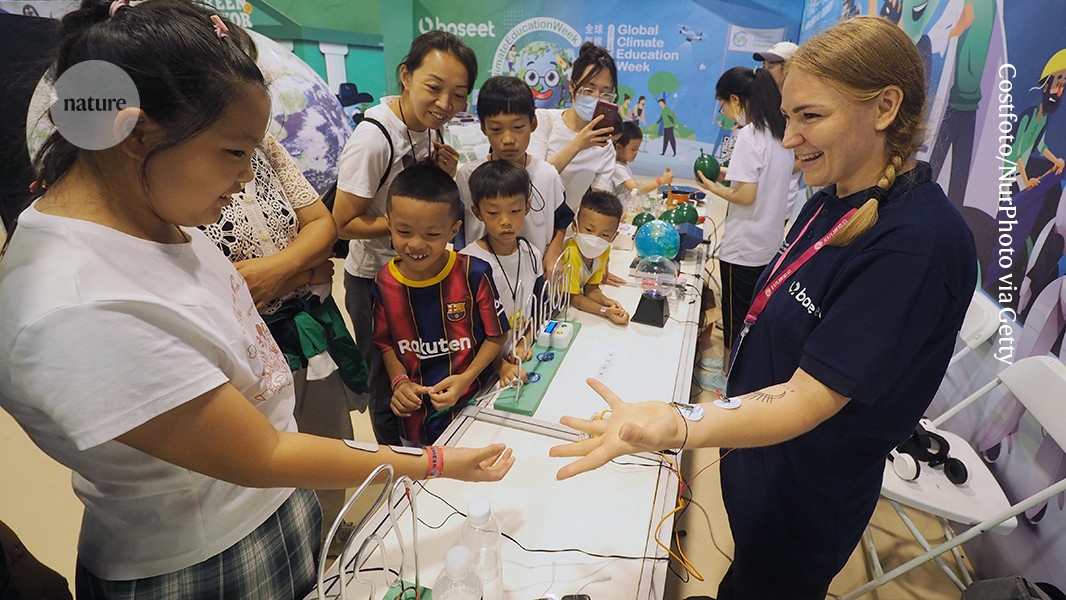
New study finds that when people help collect data or contribute to research it can build public trust by making scientists feel personally familiar and approachable, and that trust then spreads to how local and tangible the research feels. jcom.sissa.it/article/pubid/JCOM_2506_2026_…

How can citizen science reduce psychological distance to science? Insights from three projects in contested environmental contexts
jcom.sissa.it
