

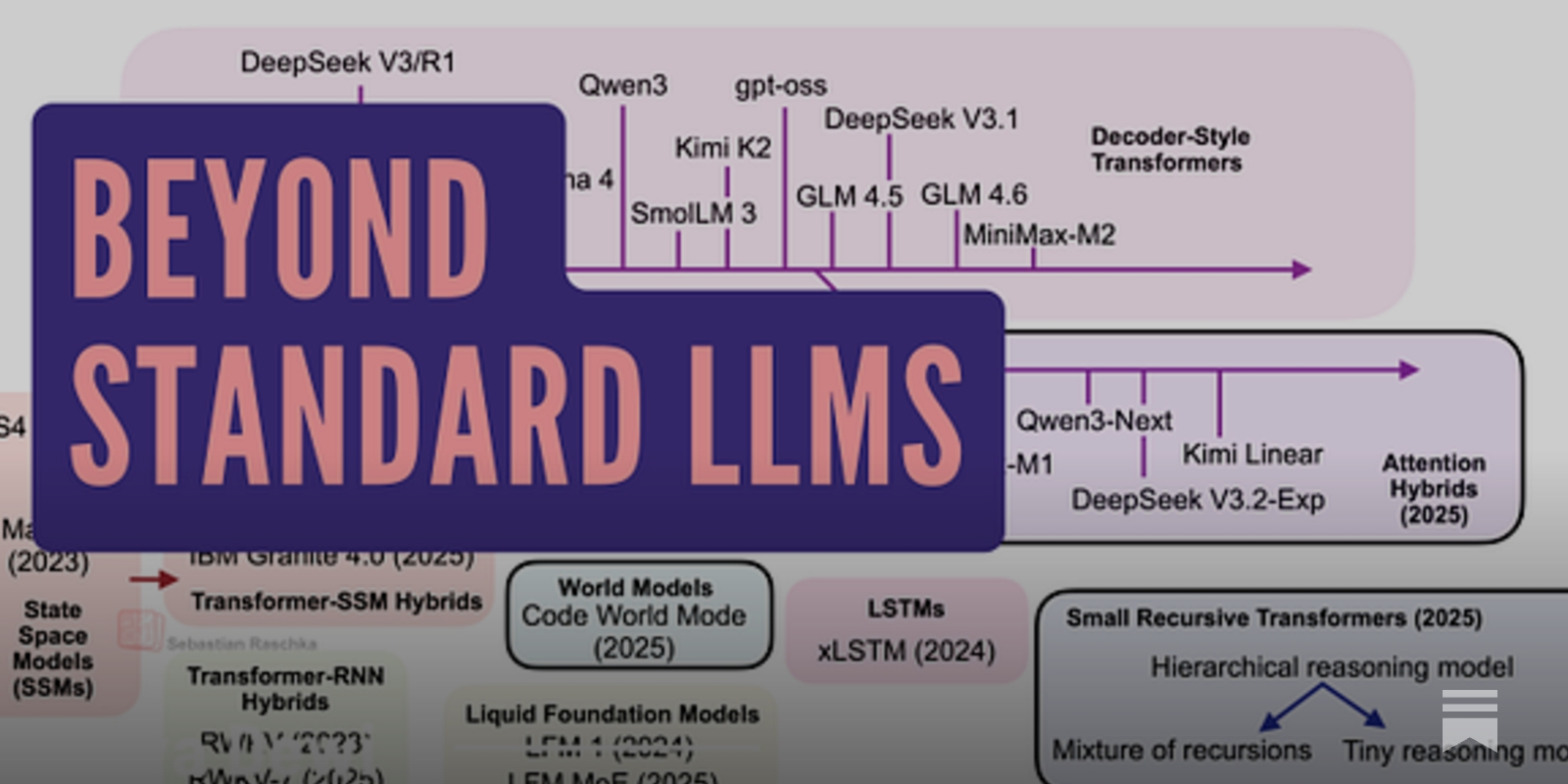
Linear Attention Hybrids, Text Diffusion, Code World Models, and Small Recursive Transformers
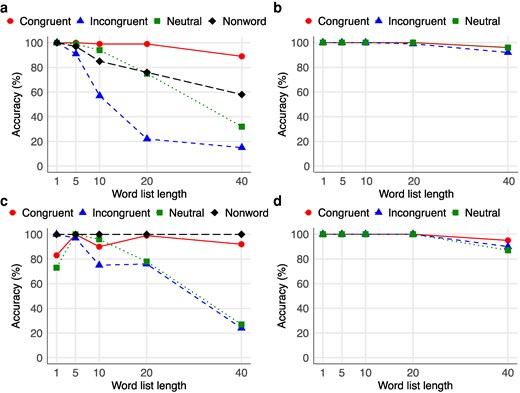
Deficient executive control in transformer attention
Abstract. Although transformers in large language models (LLMs) effectively implement a self-attention mechanism that has revolutionized natural language p
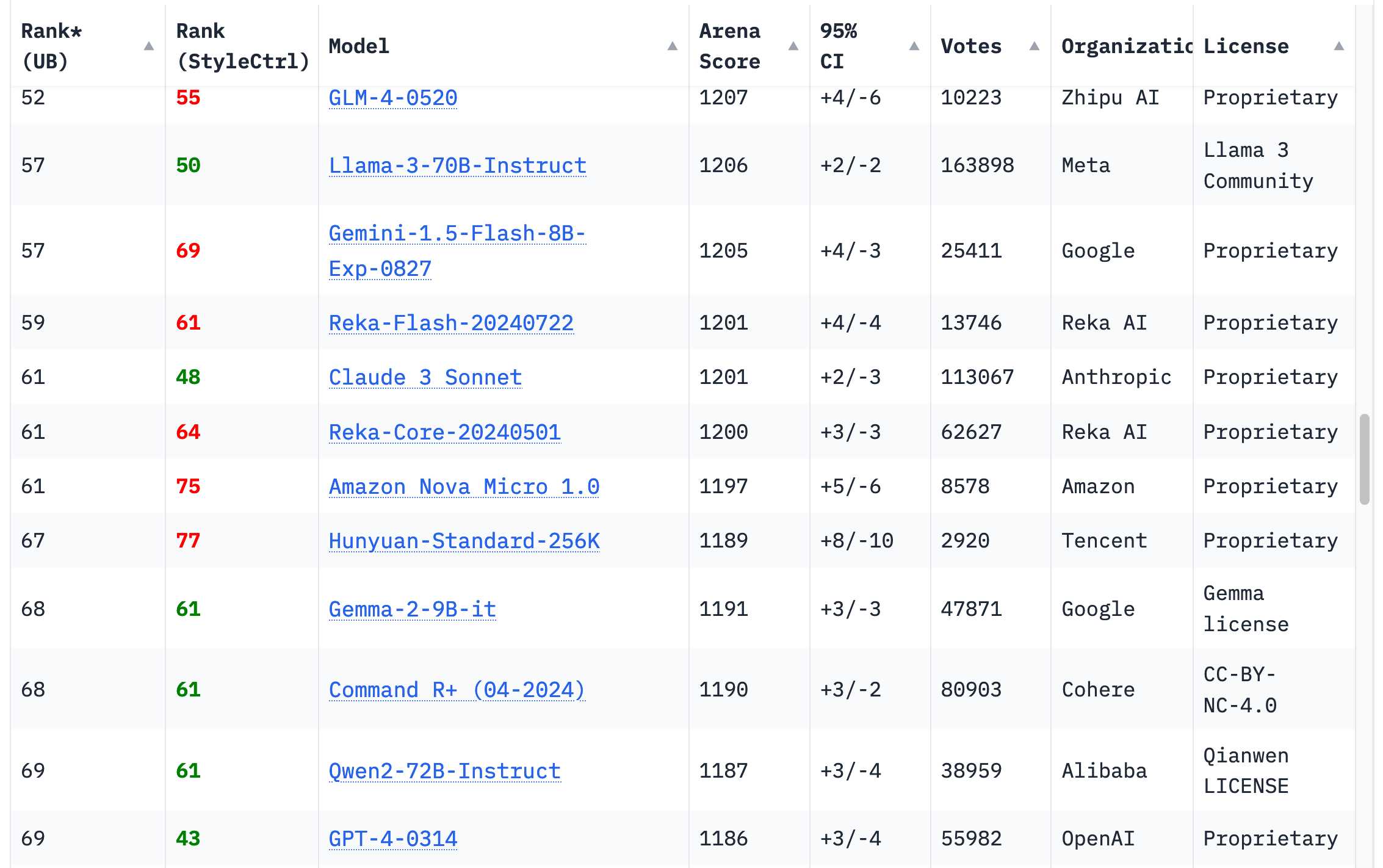
The Case Against LLMs as Rerankers
Authors: Apoorva Joshi, Zhenmei Shi, Akshay Goindani, Hong LiuResearch Leads: Zhenmei Shi, Akshay Goindani, Hong Liu Large language models are increasingly being used for a broad range of tasks, in…

Things we learned about LLMs in 2024
A lot has happened in the world of Large Language Models over the course of 2024. Here’s a review of things we figured out about the field in the past …
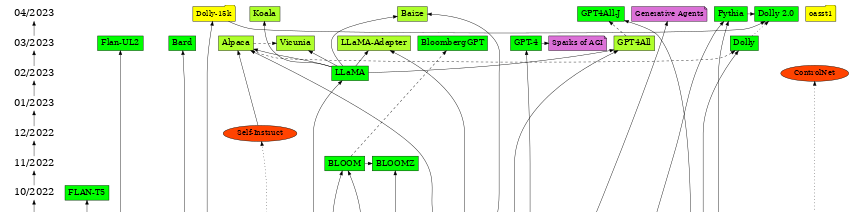
Timeline of Transformer Models / Large Language Models (AI / ML / LLM)
This is a collection of important papers in the area of Large Language Models and Transformer Models. It focuses on recent development and will be updated frequently.
What are Large Language Models(LLMs)?
The architecture of Large Language Model primarily consists of multiple layers of neural networks, like recurrent layers, feedforward layers, embedding layers, and attention layers. These layers work together to process the input text and generate output predictions.

Scaling Laws Across Model Architectures: A Comparative Analysis of...
The scaling of large language models (LLMs) is a critical research area for the efficiency and effectiveness of model training and deployment. Our work investigates the transferability and...

Boring is good – Scott Jenson
The initial, feverish enthusiasm for large language models (LLMs) is beginning to cool, and for good reason. It’s time to trade the out-of-control hype for a more pragmatic, even “boring,” approach. A recent MIT report shows that 95% of companies implementing this technology have yet to see a positive outcome. It’s understandable to feel confused.

Sliding-window beats linear attention
Due to the nature of quadratic attention, Large Language Models (LLMs) consume a lot of memory and energy. Every new token costs more than the previous one. For each additional token, the keys and values must be stored in memory indefinitely, which is unsustainable.
Beyond Model Collapse: Scaling Up with Synthesized Data Requires...
Large Language Models (LLM) are increasingly trained on data generated by other LLM, either because generated text and images become part of the pre-training corpus, or because synthetized data is...
LLM in a Flash: Efficient Large Language Model Inference with Limited Memory
Large language models (LLMs) are central to modern natural language processing, delivering exceptional performance in various tasks…

what are large language models actually doing? i read the 2025 textbook "Foundations of Large Language Models" by tong xiao and jingbo zhu and for the first time, i truly understood how they work. here’s everything you need to know about llms in 3 minutes↓
what are large language models actually doing?i read the 2025 textbook "Foundations of Large Language Models" by tong xiao and jingbo zhu and for the first time, i truly understood how they work.here’s everything you need to know about llms in 3 minutes↓ pic.twitter.com/OeYLuU3cWh— Alex Veremeyenko (@alex_verem) July 26, 2025

I Built an LLM From Scratch
Large language model
A large language model (LLM) is a neural network trained on a vast amount of text for natural language processing tasks, especially language generation. LLMs can typically generate, summarize, translate, and analyze text in many contexts, and are a foundational technology behind modern chatbots.[1] Biased or inaccurate training data can make an LLM's output less reliable.[2]
Alex Veremeyenko on Twitter / X
what are large language models actually doing?i read the 2025 textbook "Foundations of Large Language Models" by tong xiao and jingbo zhu and for the first time, i truly understood how they work.here’s everything you need to know about llms in 3 minutes↓ pic.twitter.com/OeYLuU3cWh— Alex Veremeyenko (@alex_verem) July 26, 2025
Forcing Generative Models to Degenerate Ones: The Power of Data...
Growing applications of large language models (LLMs) trained by a third party raise serious concerns on the security vulnerability of LLMs.It has been demonstrated that malicious actors can...