

Naming your invisible audiences to free yourself from unspoken obligations
“We Own You” – Confessions of an Anonymous Free to Play Producer – TouchArcade
When it comes to discussions surrounding free to play, people often focus on monetization tactics based on their experiences as a player. Folks commonly get upset based on the disruption of the historical precedent that games should have a price tag, that you pay, then get the game.
Your Body, Your Feed – Creating a bridge between consent and self-expression - What’s Happening on My Feed?
Recently, we’ve seen an increase in discussion around how adult content currently shows up on our platform. By adult content, we mean content that is usually labeled as pornography, non-sexual nudity, or sexually suggestive content. Labeling adult content (both text- and image-based) is an example of how we empower community members to share more of themselves with folks, without creating a non-consensual experience for other members that do not wish to engage with adult content. To solve this, we want to present you with options and invite you, as a member of our community, to decide how adult content shows up on Blacksky.
Hollywood Names Surface in Peter Thiel-Backed, Invite-Only Society
Ranks of his group, Dialog, appear to include several prominent figures in media and entertainment who' are put in the same room as C-suite execs and political titans during closed-door annual retreats. The group is planning an expansion.

A Queer and Feminist Defense of Being Anonymous Online
From the earliest days of digital communities, online abuse has been connected to anonymity. While concerns around the impact of anonymity, particularly for women, people of color and LGBTQ folks, is legitimate, this paper argues that a flat rejection of digital anonymity is problematic, foreclosing certain forms of queer and feminist praxis. To make this case, I turn to the platform politics of Craigslist. Using Craigslist as a case study, I discuss the persistent stigma attached to online anonymity, before addressing specific tactics of online anonymity associated with queer and feminist values of privacy and mutual aid. Drawing on accounts of Craigslist users who saw anonymity as a protective form of control over their personal information, I outline ways in which anonymity is not solely an enabler for misogyny and homophobia, and can instead (or rather, also) be a subversive tool for self-expression and intimacy.
Being in a crowd doesn’t make you part of a mindless mob | Psyche Ideas
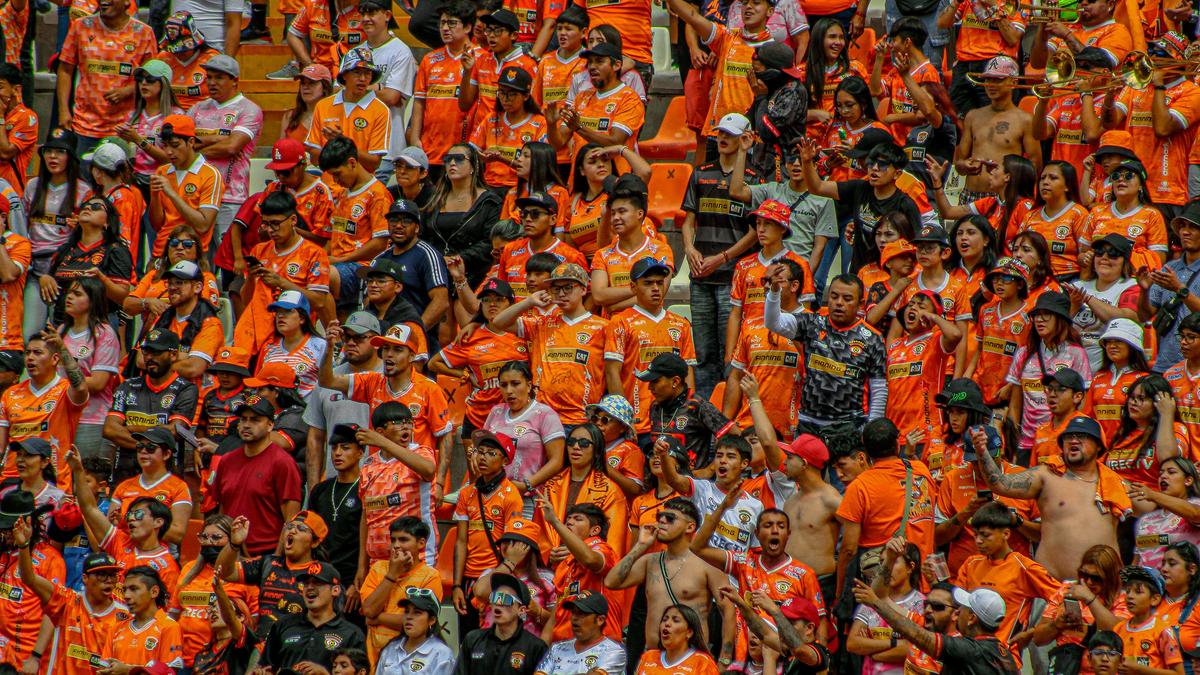
It’s often assumed people lose their minds in a crowd. Research on riots, festivals and sports tells a more uplifting story
From Non-consensual Pornography to Image-based Sexual Abuse: Charting the Course of a Problem with Many Names
Every day, people’s most intimate moments are recorded, uploaded and circulated online without their consent. This gross invasion of privacy – commonly known as ‘revenge pornography’ – has become p...
I Am What I Am - TV Tropes
The I Am What I Am trope as used in popular culture. Often a character will be ashamed of some aspect of themself (or society insists they should be). It …

Anonymity, pseudonymity, and the agency of online identity: Examining the social practices of r/Gonewild
A debate is currently raging regarding the value of anonymity online. On one side of the debate is Facebook, the world’s largest social network site. Facebook demands that people use their real names and is one of the leading forces behind the push towards a “real name” Internet. On the other side of the debate are scholars such as danah boyd and Bernie Hogan and sites such as 4chan and Reddit that view anonymity and pseudonymity as important to how people construct identity online. While much has been written about the benefits of anonymity and pseudonymity, there is a lack of published research examining specific practices enabled by pseudonyms. This paper provides a detailed account of the behaviors enabled through pseudonymous identity construction through a case study of the subreddit r/gonewild. The main contribution of the article is to provide a specific account of the costs of a totalizing embrace of the “real name” Internet.
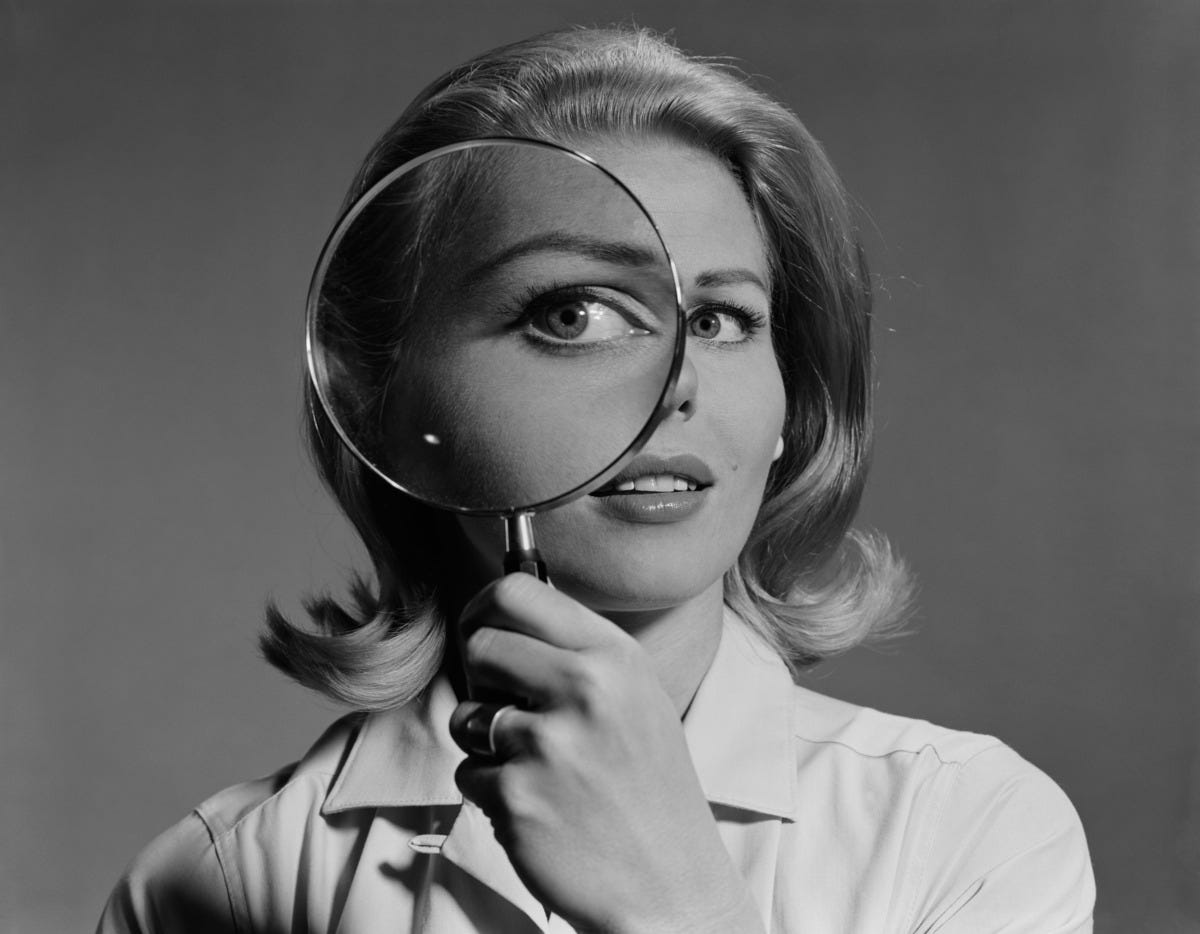
Too amused to stop? Self-control and the disengagement process on Netflix
Abstract. Consuming media entertainment often challenges recipients’ self-control. While past research related self-control almost exclusively to whether i
Harm Through the “#RizzCam”: Smart Glasses, Ambient Capture and Invisible Harassment
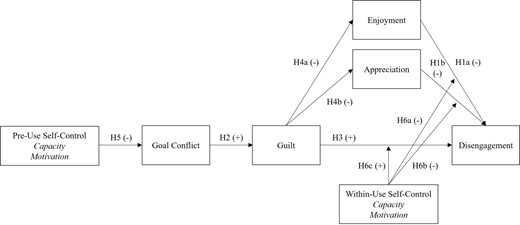
In online safety research, harassment is commonly understood as involving overt and unwanted acts that create a hostile environment for individuals or groups. Smart glasses, or wearable digital devices that are often indistinguishable from ordinary eyewear but can record video, audio and location data in real time, enable new forms of online harassment and gender-based harms that may not be recognised by current online safety or platform governance frameworks. Drawing on an interpretive content analysis of 350 point-of-view Instagram videos posted by individuals self-associated with the pick-up artistry (PUA) community, we examine how smart glasses can be used to harass women through what we call ambient capture. Ambient capture includes clandestine recording of people and social interactions within public, semi-private and private spaces. We argue this can constitute harassment when it is targeted at women and shared online without their consent. In our study, we found videos using ambient capture practices to harass women that had gone undetected by Instagram’s content moderation systems. These findings suggest online safety regimes and content moderation approaches should be assessed to ensure they account for the more invisible forms of harassment introduced by smart glasses and other wearable technologies.
The forced global adoption of puritanistic American cultural norms vis sexuality and nudity via app store/payment processor rules is one of the least-discussed free speech issues of the last decade and this lack of attention is going to hurt online expression so much in the years to come.

♍ Bee 🐝
I think also we cannot ignore the potential social and cultural ramifications of normalizing the demonification of anything adult or sexual The whole system is stacked against any sort of movement in the other direction and it's not something the porn industry can handle alone at this point
humble opinon: it's hard to be taken seriously when you tell everyone about respecting users' agency and then force a change of *their content presentation* with no controls in other words: why do y'all have so much care at the protocol level and seems to have so little on everything user facing?!

