

The emerging golden age of home-cooked software, barefoot developers, and why the local-first community should help build it
Aaron Boodman on Twitter / X
There is this tension in dev tooling right now: Lots of people want to self-host, and not depend on a service. Lots of people also want the vibes of open source - being part of an open development community, having the code, etc.But builders still need to make a living...— Aaron Boodman (@aboodman) January 23, 2024
Working in Public: The Making and Maintenance of Open S…
An inside look at modern open source software developer…

Cracks in Containerized Development
Nerd rants about developing software in isolation from the home system; toolbx, distrobox, devcontainers, nix, etc
Assembling Community OS — Open Indie
I've previously written about the multi-app platform of my dreams as a community professional: The Community OS stack. While undeniably ...

Creating and growing healthy community open source projects [PLoP 2020]
Abstract: This article presents a succinct and minimal handbook of best practices of how to create and grow community open source projects. We start with the assumption that the handbook’s user has…

The Missing Middle of Open Source
Why serious, maintainer-driven projects struggle to sustain themselves—and what it will take to fix it.
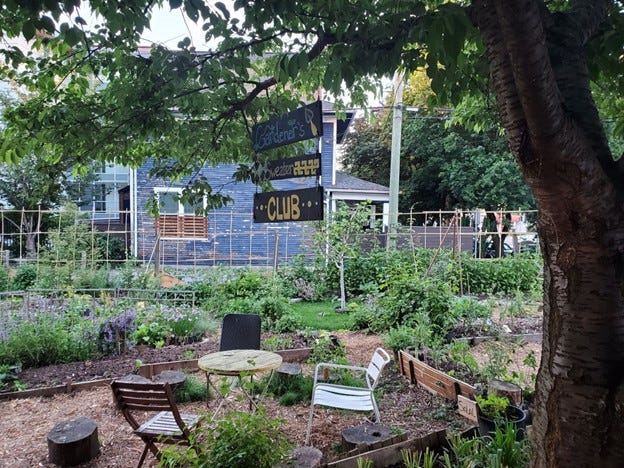
From Volunteer Gardening to Building Next-Gen Distributed Web Apps: My Journey to Holochain App…
A story about discovering community, a mind-warping internet paradigm and a global network of unconventional software engineers.
A New Wave of Peer-to-Peer Apps Heralds a Farm-to-Table Internet
This week, we discuss the local-first computing movement and its push to reduce our reliance on the corporate-owned, cloud-based software tools we use every day.

Keep Your Friends Close — Open Tech Strategies | Blog
One of the insider secrets of free and open source software (FOSS) is that most of the rules a project uses on a day-to-day basis are not found in the software’s license. There are contribution guidelines, which are enforced by the project only taking contributions that meet them. There are codes of conduct, which are a condition of community participation. There are endorsements, official membership, a voice in setting the project roadmap, and all kinds of other benefits that attach to varying types of community participation. In each case, entirely external to the license, there are official rules and unwritten norms that govern how participants gain the benefits of joining the civic life of a project.
How Do Individual Contributors Get Stuck? A Primer
Technology, startups, programming, technical management and software architecture
The Architecture Of Local-First Web Development — Smashing Magazine
An honest perspective on building local-first web apps in 2026, written for developers who’ve been doing this long enough to be skeptical of silver bullets.
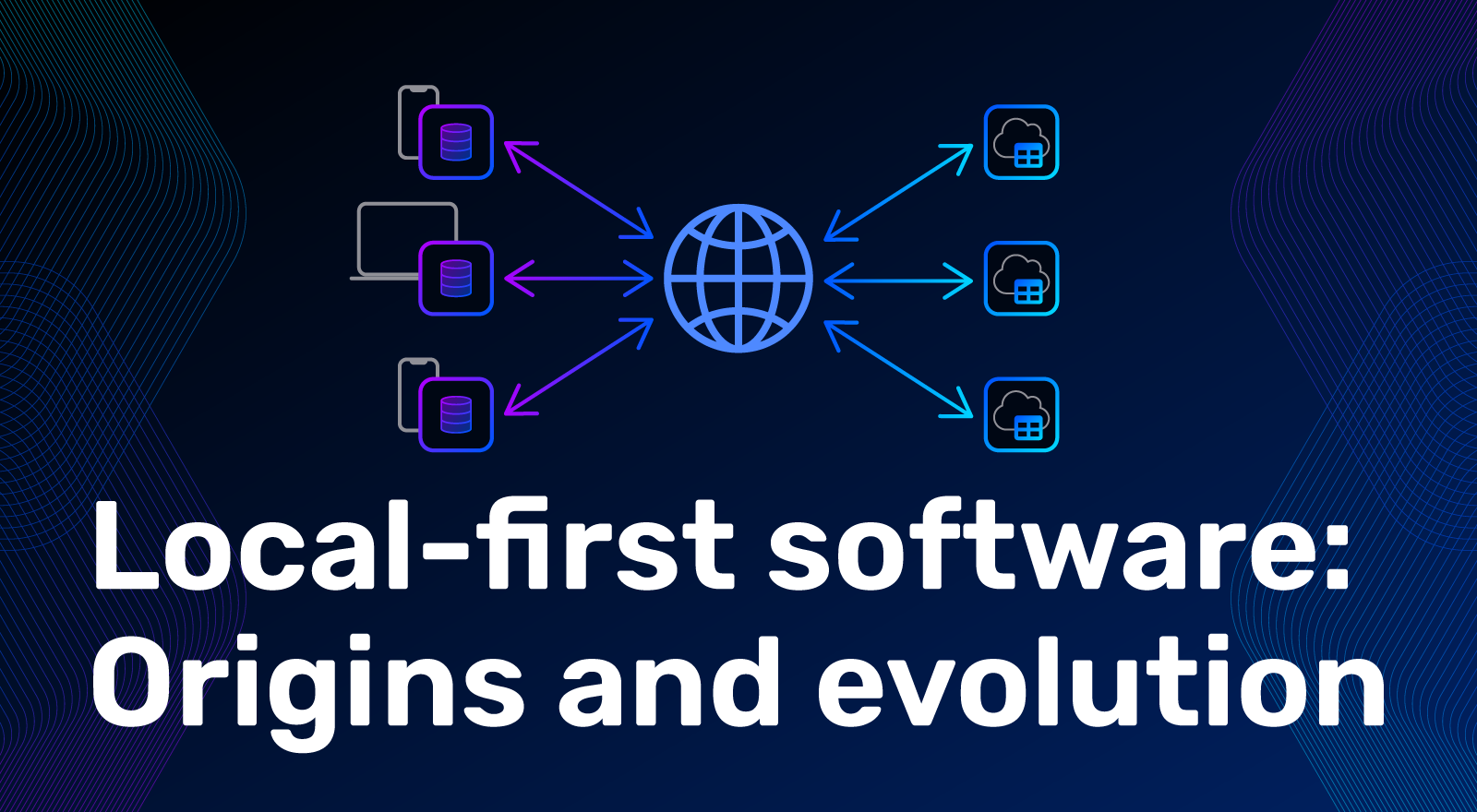
Local-First Software: Origins And Evolution
Developer interest in local-first software is continuing to grow rapidly in 2024. At the same time, it’s also apparent that developers currently have different views on what they consider to be ‘local-first software’, ranging from narrower to broader definitions. This prompted us to take a closer look at the origins and evolution of local-first.
Twelve tips for growing communities around your open source project | Ben Balter
Publishing code isn't enough. Twelve practical tips to attract users, welcome contributors, and grow a healthy open source community.
big milestone at the day job where we open sourced Resident, our low-level core tech aimed at hardware device developers: code sandboxes for microcontrollers idea is that end users can infinitely reprogram the products in their home info + GitHub over here... news.inanimate.tech/p/lab-notes-drum-loops-protot…
Barefoot Developers

Links about letting non-programmers solve their niche problems with personal vibe-coded software.
MCP Apps
A2UI

Gemini Canvas — write, code, & create in one space with AI

Claude Artifacts

Introducing Patchwork-26
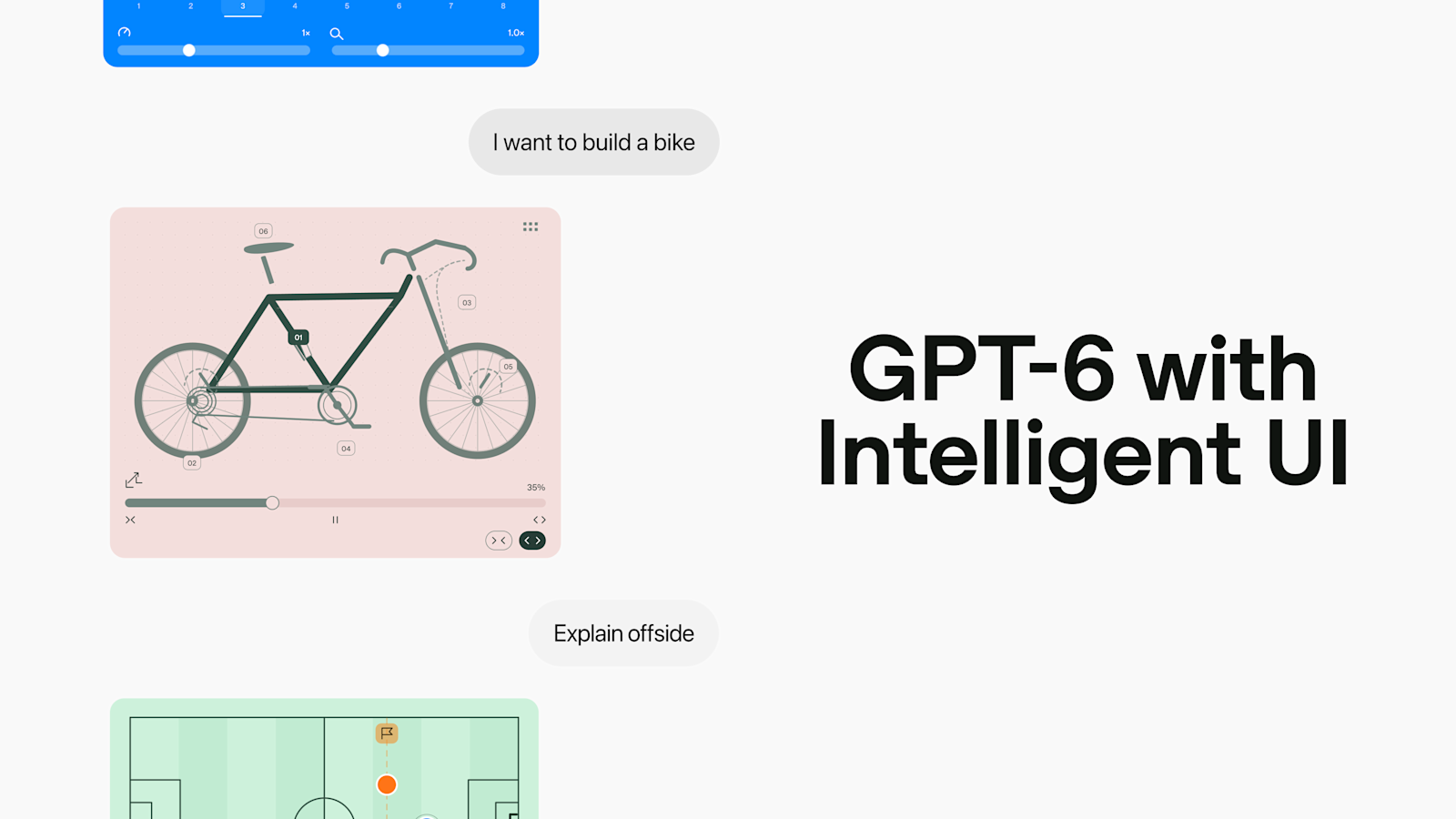
GPT-6 and Intelligent UI for everyone
