


NAGOYA (Kyodo) -- The Aichi-Nagoya Asian Games organizers said Friday ticket sales are below 60 percent for eight sports including baseball, football
Ticket sales below 60% for 8 Asian Games sports: organizers
The Aichi-Nagoya Asian Games organizers said Friday ticket sales are below 60 percent for eight sports including baseball, football and hockey, as well as for the closing ceremony.

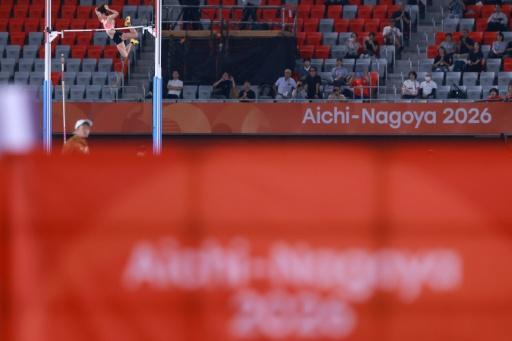
Japan organisers 'not satisfied' as empty seats blight Asian Games
Asian Games organisers admitted on Saturday they were "not satisfied" with ticket sales after swathes of empty seats were seen at the main stadium...
Asian Games are bigger than the Summer Olympics in athlete numbers | The Asahi Shimbun Asia & Japan Watch
NAGOYA—How big are the Asian Games?
Asian Games: Governing body urged to address participant surge: sources
TOKYO (Kyodo) -- As the number of athletes and officials expected to take part in the upcoming Asian Games is likely to exceed initial projections by

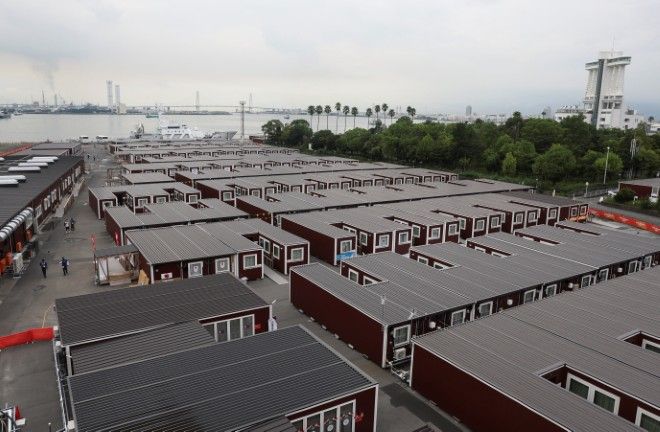
Asian Games: Common area, fitness facilities readied for athletes
NAGOYA (Kyodo) -- Athletes at the Aichi-Nagoya Asian Games will have access to an outdoor common area for events and socializing, as well as several f

Accommodation, transportation problems mar 2026 Aichi-Nagoya Asian Games - The Korea Times
NAGOYA, Japan — With more than 15,000 athletes and officials bringing a 16-day run to an end on Sunday, the 2026 Aichi-Nagoya Asian Games came unde...

Asian Games in Japan Leave Questions of Legacy – Adnkronos English
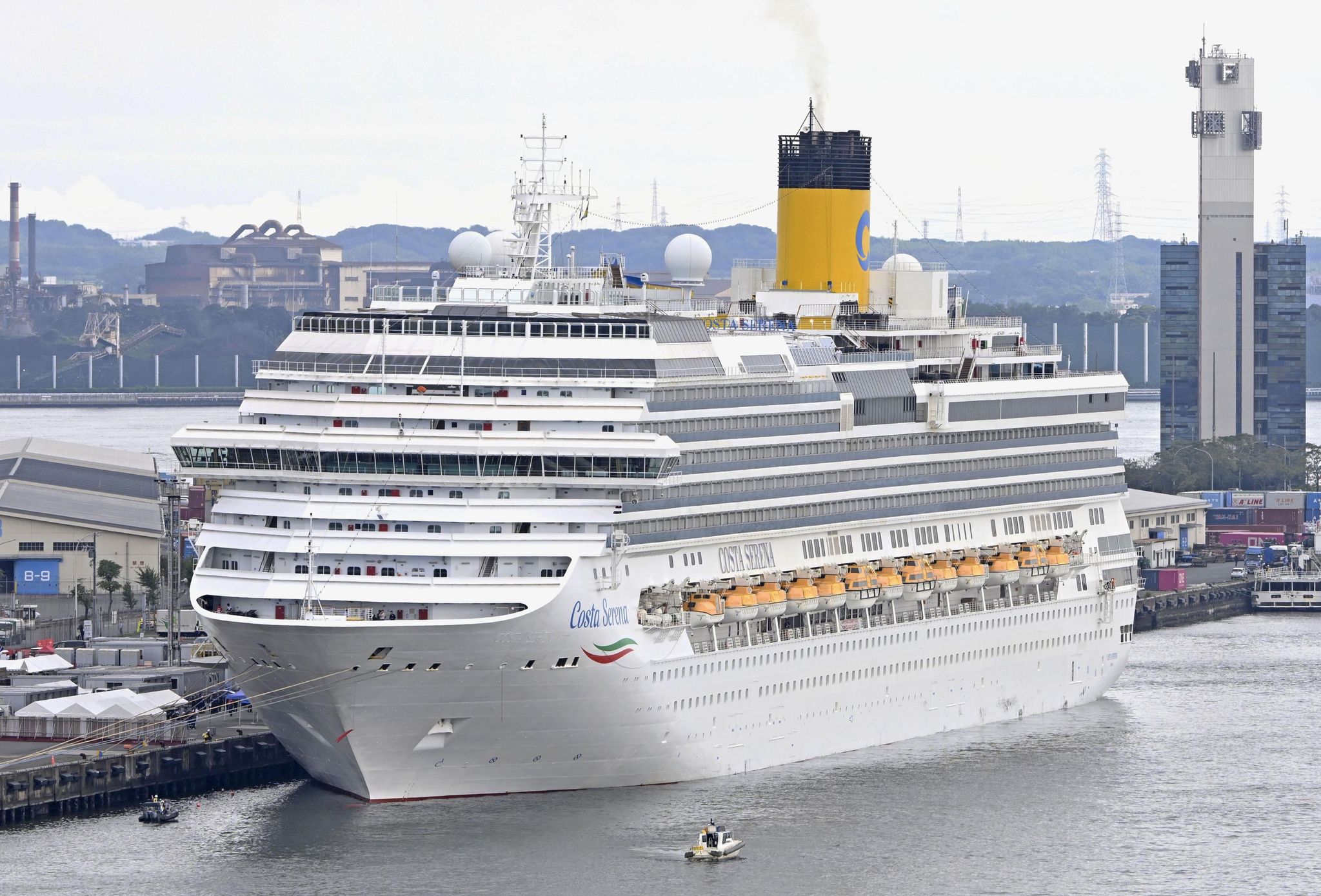
Nagoya, Oct. 5 (Jiji Press)–The first Summer Asian Games held in Japan in over three decades left behind questions of its legacy. The 16 days of sport mainly held in the central prefecture of Aichi through Sunday featured venues full of cheering crowds and scenes of excitement shared by a wide range of people, a sharp contrast to the spectatorless Tokyo Olympics in 2021 during the COVID-19 pandemic. The Asian Games brought together over 15,000 members of delegations from 45 countries and regions. Japan rewrote its record high for both total medal tally and gold medal count for the quadrennial sporting tournament, sweeping up 269 medals, including 83 golds. Japan left behind valuable memories for people in the country. Spectators witnessed high-level performances by athletes, and were introduced to Asia’s vast array of cultures. People also had a chance to see athletes at public events to celebrate the medalists. The 2021 Olympics and Paralympics in Tokyo had 1,423.8 billion yen in costs. The budget for the Asian Games and the Asian Para Games totaled 298 billion yen, despite the number of sports and participating athletes being larger than those of the worldwide sporting festival. The latest Asian Games aimed to create a sustainable event that was simple yet smoothly operated. The organizing committee decided not to newly build an athletes’ village, while opting to host individual sporting events at existing venues in five Japanese prefectures, including Tokyo. The massive sporting event, however, was not without its hiccups, especially in terms of operations. The event was hosted without the involvement of a major advertising agency taking charge of daily operations, which was unusual for a major international tournament in Japan. Without the know-how of such a company, many staff members on the organizer’s side were inexperienced. “There were operational difficulties from the very start,” a senior official of the organizing committee said. An event planning company tasked with venue operations failed to submit venue diagrams in time, according to a person familiar with the matter. “There was a lack of information sharing,” the person said. The person said that preparations dragged on until just before the opening ceremony, due to expense calculations and venue-related planning being delayed. Issues also plagued the tournament after competitions kicked off. North Korea’s national anthem was played instead of South Korea’s anthem at a men’s hockey match against Bangladesh on Sept. 18, while a bus did not arrive to take the South Korean men’s basketball team to a practice session before the final against Japan on Sept. 20. The organizing committee spent a busy period apologizing and explaining these blunders. While the committee had touted strong ticket sales, many spectator seats were empty at some venues. The committee also learned valuable lessons from its delayed responses to inaccurate posts being spread on social media. The committee was quick to act on some issues. An official of the committee said that it had provided round-the-clock support to tackle reports of water leaks, clogged drain and other issues by people staying at container houses serving as accommodation for athletes. On transportation issues, the committee switched to a booking system that did not accept late bus reservations after a predetermined deadline. Junichi Kawai, commissioner of the Japan Sports Agency who has plenty of experience competing at international tournaments as a six-time Paralympian with 21 Paralympic medals in swimming under his belt, said, “We always have issues” at any big tournament. “We’ve resolved them.” The Japanese government plans to put together the country’s accumulated know-how on running a massive sporting tournament, and pass such lessons on to future generations. Japan’s basic law on sports, revised last year, stipulates that efforts securing the transparency of tournament operations and nurturing personnel are state-led measures. As part of the effort, the Asian Games organizing committee needs to leave behind reports and people with related knowledge and experience. In terms of revenues, the tournament’s sponsorship income reached 27 billion yen, exceeding the organizing committee’s goal. The legacy of the latest Asian Games is the method of cutting down on expenses through utilizing container hotels and cruise ships in place of a dedicated athletes’ village, as well as ways to deal with challenges involving the transportation of athletes. Such a legacy will be very important given that Japan may host another massive sporting tournament, including possibly another Olympic Games, in the future. A committee was launched in September to submit a bid to host the 2035 Rugby World Cup. END [Copyright The Jiji Press, Ltd.]

Asian Games: Governing body urged to address participant surge: sources
As the number of athletes and officials expected to take part in the upcoming Asian Games is likely to exceed initial projections by up to 2,000, Japan's organizing committee has urged the games' governing body to address the issue, sources close to the matter said Sunday.

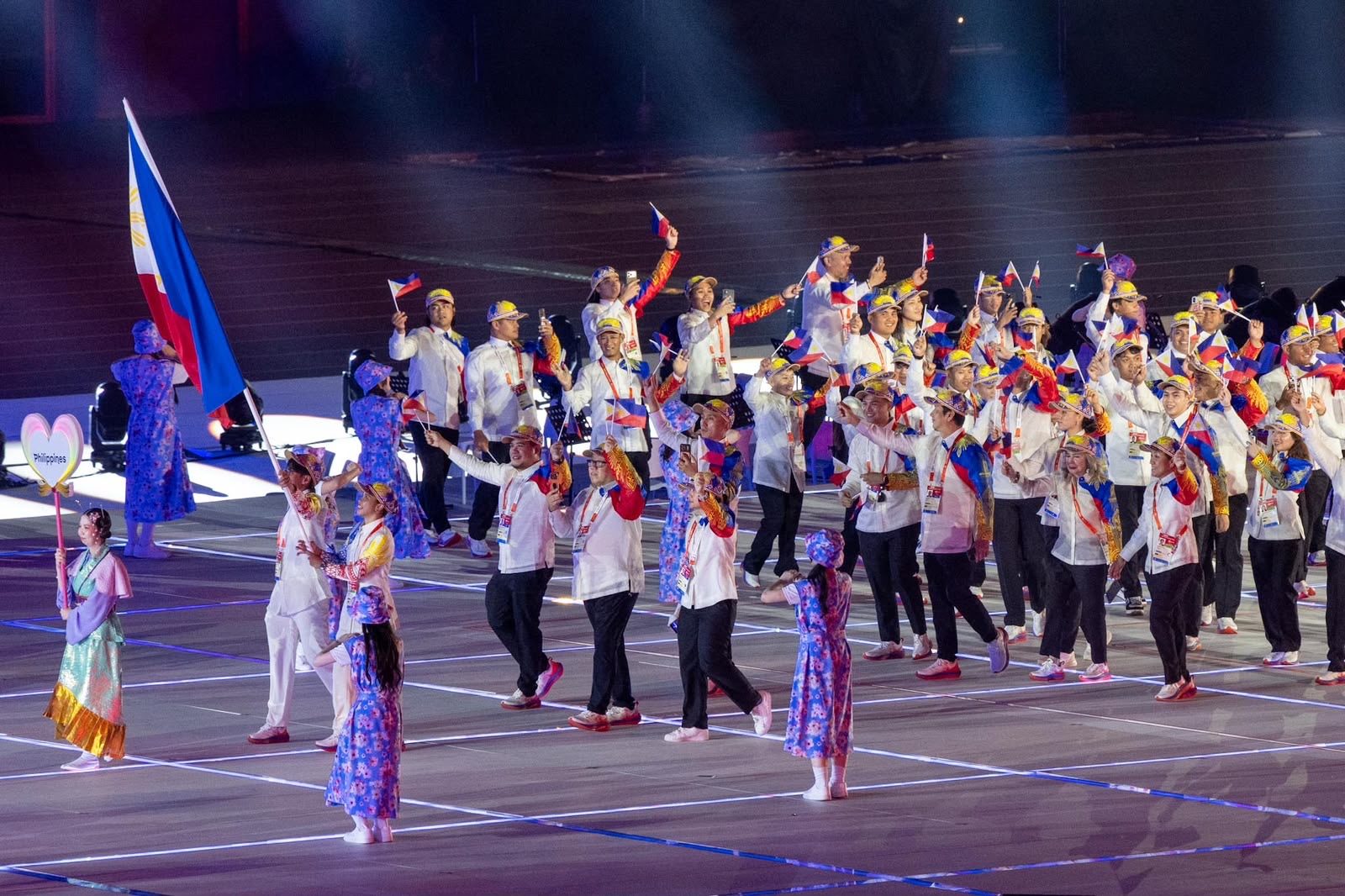
Asian Games open in Nagoya with glitzy ceremony after troubled buildup
Organizers hope the Asian Games opening ceremony will help resolve a rocky buildup filled with complaints from athletes and officials involving accommodation and transport
By the numbers: A look at the Asian Games in Nagoya, Japan
The Asian Games are often identified as the second most important multisports event after the Summer Olympic Games. They date from the first edition in 1951 in New Delhi, India, and were last held in...
Asian Games chief defends 'functional' rooms after backlash
NAGOYA: Accommodation for Asian Games athletes in Japan is "functional" and efforts are being made to deal with numerous complaints from disgruntled teams, a chief organiser told AFP.More than 17,000 competitors and officials are expected at the continent's biggest sporting spectacular, which opens on Saturda
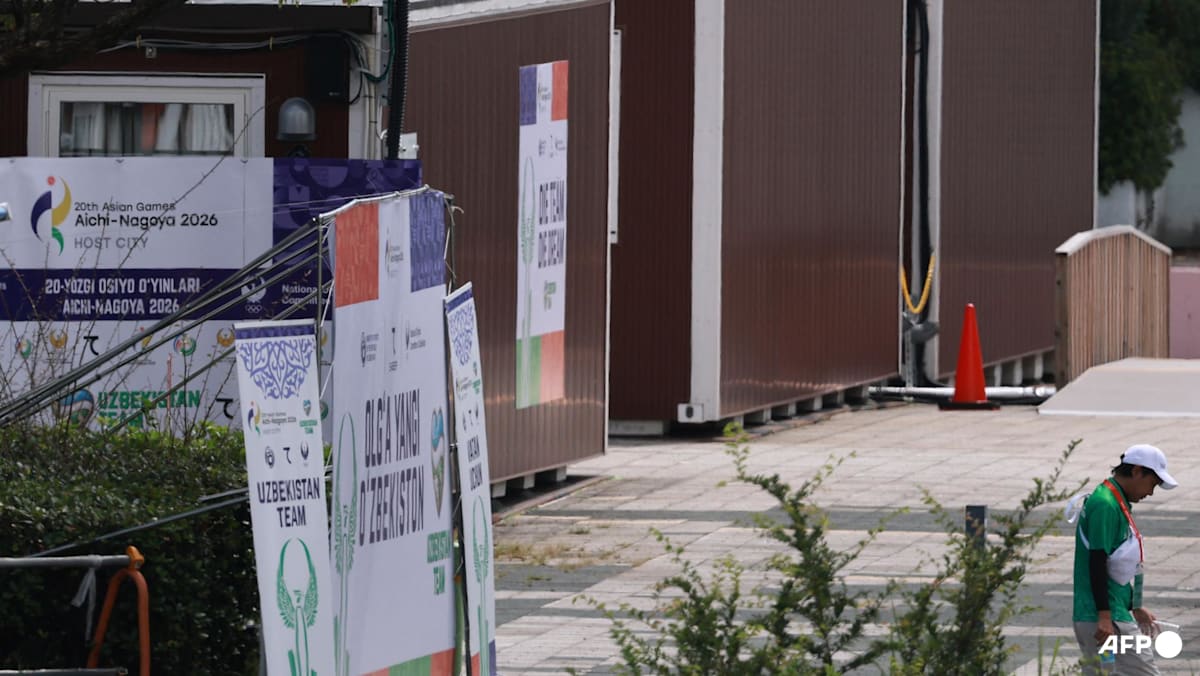
'Failing, chaotic': Teams slam Asian Games organisers - Sports - The Jakarta Post
The biggest issue at the Aichi-Nagoya Games has been a shortage of rooms for the 17,000 participants, while some athletes have complained of cramped accommodation.
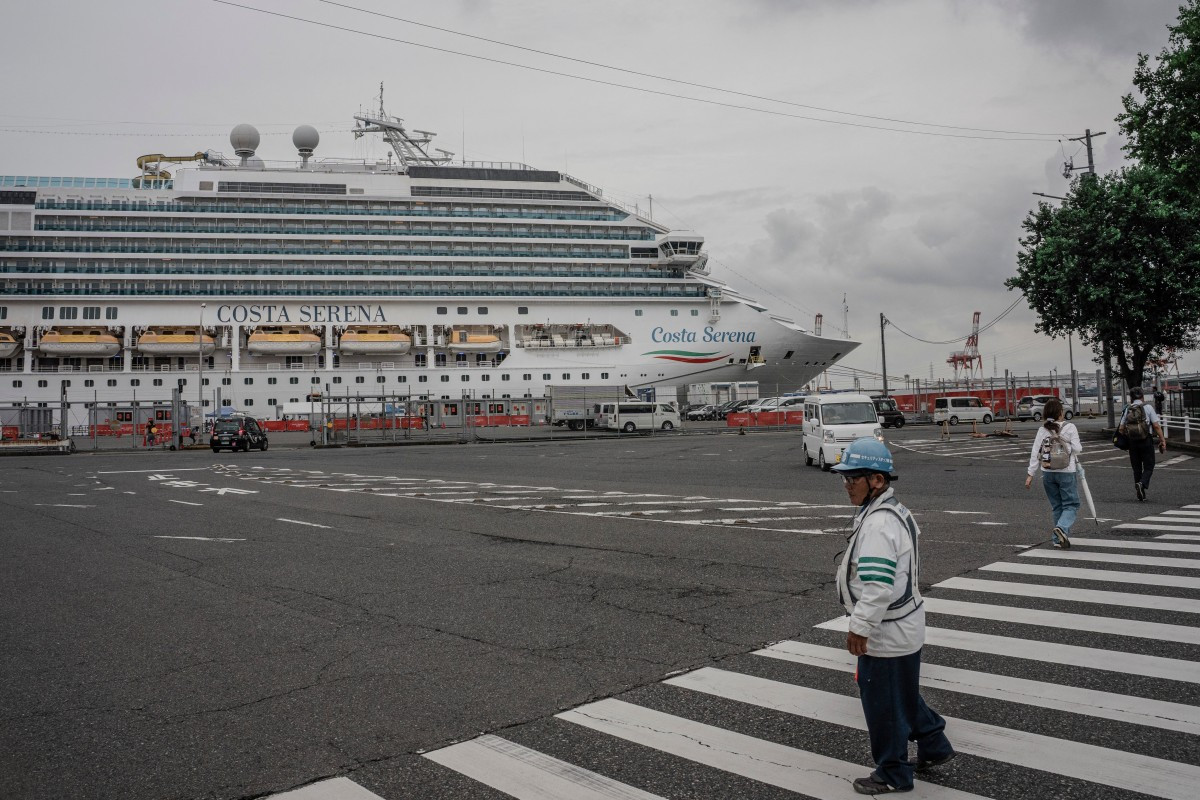
ASIAN GAMES/ Organizers fend off bed-size complaints in Nagoya | The Asahi Shimbun Asia & Japan Watch
NAGOYA--It was never going to be a bed of roses when container-style blocks were used to house athletes, but Aichi-Nagoya Asian Games organizers said using ottomans as extensions could have brought more comfort to taller competitors.
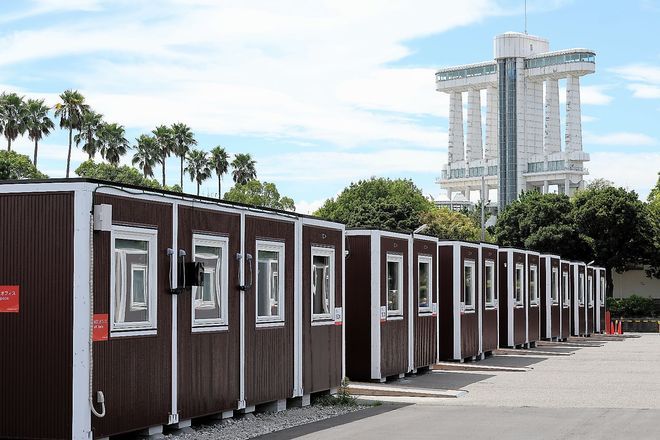
Japan Olympic chief says 'lot more' athletes at Games than expected
Japan's Olympic chief admitted Saturday that "a lot more" athletes and officials came to the Asian Games than the host nation had expected, leading...
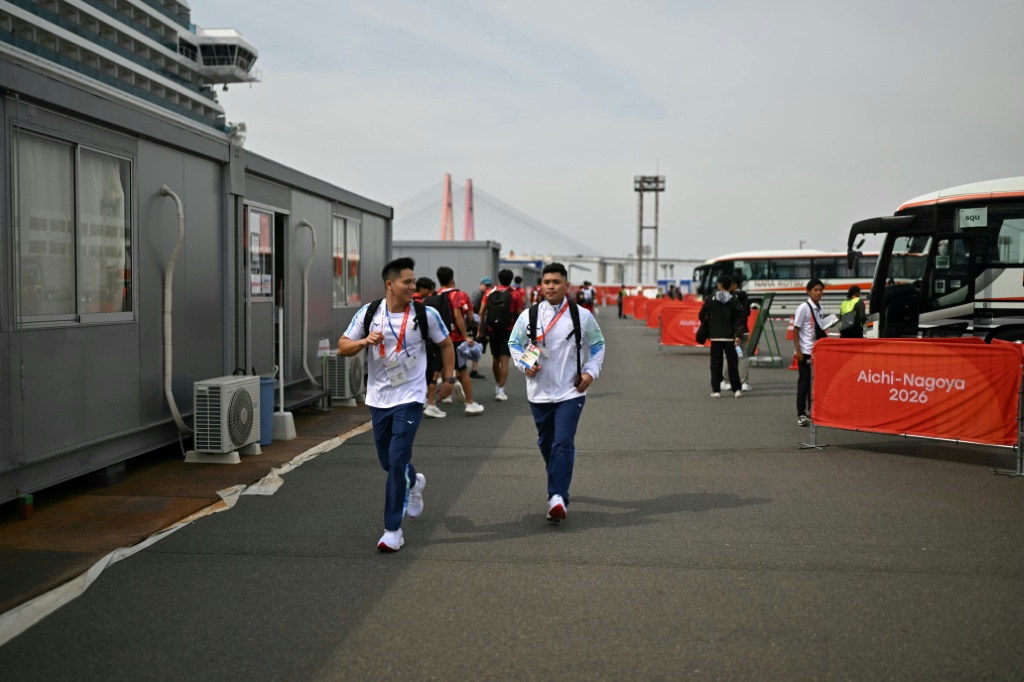
Asian Games organizers defend cramped accommodation | The Asahi Shimbun Asia & Japan Watch
NAGOYA―Local organizers of the Aichi-Nagoya Asian Games again defended the athletes’ accommodation on Thursday after local residents added their voices to concerns about the shipping-container style huts.
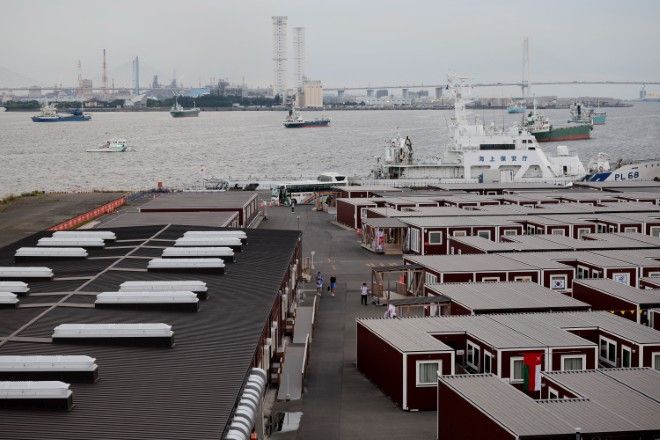
Officials raise concerns over accommodation shortages ahead of Aichi-Nagoya Asian Games - The Korea Times
NAGOYA — Complaints about a shortage of accommodations for the upcoming Aichi-Nagoya Asian Games have been growing just four days before the openin...
